Grout, the porous material between tiles, can darken with mold growth in humid areas like bathrooms and kitchens. Regular cleaning helps prevent staining and keeps tiles looking fresh. This guide explains practical methods, safe products, and best practices for removing mold from grout in American homes.
Quick Answer
Best overall approach: start with a grout brush and a mold-killing cleaner, then escalate to a steam cleaner or a drill-attached rotating brush for tough stains. For stubborn mold, a grout removal or cleaning-tool kit can be used, followed by sealing to prevent recurrence.
What You’ll Need
- Stiff bristle grout cleaning brush long handle
- Grout steam cleaner for mold removal
- Electric grout cleaner drill attachment rotating brush
- Grout cleaning tool kit scrubber scraper
- Grout removal tool set including grout saw and scraper


Before You Start
Ventilate the area and wear protective gloves and eye protection. Test cleaners on a small, inconspicuous grout section to prevent damage. For porous or crumbling grout, avoid overly harsh abrasives that could erode the grout. Plan a cleanup window of 30 minutes to 2 hours depending on mold extent, plus drying time. Critical cautions: never mix chlorine bleach with ammonia or vinegar, as dangerous fumes can form. If mold covers large areas or has penetrated underlying substrates, consider professional assessment.
Step-By-Step: How To Clean Mold From Grout
- Prepare the area by removing bath mats, toiletries, and any obstacles from the tile surface.
- Dry the grout with a towel to remove surface moisture, which helps improve cleaning effectiveness.
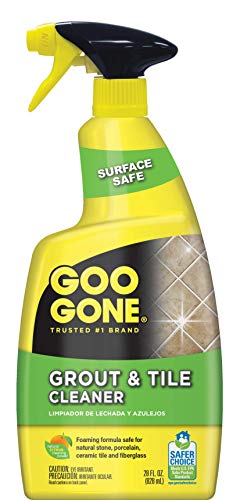
- Apply a mold-killing cleaner designed for grout, following the product directions for dwell time.
- Use the stiff bristle grout cleaning brush long handle to scrub along the grout lines in firm, vertical motions.
- Rinse with water and wipe away loosened mold residues; repeat scrubbing if needed.
- If stains persist, switch to a grout steam cleaner for mold removal to loosen grime with heat and moisture.
- For tough or embedded mold, attach the electric grout cleaner drill attachment rotating brush to a drill and gently scrub the grout.
- To tackle severe buildup, use the grout cleaning tool kit scrubber scraper to lift out discolored sections or crevices.
- After cleaning, rinse thoroughly and dry completely; consider applying a grout sealer to protect against future mold growth.
- Inspect for any damaged grout and, if needed, use the grout removal tool set including grout saw and scraper to remove and replace compromised sections.
- Re-seal cleaned grout after it’s fully dry to reduce porosity and future mold adhesion.
Troubleshooting
| Symptom | Likely Cause | Fix | Prevention |
|---|---|---|---|
| Grout stain remains after cleaning | Deep-set mold or sealant failure | Use grout steam cleaner and re-seal grout | Seal grout after cleaning; maintain humidity control |
| Gaps or crumbling grout | Old or damaged grout | Use grout removal tool set to replace | Inspect periodically and regrout as needed |
| Foul odor persists | Moisture trapped beneath tiles | Check for leaks; dry area thoroughly | Improve ventilation; run exhaust fan |
| Scrubbing abrasive wears grout | Overly aggressive scrubbing | Switch to softer brush; avoid metal tools | Use proper grout care and gentle pressure |
Common Mistakes
- Using harsh bleach without proper ventilation, risking fumes and tile damage
- Not drying the area after cleaning, allowing mold to reappear quickly
- Scrubbing too aggressively and eroding grout instead of cleaning it
- Choosing incompatible cleaners for their grout type or color
Tips For Best Results
- Work in small sections to prevent moisture from spreading to surrounding areas
- Let cleaners sit as directed to maximize mold kill without damaging grout
- Combine mechanical scrubbing with steam for stubborn mold and mildew
- Always dry thoroughly and apply grout sealer after cleaning and curing time
- Use a grout brush with a long handle to reach tight corners and corners behind fixtures
Call A Professional
Consider a professional if mold covers a large area (e.g., more than 10 percent of tiles), if there is visible water damage, or if mold returns frequently despite cleaning. Signs to stop DIY efforts include persistent musty odors, suspected hidden leaks, or discoloration spreading behind walls. A pro can assess moisture intrusion, provide remediation, and suggest long-term prevention strategies.
FAQ
What is the best tool to remove mold from grout?
Multiple tools work well; start with a stiff-bristle grout brush and progress to a grout steam cleaner or drill-attached rotating brush for tougher stains.
Can mold on grout be removed permanently?
Yes, with thorough cleaning and sealing, mold can be removed and growth reduced, though ongoing humidity control is important.
Is grout mold dangerous?
Mold can affect indoor air quality; avoid inhaling mold spores and use protective gear during cleaning.
How often should grout be sealed after cleaning?
Typically after complete drying, follow the sealer manufacturer’s guidance; reseal as needed based on traffic and cleaning frequency.
Buying Guide
When choosing tools to clean grout, consider size, ease of use, and performance. For many homeowners, a combination approach works best: a durable stiff bristle grout cleaning brush long handle for daily upkeep, a grout steam cleaner for mold removal for deep cleaning, and a electric grout cleaner drill attachment rotating brush for stubborn spots. If grout is damaged, a grout removal tool set including grout saw and scraper can help with replacement. Look for ergonomic handles, replaceable heads, and compatibility with bathroom layouts. Noise level and energy use matter for sustained cleaning sessions, as do water usage for steam devices. Place steam cleaners and tools in moisture-prone zones where cleaning is most needed, ensuring safe storage and away from children. Compare weight, battery life (for cordless tools), and availability of replacement brushes. A well-chosen kit minimizes effort while maximizing mold removal effectiveness and grout longevity. Do you prefer a chemical cleaner, a steam-based system, or a combined approach with mechanical scrubbing for consistent results?