Keeping a newborn clean is a daily routine that blends gentle care with practical steps. This guide provides a practical, step-by-step approach to bathing and cleaning a baby girl, emphasizing safety, hygiene, and comfort for both baby and caregiver. The methods below leverage common infant care tools to make bath time smooth and stress-free.
Quick Answer
Prepare the space, gather the right tools, and keep the bath brief. Use lukewarm water, support the head and neck, and dry gently with a soft towel. Clean the diaper-area and skin folds daily, and trim nails only after a bath when they’re softer.
What You’ll Need
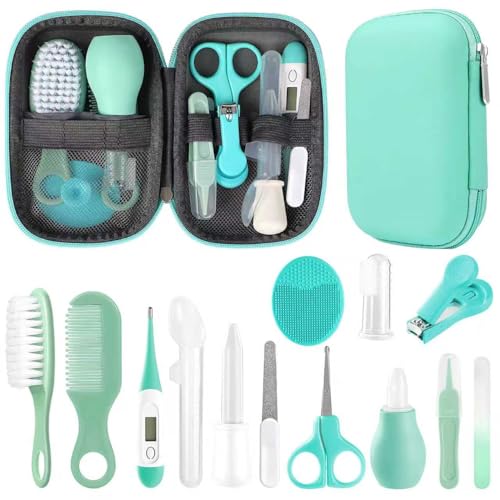
- Infant grooming kit brush and comb set with nail clippers
- Baby nail clippers with safety rounded tip
- Digital baby bath thermometer for bath safety
- Soft baby washcloths cotton terry set
- Baby bath sponge silicone non-slip grip


Before You Start
Before beginning, ensure the bath area is warm and free from drafts. Gather all supplies within arm’s reach to avoid leaving the baby unattended. Test the water temperature with the digital thermometer; it should read warm, not hot, to touch. Always support the baby’s head and neck with one arm while washing with the other. Keep a secure foothold and a calm, gentle touch to minimize crying or fussiness. Never leave the baby unattended in water, even for a moment.
Step-By-Step: How To Clean A Baby Girl
- Fill a shallow basin with a few inches of lukewarm water, testing with the digital baby bath thermometer for accuracy.
- Undress the baby and gently place her on a soft, secure surface or changing station with a non-slip mat.
- Begin with the face: use a damp, soft washcloth to wipe around the eyes and cheeks, avoiding soap near the eyes.
- Wash the scalp gently with a small amount of baby shampoo, then rinse or wipe away with a clean cloth. Use a soft brush from the grooming kit to comb through any loose hair before towel drying.
- Move to the body: use mild, tear-free soap and a washcloth to clean the neck, chest, and arms. Be mindful of skin folds and creases, especially in the neck and armpits.
- Clean the diaper area last: wipe from front to back with a gentle wipe or cloth. Use warm water and mild cleanser if needed, ensuring all skin folds are dry to prevent irritation.
- Rinse the baby with a clean, damp cloth if soap remains on the skin. Pat dry with a clean towel, paying special attention to the neck and arm folds.
- Trimming nails: use the infant grooming kit’s small clippers to trim nails after bath when the nails are softened. Smooth any rough edges with a small file or the clipper’s safety tip.
- Apply a light baby-safe moisturizer if skin is dry, focusing on dry areas like elbows and knees. Avoid heavy fragrances in sensitive areas.
- Return the baby to a warm, dry environment and dress in a clean onesie or outfit. Don’t forget a snug hat if the room is cooler.
- Clean up the area and store tools in a dedicated, dry place to reduce germ spread and ensure readiness for the next bath.
Troubleshooting
| Symptom | Likely Cause | Fix | Prevention |
|---|---|---|---|
| Baby cries excessively during bath | Temperature or sudden cold water exposure | Recheck water temp with thermometer; ensure the room is warm | Test water before starting; keep bath brief |
| Dry or irritated skin | Harsh soap or frequent cleansing | Switch to a mild, tear-free cleanser; limit baths to 2–3 times per week | Moisturize with a fragrance-free ointment after baths |
| Nail edges rough after bath | Nails not trimmed when softened | Trim nails after bath; use safety-rounded clippers | Keep a regular trimming schedule |
| Soap residue on skin | Inadequate rinsing | Rinse thoroughly with clean water | Use a gentle rinse cloth and avoid over-soaping |
Common Mistakes
- Using hot water or a water that feels warm rather than lukewarm
- Leaving the baby unattended near water, even briefly
- Overwashing the skin, which can strip natural oils
- Rushing through steps, especially around the diaper area
Tips For Best Results
- Establish a consistent bath routine to help baby feel secure during cleansing time
- Keep all tools organized in a dedicated caddy for quick access
- Use fragrance-free products to minimize skin irritation
- Pat dry rather than rub to protect delicate skin and prevent redness
- Ensure the room is warm and free of drafts to prevent discomfort
Call A Professional
Seek professional help if the baby shows persistent redness, unusual rash, or signs of irritation that do not improve with gentle care. If there is any concern about allergic reactions to products or if the baby has medical conditions affecting skin care, contact a pediatrician or a licensed pediatric dermatologist promptly.
FAQ
How often should I bathe a newborn baby girl?
Newborns do not need daily baths; 2–3 times per week is often sufficient, with gentle cleansing of the face, neck, hands, and diaper area daily.
What temperature is safe for a baby’s bath?
Water should be warm to touch, about 98–100°F (36–38°C), verified with a digital thermometer.
Which products are best for a baby’s skin?
Choose mild, tear-free cleansers and fragrance-free moisturizers designed for infants.
When can I trim my baby’s nails?
Post-bath nails are soft and easier to trim; use baby-safe clippers and smooth edges after trimming.
What should I do if soap gets in the baby’s eyes?
Rinse the face gently with clean water and avoid using soap near the eyes.
Is it necessary to use a bath sponge?
A silicone non-slip bath sponge can help with grip and gentle cleansing, especially for difficult-to-clean areas.
Buying Guide
When choosing bath time tools for a newborn, consider size, material, and safety features. For infants, a soft washcloth set is essential for gentle cleansing, while a silicone bath sponge with a non-slip grip aids control during handling. An infant grooming kit with a nail clipper and soft brush helps manage nails and hair without snagging delicate skin. A digital bath thermometer is a practical investment for consistent water temperature, reducing the risk of burns. Look for fragrance-free, hypoallergenic products and ensure all tools are easy to clean and store. Consider a compact kit that fits a small bathroom space, yet provides all necessary items for regular cleansing and nail care. Placement should be accessible but out of reach of curious little hands to prevent accidental tipping or pulling. Finally, verify that tools are BPA-free and designed specifically for infants to support ongoing safety and hygiene.