Driveways face a mix of oil leaks, rust, and general grime from vehicles, weather, and foot traffic. With the right approach and the proper cleaners, stains can be significantly reduced or eliminated without harming your concrete surface. This guide outlines practical steps using common cleaners and a few specialty products designed for concrete driveways in American homes.
Quick Answer
For oil and grease stains, start with a concrete cleaner degreaser and follow with an enzyme-based cleaner for stubborn spots. Use a rust stain remover for mineral stains, and finish with a concrete stain remover kit to brighten the area. Treat fresh spills promptly, scrub with a stiff brush, rinse thoroughly, and repeat as needed.
What You’ll Need
Having the right tools and products makes stain removal faster and safer for the concrete surface. Gather the following:
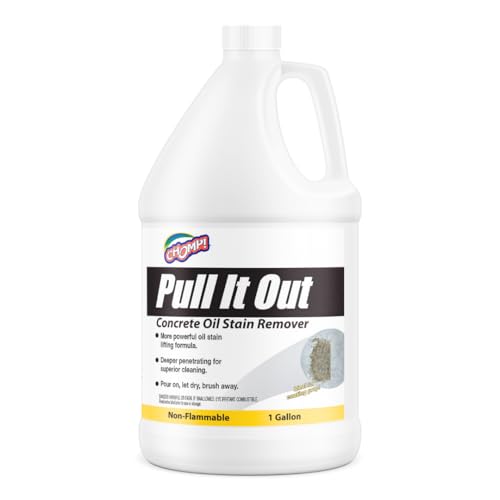
- Concrete driveway oil stain remover gel
- Driveway concrete cleaner degreaser for oil stains
- Enzyme-based concrete cleaner for driveway stains
- Rust stain remover for concrete driveway 32 oz
- Concrete driveway stain remover kit


Before You Start
Assess the stain type and surface condition before applying cleaners. Wear gloves and eye protection, and ensure ventilation if using liquid products. Move vehicles and obstacles away from the treatment area and cover nearby plants or grass to prevent chemical contact. Time estimates vary: light stains may require 15–30 minutes of soaking and scrubbing, while heavier stains could need multiple applications over several hours or a day. Never mix cleaners or use acidic products on sealed or painted concrete coatings.
Step-By-Step: How To Clean Driveway Stains
- Begin by sweeping away loose dirt and debris to expose the stain entirely.
- Apply the concrete driveway oil stain remover gel to fresh oil spots. Let it sit for 10–15 minutes to loosen oils from the concrete pores.
- Scrub the treated area with a stiff-bristle brush, applying additional gel as needed for deeper penetration.
- Rinse thoroughly with water and inspect the stain. If oil remains, repeat the gel treatment one more time.
- For persistent spots, use the driveway concrete cleaner degreaser for oil stains according to the product instructions. Allow it to dwell as directed before scrubbing again.
- Rinse completely and move to mineral or rust stains. Apply the rust stain remover for concrete driveway 32 oz to affected areas. Let it work for the recommended time, then rinse well.
- If rust-like coloration persists, switch to the enzyme-based concrete cleaner for driveway stains to target organic compounds. Scrub and rinse until the surface looks uniform.
- For overall surface brightening, apply the concrete driveway stain remover kit as a full-surface treatment following its included steps, then rinse.
- Allow the driveway to dry completely before use. Reassess the area; repeat steps if necessary for stubborn residuals.
- Seal or reseal the concrete after cleaning to provide ongoing protection against future staining and to improve ease of maintenance.
Troubleshooting
| Symptom | Likely Cause | Fix | Prevention |
|---|---|---|---|
| Oil stains reappear after cleaning | Deep oil saturation or porous surface | Repeat degreasing cycle; consider sealing the concrete | Address leaks promptly; use absorbent mats under vehicles |
| Rust coloring remains | Residual mineral deposits | Apply rust remover again; allow full dwell time | Prevent rust formation with periodic sealing and maintenance |
| Discoloration or bleaching | Harsh cleaners or overexposure | Rinse immediately; avoid overapplication | Test cleaners on a small area first |
| Surface feels slick after cleaning | Residue from cleaners | Rinse thoroughly; use a detergent wash if needed | Follow label directions exactly; use minimal cleaner |
Common Mistakes
- Using acidic cleaners on sealed or stamped concrete, which can etch the surface.
- Neglecting to remove all cleaner residues, leaving a slippery surface.
- Not testing cleaners on a hidden area before full application.
- Waiting too long to address fresh spills, causing deeper penetration.
Tips For Best Results
- Work from the outside of the stain toward the center to prevent spreading.
- For heavy oil, apply degreaser first, then oil stain remover gel for a two-step approach.
- Use hot water when rinsing to help break down oily residues (not boiling).
- Consider a penetrating sealer after cleaning to ease future maintenance.
- Label-specified dwell times are crucial; do not rush the chemistry.
Call A Professional
Call a professional if stains cover a large area, the concrete has structural damage, or if you are unsure about product compatibility with your surface. Seek help when mold, efflorescence, or deep-set rust remains after multiple cleaning attempts. Persistent weathering or weatherproofing concerns may require expert assessment.
FAQ
Can I clean a newly poured driveway the same day?
Yes, but wait for the surface to cure according to manufacturer guidelines before applying cleaners.
Are all cleaners safe for stamped concrete?
Not all are; check product labels for suitability and perform a test on a hidden area first.
How often should I seal my driveway after cleaning?
A typical schedule is every 1–3 years, depending on traffic and weather exposure.
What’s the best method for oil spills from cars?
Absorb with universal absorbent material, then treat with a dedicated degreaser and a stain remover gel.
Buying Guide
When choosing products to maintain a clean driveway, consider size and coverage, stain types, and surface compatibility. A diversified kit that includes an oil stain remover gel, a degreaser, and an enzyme-based cleaner is practical for mixed stains. For rust and mineral marks, a dedicated rust stain remover is helpful. Look for products labeled for concrete driveways and check for clear, step-by-step usage instructions. Consider a kit that combines cleaners for convenience and a rust-focused product for stubborn spots. Finally, assess how the product will fit your routine—whether you prefer single-step solutions or a targeted sequence of treatments.