304 stainless steel is a common choice for kitchen appliances, sinks, and fixtures due to its corrosion resistance and sleek finish. Proper cleaning preserves its shine and extends lifespan. This guide provides practical, step-by-step methods tailored to 304 stainless without damaging protective coatings or leaving streaks.
Quick Answer
For everyday cleaning, use a gentle, pH-balanced cleaner and a soft cloth or microfiber towel. For tougher spots, apply a dedicated stainless steel cleaner or polishing kit, then buff with a clean microfiber cloth. Avoid abrasive pads and chlorine-based cleaners on 304 surfaces.
What You’ll Need
- 304 stainless steel cleaner spray bottle
- Non-scratch stainless steel scrub brush 304
- Stainless steel polishing kit for 304 stainless
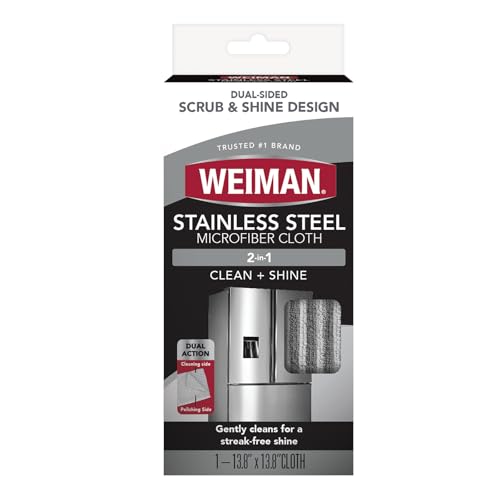
- Microfiber towel for stainless steel cleaning
- pH neutral stainless steel cleaner wipes


Before You Start
Prepare the area to catch drips and protect adjacent finishes. Work in a well-lit environment and wear gloves if you have sensitive skin. Always wipe along the grain of the metal to minimize streaks. Time estimate: 15–30 minutes for routine cleaning; up to 1 hour for heavy polishing.
Critical cautions: Do not use steel wool, abrasive cleaners, or chlorine-based products on 304 stainless. Avoid using acidic or caustic cleaners that can dull the finish. Test any new product on a small, inconspicuous area first.
Step-By-Step: How To Clean 304 Stainless Steel
- Remove loose debris from the surface with a dry microfiber cloth to prevent scratching.
- Apply a light mist of pH neutral stainless steel cleaner or a dedicated cleaner designed for 304 stainless onto a microfiber towel.
- Wipe in the direction of the grain to lift oils without creating scratches or blotches.
- For fingerprints or smudges, use a stainless steel polishing kit or a small amount of cleaner on a new cloth, again following the grain.
- For stubborn spots, lightly dampen the non-scratch stainless steel scrub brush 304 and work in small circular motions along the grain, not across it.
- Buff the surface with a dry microfiber towel until the shine is uniform and streak-free.
- If using wipes, rub with the grain in a single pass, then finish with a microfiber cloth.
- For sinks or faucets, rinse with warm water after cleaning to remove residue, then dry completely to prevent water spots.
- Repeat routine cleaning weekly and perform a polishing session every few months to maintain luster.
- Store cleaners and tools in a cool, dry place away from direct sunlight to preserve effectiveness.
- Inspect for dull patches or discoloration; address promptly to prevent buildup.
Troubleshooting
| Symptom | Likely Cause | Fix | Prevention |
|---|---|---|---|
| Streaks after cleaning | Residue or improper drying | Buff with a dry microfiber towel along the grain | Dry surfaces after cleaning; use high-quality microfiber |
| Water spots on finish | Hard water minerals | Rinse with distilled water and dry immediately | Dry surfaces after washing; consider a water softener |
| Fading or dull spots | Harsh cleaners or abrasive pads | Switch to pH-neutral cleaners and non-scratch brushes | Avoid abrasive tools; follow grain pattern |
| Stubborn fingerprints | Grease buildup | Apply cleaner, let sit briefly, then wipe with microfiber | Clean regularly to prevent buildup |
Common Mistakes
- Using abrasive pads or steel wool on 304 stainless
- Applying chlorine-based cleaners on aluminum- or stainless-coated surfaces
- Wiping against the grain, which can cause micro-scratches
- Allowing cleaners to sit too long and dry on the surface
Sticking to gentle, pH-balanced products and proper wiping technique minimizes these issues.
Tips For Best Results
- Test cleaners on a hidden area before full application.
- Buff in a single pass with a clean microfiber to avoid cross-contamination.
- Use a dedicated polish kit compatible with 304 stainless for a deeper shine.
- Keep a minimal number of tools to reduce chances of scratching during cleaning.
- For large appliances, work from top to bottom to catch drips efficiently.
Call A Professional
Consult a pro if there are significant pits, deep scratches, or corrosion that affects structural integrity or if the surface shows discoloration that cannot be remedied with standard cleaning.
Seek immediate professional help if rust appears or if cleaning attempts begin to dull the finish unevenly.
FAQ
Can I use vinegar to clean 304 stainless steel?
Vinegar can be used sparingly on stainless steel, but it is acidic and may dull certain finishes over time. Use a pH-neutral cleaner for routine care and reserve vinegar for specific tasks with caution.
Is a polishing kit essential for 304 stainless?
Not essential, but it helps restore uniform shine and remove fine micro-scratches after cleaning. It works well with a microfiber cloth for buffing.
How often should I polish 304 stainless steel?
For high-traffic areas, 2–4 times per year is a practical interval. Frequency depends on usage and exposure to fingerprints and grime.
What’s the best way to maintain a streak-free finish?
Clean with the grain, use a fresh microfiber cloth, and dry thoroughly. Avoid cleaners that leave residues and always buff to a high shine.
Can I use a regular household spray on stainless steel?
Yes, if the spray is labeled as safe for stainless steel and pH-balanced. Avoid products with abrasives or chlorine-based compounds.
Should I use heat when cleaning stainless steel?
Moderate warmth can help lift oils, but avoid hot cleaners as they may dry too quickly and leave streaks.
Are kitchen sinks cleaned the same way as appliances?
Yes, but ensure you rinse thoroughly around seams and fixtures to prevent residue buildup in corners and joints.
Buying Guide
When selecting products to clean and maintain 304 stainless steel, consider size and compatibility with your surfaces. Key factors include:
- Size and coverage: Choose spray bottles or wipes that fit your cleaning regimen, from small refills to larger bottles for appliances.
- Noise level of any powered cleaning tools or polishing kits, if applicable, to minimize disruption.
- Energy efficiency for any electronic or motorized cleaning aids, though most hand tools have minimal energy use.
- Controls on spray bottles and polishers should be intuitive and easy to operate with one hand.
- Placement: Store cleaners where you clean (kitchen or laundry room) to encourage regular upkeep.
For best results, pair a pH-neutral cleaner with a non-scratch brush and a microfiber towel. Compare stainless steel cleaner sprays, polishing kits, and wipes to find a balanced combination that suits your home’s style and maintenance routine. If unsure, start with a mild cleaner and a microfiber cloth before investing in a full polishing kit.