Keeping kitchen appliances clean extends their lifespan and keeps your meals tasting fresh. This guide covers practical methods for stainless steel surfaces, ovens, dishwashers, microwaves, and coffee makers using common cleaners and descalers.
Follow these steps to remove grime, mineral deposits, and odors without damaging finishes or components. Each section uses approachable, stepwise directions and products you can find online or at local retailers.
Quick Answer
For most appliances, start with routine wipes for daily grime, then move to targeted cleaners for mineral buildup. Use the right product for each surface: stainless steel cleaner for exterior, oven kit for racks and walls, dishwasher tablets for hard water deposits, microwave cleaner for interior steam, and descaling solutions for coffee makers. Always rinse and dry thoroughly after cleaning.
What You’ll Need
- Stainless steel appliance cleaner spray
- Oven cleaning kit with scrub brushes
- Dishwasher descaler and cleaner tablets
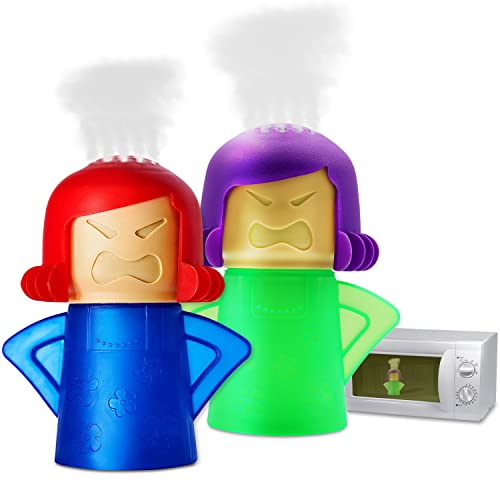
- Microwave interior cleaner spray with steam
- Coffee maker descaling solution kit
- Soft cloths or microfiber towels
- A non-abrasive sponge and plastic scraper


Before You Start
Inspect surfaces for coatings or warnings before cleaning. Test a small inconspicuous area first if unsure about a cleaner’s compatibility. Gather all required tools and unplug appliances when possible to avoid electric shock. Plan a cleaning session that allows drying time, typically 15–60 minutes depending on the product. Avoid harsh abrasives on stainless steel to prevent scratching.
Step-By-Step: How To Clean Kitchen Appliances Effectively
- Clear the area around each appliance and remove removable parts (oven racks, dishwasher racks, microwave turntable).
- For stainless steel exteriors, spray a light coating of stainless steel appliance cleaner and wipe with a microfiber cloth, following the grain of the metal.
- Apply the oven cleaning kit to the interior walls and racks as directed, using the included scrub brushes to loosen baked-on grime.
- Run a short, empty cycle with the dishwasher descaler and cleaner tablets to dissolve mineral deposits and freshen seals.
- Clean the microwave interior with the steam spray cleaner, then wipe away residue after the steam loosens grime.
- For coffee makers, use the descaling solution kit according to the instructions, then run several cycles with plain water to rinse all residues.
- Wipe down any exterior controls and door gaskets with a damp cloth. Dry completely to prevent moisture damage.
- Reassemble all removable parts and allow a final air dry before using the appliance again.
- Keep a regular cleaning schedule: wipe daily surfaces, descale monthly (or per manufacturer guidance), and deep-clean quarterly.
- Store cleaners out of reach of children and pets, and label spray bottles clearly to avoid cross-use on wrong surfaces.
Troubleshooting
| Symptom | Likely Cause | Fix | Prevention |
|---|---|---|---|
| Streaks on stainless steel | Residue from cleaner or water | Buff with a dry microfiber cloth; reapply sparingly | Wipe with grain; use minimal cleaner |
| Oven walls not fully clean after kit | Baked-on grime | Respray and re-scrub; repeat as needed | Clean sooner after spills |
| Dishwasher not drying | Residual soap or mineral buildup | Run a dedicated cleaner and rinse cycle | Use proper tablets and avoid overloading |
| Microwave smell persists | Food oils trapped inside | Clean with steam cleaner and wipe with fresh cloth | Cover foods and clean weekly |
| Coffee maker tastes metallic | Residues from descaler | Run 2–3 cycles with clean water | Rinse thoroughly after descaling |
Common Mistakes
- Using abrasive pads on stainless steel surfaces
- Overusing cleaner near electronic controls
- Not rinsing thoroughly after descaling or cleaning
- Cleaning while appliances are still hot
- Ignoring manufacturer instructions for cleaners
Tips For Best Results
- Always follow product instructions for contact time and dilution.
- Test cleaners on a hidden area before broad use.
- Use microfiber cloths to minimize scratches and lint.
- Schedule routine maintenance to prevent buildup and odors.
- Label and store all cleaning products safely away from food areas.
Call A Professional
If appliances display persistent problems such as unusual noises, heating issues, water leaks, or electrical odors after cleaning, contact a certified technician. Do not attempt internal disassembly or DIY repairs when units show warning signs or fail to operate safely.
FAQ
How often should I descale a coffee maker?
Typically every 1–3 months, depending on usage and water hardness.
Can I use the same cleaner for multiple appliances?
Some cleaners are multi-surface, but always verify compatibility with each appliance’s materials and controls.
Is it safe to use steam on a microwave interior?
Yes, many microwave cleaners rely on steam; follow the product directions carefully.
What about odor removal after cleaning?
Run an extra rinse cycle or a short post-cleaning cycle with plain water to minimize smells.
Buying Guide
When choosing cleaning products for kitchen appliances, consider size and storage space, how often you clean, and the materials of your appliances. Look for packages that clearly state compatibility with stainless steel, glass, plastic, and internal surfaces. Evaluate noise level and ease of use—spray bottles, streams, and brushes should feel comfortable. Compare energy and chemical efficiency, favoring multi-surface formulas with minimal environmental impact. Placement matters: store cleaners away from food zones and heat sources, and keep them in a dedicated cabinet or caddy for quick access. Reading product reviews helps gauge real-world performance across dishwashers, ovens, microwaves, and coffee makers.