Throw pillows refresh a living space, but spills and daily use often leave unsightly stains. This guide provides a practical, step-by-step method to spot clean pillow covers and inserts without professional equipment. It focuses on common fabrics and safe, effective cleaners that are readily available in many American households.
Quick Answer
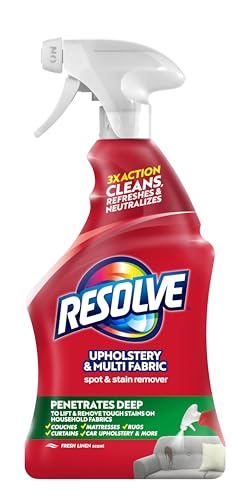
For most throw pillows, start with a gentle blot to absorb moisture, then treat with a fabric stain remover spray for upholstery or a stain removing pen for fabric. Use a microfiber cleaning cloth for high-emphasis spots and a soft-bristle upholstery cleaning brush for delicate fibers. If the stain persists, lightly steam with a portable fabric steamer for cushions and repeat as needed.
What You’ll Need
- Fabric stain remover spray for upholstery
- Stain removing pen for fabric
- Microfiber cleaning cloth for upholstery pillows
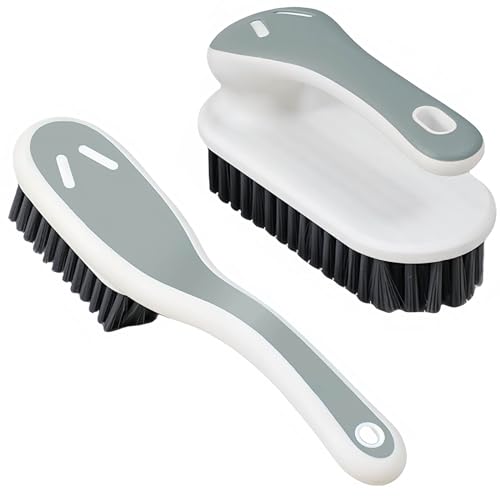
- Upholstery cleaning brush soft bristle
- Portable fabric steamer for cushions

Before You Start
Identify the fabric type of your pillow cover (cotton, polyester, linen, or blends) and test cleaners on a hidden corner first. Read care labels; many pillow covers are machine washable, but inserts may require spot care. Work on a clean, flat surface and blot rather than rub to avoid fiber damage. Always air dry completely before reuse to prevent mildew and odors. Time estimate: 15–45 minutes per stain, including drying time.
Step-By-Step: How To Spot Clean Throw Pillows
- Assess the stain: Check colorfastness and type (oil-based vs. water-based) to choose the right treatment.
- Blot the area: Use a clean microfiber cloth to blot (do not rub) to lift as much moisture as possible.
- Apply cleaner in moderation: Mist a small amount of fabric stain remover spray for upholstery or apply a stain removing pen for fabric directly to the stain. Follow product directions.
- Gentle agitation: Using the soft bristle upholstery cleaning brush, gently work the cleaner into the fabric in circular motions.
- Blot again to remove residue: Use the microfiber cloth to lift the loosened stain and cleaner from the surface.
- Rinse only if the product requires it: If the cleaner label indicates rinsing, lightly dab with a damp cloth to remove residue, then blot dry.
- Dry properly: Allow the pillow cover to air dry completely before reinserting or fluffing the pillow to its original shape.
- Repeat as needed: For stubborn stains, reapply cleaner and repeat the process, avoiding over-wetting the fabric.
- Optional steam refresh: Lightly use a portable fabric steamer for cushions to relax fibers and remove any remaining moisture or odors, keeping the steamer a few inches away from the fabric.
- Reassemble and inspect: Once dry, inspect for any remaining stain and treat again if necessary.
- Preventative care: Consider a fabric protector spray after cleaning to help future spots bead and lift more easily.
Troubleshooting
| Symptom | Likely Cause | Fix | Prevention |
|---|---|---|---|
| Stain remains after first pass | Stain set or absorbed deeply | Reapply cleaner and re-clean with gentle agitation; consider blotting with a damp cloth to dilute | Treat stains promptly; blot spills immediately |
| Fabric discoloration after cleaning | Bleach or incorrect cleaner used | Stop using that product; test next time on hidden area | Always test on an inconspicuous corner first |
| Cover feels stiff after cleaning | Over-wetting or heavy cleaner residue | Blot with damp cloth to remove residue; air dry completely | Use minimal amounts of cleaner |
| Color bleeding with water-based cleaner | Colorfastness issue | Cease cleaning in that area; consult professional if needed | Spot test first; avoid excessive moisture |
Common Mistakes
- Using hot water on protein-based stains, which can set them further
- Rubbing aggressively, which damages fabric fibers
- Using household bleach on colored fabrics
- Allowing the insert to get too wet, leading to mildew
- Skipping a test patch on a hidden area
Being mindful of fabric type and following cleaner directions helps minimize mistakes and preserves pillow aesthetics over time.
Tips For Best Results
- Blot, don’t rub: Gentle pressure lifts moisture without pushing stain deeper.
- Work from the outside in: Target the stained area without spreading it wider.
- Use a dedicated cloth for each step: A clean microfiber cloth reduces re-depositing dirt.
- Keep cleaners labeled and stored safely away from children and pets.
- Regular maintenance: Light spot cleanups after spills prevent heavy staining later.
Call A Professional
Consider professional cleaning if the pillow shows delicate materials (silk blends, velvet with nap) or if stains persist despite repeated spot cleaning. Stop and seek help if a stain covers a large area, if color loss occurs, or if the fabric label advises professional care.
FAQ
Is spot cleaning safe for all pillow fabrics?
Most common fabrics respond well to spot cleaning when care labels are followed; always test a hidden area first.
Can I machine-wash pillow covers?
Yes for many fabric types, but check the label and remove inserts before washing.
What should I do for oil-based stains?
Use a stain remover designed for upholstery and avoid water-first treatments that can spread oil.
How can I prevent future stains on cushions?
Apply a fabric protector after cleaning and address spills immediately with blotting.
Buying Guide
When choosing products for spot cleaning throw pillows, consider size, compatibility with fabric types, and ease of use. The right tools will streamline stain removal and protect pillow integrity.
Key buying factors
- <bFabric type compatibility: Ensure cleaners list upholstery fabrics compatible with common pillow materials (cotton, polyester blends, microfiber).
- <bStain remover variety: Have both a spray for upholstery and a pen for fabric to tackle different stain types.
- <bCleaning cloths: Microfiber cloths are effective at lifting dirt without abrasion.
- <bBrush and agitation tools: Soft-bristle brushes prevent fiber damage while helping cleaners penetrate stains.
- <bSteam option: A portable fabric steamer offers a gentle refresh and helps with lingering moisture after cleaning.
Place And Use Considerations
For best results, perform cleaning in a well-lit area with a flat surface. Keep all supplies within reach and lay down a protective barrier to catch spills. If a stain is near seams or zippers, extra care prevents fabric tears or hardware damage. Always air dry completely before using the pillow again.