Ants entering a mailbox can be a nuisance, especially when sentinels stash crumbs or trail pheromones that invite more visitors. A careful, multi-step approach that targets the entry points and the surrounding area can stop infestations without damaging the mailbox or the contents. The goal is to disrupt access and remove attractants while using safe, outdoors-appropriate products.
The following guide walks through practical methods and proven products designed for outdoor use. It blends integrated pest management principles with simple maintenance tasks you can perform seasonally to keep ants out of the mailbox and away from your home.
Quick Answer
Block the entry points by sealing gaps and applying a preventive barrier around the mailbox. Target the ants with outdoor-grade products like bait stations, non-jet sprays, and diatomaceous earth. Regularly inspect the mailbox and surrounding post for new trails and reapply as needed. If ants persist, consider a combination approach that includes sealant and repellent powders used outdoors.
What You’ll Need
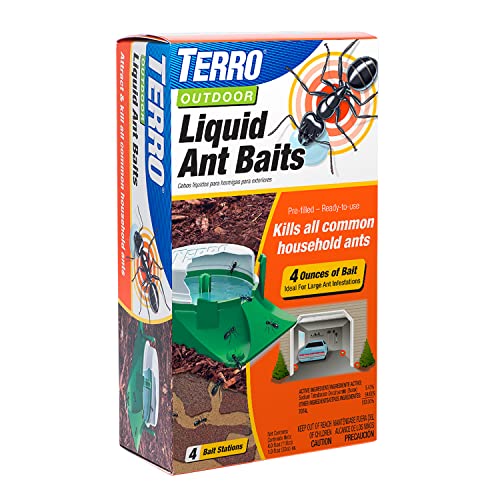
- Outdoor ant bait stations
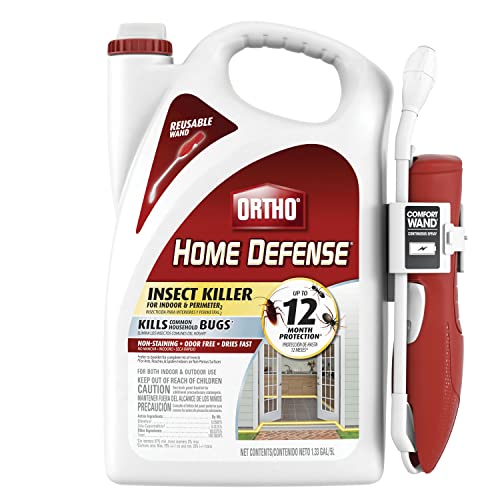
- Ant killer spray outdoor
- Diatomaceous earth for ants outdoor
- Ant repellent powder outdoor
- Weatherproof mailbox sealant
- Protective gloves
- Clean cloths or brushes for area cleaning
- Small flashlight for inspecting nooks

Before You Start
Before treating, remove any mail slowly and ensure the mailbox is dry. Clear debris from the mailbox slot and the area around the post to reduce sheltering sites. Test products on a small, inconspicuous area of the mailbox to check for any material reaction. Plan for a combined approach: seal gaps, place bait, and apply a preventive powder around the base of the mailbox. Time estimates: 30–60 minutes for initial setup, with follow-up checks weekly for 4–6 weeks.
Step-By-Step: How To Get Rid Of Ants In Mailbox
- Inspect the mailbox exterior and post for cracks, crevices, and gaps. Mark openings with painter’s tape so treatments don’t spread into the mail slot.
- Apply weatherproof mailbox sealant to exterior seams and around the post where ants could enter. Allow proper curing time as directed by the product.
- Set out outdoor ant bait stations along the expected ant trails near the mailbox. Place them at a distance from the mail slot but within easy reach of foraging ants.
- Spray a light coating of ant killer spray outdoor on the exterior surfaces near entry points, avoiding the mail slot interior. Focus on the underside of the mailbox and the post base.
- Dust or sprinkle ant repellent powder outdoor along the base and around the ground contact areas. Reapply after rain or heavy dew to maintain a preventive barrier.
- Sprinkle diatomaceous earth for ants outdoor around the mailbox base and along any visible ant trails. Reapply after watering or windy conditions to keep the barrier intact.
- Monitor the area for new trails. If ants persist, rotate products to avoid resistance and re-check the bait stations weekly.
- Keep the mailbox area clean by wiping away crumbs or food residues in and around the slot. Regular maintenance reduces attractants for foraging ants.
- If mail volume or the problem worsens, consider temporarily relocating the mail slot or consulting the postal service for guidance on preventing pests from entering by accident.
- Document results after 4–6 weeks. If ants recur, escalate with a professional pest service that specializes in exterior barriers and mail-related entries.
Troubleshooting
| Symptom | Likely Cause | Fix | Prevention |
|---|---|---|---|
| Ants return after treatment | Incomplete barriers or new trails | Reapply sealant and recheck for hidden entry points | Daily outdoor cleanliness and routine checks |
| Ants bypass bait stations | Foraging ants ignore stations | Move stations closer to trails or switch bait style | Keep trails clear and maintain bait freshness |
| Moisture around mailbox | Poor drainage or irrigation near post | Improve drainage, adjust irrigation if needed | Redirect water away from the mailbox area |
| Weather reduces effectiveness | Rain washes away powders and residues | Reapply after rain; use weatherproof products | Apply during dry weather windows |
Common Mistakes
- Using indoor products outside — outdoor formulations are required for mailbox use
- Over-sealing without addressing existing trails — ants will find new routes
- Applying products directly into the mail slot — this can damage mail flow and attract moisture
- Ignoring seasonal patterns — ants may be more active at certain times
- Relying on a single method — combining barriers, bait, and deterrents yields better results
Tips For Best Results
- Establish a year-round maintenance routine to keep trails inactive and to catch early signs of intrusion.
- Choose a variety of products (bait stations, spray, powder) to target different life stages of ants.
- Place bait stations where children or pets cannot reach, but ants can. Safety first in any outdoor area.
- Keep the mailbox area dry and sunlit; many ants prefer damp, shaded spots.
- Document trail locations with notes or photos to track changes and adjust strategies.
When To Call A Professional
Consider a pro if ants persist after several weeks of integrated treatments, or if the problem expands beyond the mailbox to the porch, siding, or interior walls. Stop signs include visible large colonies, nests directly beneath the mailbox post, or damage to the mailbox structure. A licensed pest control professional can tailor barriers that comply with local regulations and ensure safe application around outdoor electrical fixtures or mail delivery systems.
FAQ
Can I use any ant killer spray around my mailbox?
Only outdoor-specific sprays labeled for exterior use near mailboxes and posts should be used. Avoid penetrating the mail slot and follow label directions.
Will diatomaceous earth harm birds or pets?
When used as directed in outdoor areas, diatomaceous earth poses minimal risk to wildlife; still, avoid inhalation and keep pets away during application.
How long does it take to see results?
Results vary, but many homeowners notice reduced trails within 1–3 weeks with consistent treatment.
Should I seal the mailbox before addressing ants?
Yes. Sealing gaps is a foundation step that reduces entry points and makes subsequent treatments more effective.
Is it okay to spray before mail delivery times?
Plan treatments during periods of low mailbox usage to avoid disruption and ensure safety for postal workers.
Buying Guide
When selecting products to prevent or treat ants in a mailbox area, consider size, placement, and durability. For outdoor use, look for weather-resistant formulations that won’t wash away in rain. Consider ant bait stations for ongoing colony management and a ant killer spray outdoor for spot treatments near entry points. Diatomaceous earth for ants outdoor provides a long-lasting barrier if kept dry. A weatherproof mailbox sealant helps block entry points while preserving mailbox integrity. Evaluate the area’s layout—slightly elevated mailboxes with exposed posts benefit most from a combination of barriers, bait, and repellent powders. Also, check product certifications and user reviews for outdoor compatibility and safety in residential settings.