Squishmallows are beloved for their soft textures and bright colors. Over time, spills, fingerprints, and dirt can help them show wear. This guide explains simple, safe steps to spot clean Squishmallows using common household tools and targeted stain products. The aim is to restore fluff and color without damaging the fabric or stuffing.
Quick Answer
To spot clean a Squishmallow: blot a damp area, apply a mild stain remover suited for plush fabrics, gently scrub with a soft brush, wipe away residue with a microfiber cloth, and air dry completely. For delicate stains, use a stain remover pen or pre-treatment spray designed for fabric stuffed toys.
What You’ll Need
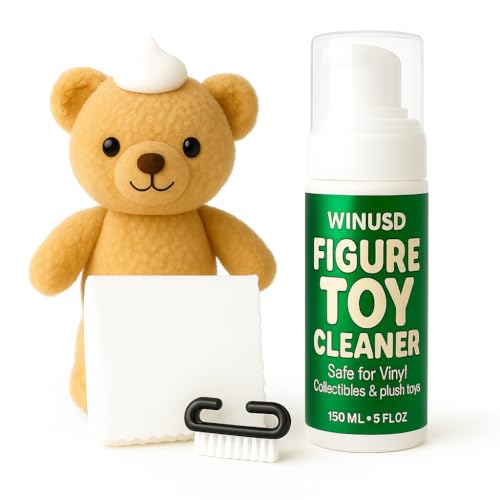
- Fabric stain remover spray for plush toys
- Gentle spot cleaning brush for stuffed animals
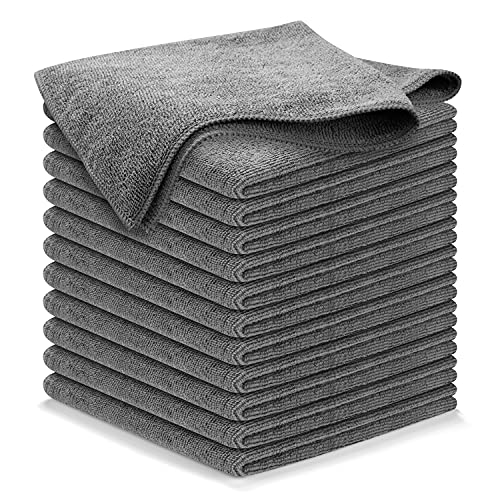
- Microfiber cleaning cloth for plush fabrics
- Stain remover pen for delicate fabrics
- Pre-treatment stain spray for fabric stuffed toys
- Clean, dry towel for blotting

Before You Start
Check the label on the Squishmallow for any washing instructions from the manufacturer. Always test cleaning products on a small, inconspicuous area first to avoid color fading or fiber damage. Work in a well-ventilated area and use lukewarm water—not hot—to minimize fiber stress. Avoid harsh chemicals and soaking the toy completely, which can affect the stuffing.
Time estimate: 15–30 minutes for a typical spot clean, plus additional drying time. If stains are large or have set in, plan for multiple passes or professional cleaning.
Step-By-Step: How To Spot Clean Squishmallows
- Identify the stain area and gently blot with a clean towel to remove surface liquid.
- Moisten a microfiber cleaning cloth with lukewarm water and dab the stained spot, avoiding oversaturation.
- Apply a small amount of fabric stain remover spray for plush toys to the affected area, following the product’s instructions.
- Use a gentle spot cleaning brush for stuffed animals to work the cleaner into the fabric with light circular motions.
- Wipe away the cleaner with a clean, damp microfiber cloth, ensuring all residue is removed.
- If the stain persists, apply a stain remover pen for delicate fabrics directly to the stain and lightly rub with the brush.
- Rinse the area by blotting with a damp cloth until no cleaning residue remains.
- Blot dry with a dry towel and reshape the Squishmallow’s form.
- Let the toy air dry completely in a well-ventilated area away from direct heat or sunlight.
- Once dry, fluff the fabric gently by hand to restore the plush texture.
- Inspect for any remaining stain and repeat with a targeted approach if necessary.
- Consider a light brushing with a clean brush to restore pile height after drying.
Troubleshooting
| Symptom | Likely Cause | Fix | Prevention |
|---|---|---|---|
| Stain reappears after drying | Stain wasn’t fully removed; fibers trapped color | Re-treat with stain remover pen and blot gently | Test spot first; avoid over-wetting |
| Color fade after cleaning | Harsh cleaner or heat exposure | Use gentle products; air dry away from sun | Always perform a small test |
| Fabric feels stiff | Residue from cleaner | Rinse thoroughly with damp cloth | Use minimal cleaner on the area |
| Stains near seams | Twine or stitching fibers trap dirt | Spot clean only the affected seam area | Clean regularly to prevent buildup |
Common Mistakes To Avoid
- Over-wetting the plush toy, which can affect stuffing and shape.
- Using household solvents or bleach on colored plush fabrics.
- Rubbing hard, which can fray the fabric or loosen stitching.
- Skipping a test patch that could reveal color bleeding.
Sticking to gentle products designed for plush toys minimizes damage and preserves squishiness over time.
Tips For Best Results
- Always start with the mildest approach: dampen only the stained area, not the entire toy.
- Choose products labeled for plush toys or delicate fabrics to protect color and texture.
- For stubborn stains, repeat the treatment in a targeted manner rather than soaking the entire surface.
- Dry the toy completely before handling or play to prevent mold or odor development.
- Occasionally fluff the fabric with your fingers or a soft brush to keep the plush pile looking fresh.
Call A Professional
Seek professional cleaning if the squishiness is compromised, if the toy contains safety eyes or glued-on parts, or if there is persistent staining that does not respond to standard spot-clean methods. Stop cleaning and contact a professional if the toy shows any tearing, loose seams, or unusual odor after cleaning attempts.
FAQ
Can I wash Squishmallows in a washing machine?
Machine washing can damage the fabric and stuffing. Spot cleaning is recommended for most stains, followed by air drying.
What if the stain is oil-based?
Oil-based stains respond to stain remover spray for plush toys or a pre-treatment stain spray, then gentle brushing and blotting to remove residues.
Is it safe to use a stain remover pen on Squishmallows?
Yes, when used as directed on delicate fabrics, stain remover pens can target small stains without saturating the toy.
How long does drying take?
Drying can take several hours depending on air flow and room temperature; ensure the toy is completely dry before use.
Should I brush the plush after cleaning?
Light brushing helps restore pile height and softness once the toy is dry.
What if the stain returns after washing?
Re-apply a targeted stain remover to the affected area and allow ample drying time between attempts.
Buying Guide
The buying guide focuses on factors that affect spot cleaning results and long-term care for plush toys like Squishmallows. Key considerations include size, noise level, energy efficiency, controls, and placement.
Size And Weight
Consider the toy’s size and how easy it is to maneuver during cleaning. Larger Squishmallows may require more surface contact time but are easier to hold steady during spot cleaning.
Cleaning Tools And Compatibility
Choose tools designed for plush fabrics: a gentle spot cleaning brush, microfiber cloths, and products formulated for plush toys. Ensure compatibility with delicate fabrics to prevent fading or fraying.
Stain-Remover Choices
Prefer products labeled for plush toys or delicate fabrics. A fabric stain remover spray for plush toys, pre-treatment stain spray for fabric stuffed toys, and a stain remover pen for delicate fabrics provide a versatile cleaning toolkit.
Drying Process
Air drying is essential to preserve squishiness. Avoid direct heat or sunlight which can shrink or fade colors. Plan for several hours of drying time in a well-ventilated area.
Placement And Environment
Store and dry Squishmallows away from damp areas to prevent mold. A well-ventilated closet or drying rack near a fan helps speed up the process without heat damage.
Performance And Longevity
Choose products that minimize fiber wear and preserve plush texture for repeated cleanings. Regular maintenance with gentle products helps maintain the toy’s softness and color over time.