Water spots can mar surfaces ranging from glass and stainless steel to countertops and chrome fixtures. With the right approach and safe cleaners, you can restore clarity and shine without damaging the material. This guide focuses on practical, kitchen- and bathroom-friendly methods suited for American households.
Quick Answer
Identify the surface (glass, stainless steel, granite/quartz, chrome) and use the corresponding remover design for mineral deposits. Apply, dwell briefly, and wipe with a clean microfiber cloth to prevent new spots from forming.
What You’ll Need
- Glass water spot remover spray mineral deposits 16 oz
- Stainless steel hard water stain remover 12 oz spray
- Bathroom calcium lime remover granite quartz countertop 24 oz
- Car windshield water spot remover spray detailer
- Calcium rust remover for chrome faucet bathroom fixtures 24 oz


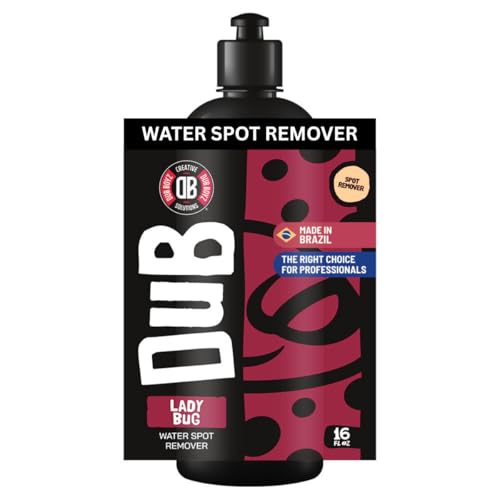
Before You Start
Clear the area and ventilate if using chemical sprays. Test a small, inconspicuous area first to ensure no surface damage or dulling. Wear gloves to protect skin from acidic cleaners. Plan for a 15–30 minute window per surface for most common spots, longer for stubborn mineral buildup. Do not mix cleaners as this can create hazardous fumes or reactions.
Step-By-Step: How To Remove Water Spots
- Choose the appropriate cleaner for the surface—glass, stainless steel, granite/quartz, chrome, or bathroom fixtures.
- Apply a light, even coating to the affected area using the spray bottle designed for that surface.
- Allow the cleaner to dwell for 60–180 seconds to dissolve mineral deposits.
- Gently rub with a clean microfiber cloth in a circular or back-and-forth motion until the spot loosens.
- Rinse the area with clean water or wipe away residue with a damp cloth.
- Dry completely with a dry microfiber towel to prevent new water spots from forming.
- For persistent spots, reapply and repeat until clarity returns, avoiding abrasive pads that scratch surfaces.
- For glass, buff with a dry, lint-free cloth to restore a streak-free finish.
- For stainless steel and chrome, finish with a light pass of a non-abrasive polish or microfiber buff.
- Inspect the surface from different angles to confirm the spots are gone and the area is evenly polished.
- Dispose of used cloths properly and wash hands after handling cleaners.
- Store products away from children and pets after use and label any remaining bottles clearly.
Troubleshooting
| Symptom | Likely Cause | Fix | Prevention |
|---|---|---|---|
| Streaks on glass | Not dried properly | Wipe with a dry microfiber to finish | Use a clean cloth and avoid aerosol overspray |
| Scratches on chrome | Abrasive cleaners or pads | Switch to non-abrasive cleaners; use soft cloth | Test in a hidden area first |
| Persistent mineral ring on countertop | Hard mineral buildup | Apply bathroom calcium lime remover and dwell longer | Wipe dry after use to slow redeposit |
| Fading on stainless steel | Over-application or incorrect product | Use only recommended amount and wipe clean | Follow product directions precisely |
Common Mistakes
- Using abrasive pads on glass or polished surfaces
- Mixing cleaners that release fumes or create unsafe reactions
- Over-wetting surfaces and leaving them to air-dry in place
- Neglecting to dry surfaces thoroughly after treatment
- Not testing cleaners on hidden areas first
Tips For Best Results
- Work from top to bottom on vertical surfaces to prevent drips and re-staining.
- Keep a dedicated microfiber cloth for each surface type to avoid cross-contamination.
- Warm water can help cleaners dissolve minerals more effectively, but avoid heat on sensitive materials.
- Prime stubborn spots with a brief dwell time and reapply if needed.
- Regular maintenance reduces buildup and makes future cleanings quicker.
Call A Professional
Seek professional help if there is extensive damage, staining that doesn’t respond to standard cleaners, or surfaces with delicate finishes like certain matte coatings. Stop use and consult an expert if the cleaner causes discoloration, etching, or corrosion on metal, stone, or glass.
FAQ
What causes water spots to form on glass surfaces?
Mineral-rich water leaves deposits as it dries, creating visible spots that cling to glass.
Can I use the same cleaner on all surfaces?
No. Different materials require specific formulas to avoid damage or dulling.
How long should I let cleaners sit before wiping?
The dwell time varies by product; 60–180 seconds is typical for mineral deposits.
Is it safe to use on granite countertops?
Yes, but use a cleaner labeled for granite or quartz surfaces and follow the manufacturer’s instructions.
What should I do after cleaning chrome fixtures?
Dry and optionally apply a light chrome-safe polish to protect brillo and prevent new spots.
How can I prevent new water spots?
Wipe surfaces dry after contact with water, and regularly maintain surfaces with appropriate cleaners.
Are DIY vinegar solutions okay for cleaning mineral deposits?
Vinegar can be effective on some surfaces but may etch natural stone or corrode metal; use surface-appropriate products instead.
Buying Guide
Choosing the right water-spot remover depends on the surface and the severity of mineral buildup. Consider these factors to pick the best option for a household routine:
- Surface type: Glass, stainless steel, chrome, granite, quartz, or bathroom fixtures each responds to different formulations.
- Form: Sprays are convenient for quick spot treatment; gels can cling to vertical surfaces; liquids work on broad areas.
- Concentration and dwell time: Higher-strength formulas may require shorter dwell times but handle tougher buildup.
- Safety and compatibility: Look for products labeled for your material; avoid corrosive agents on delicate finishes.
- Ease of use: Pre-mixed sprays with clear instructions save time and reduce risk of damage.
- Maintenance frequency: A routine cleaner can prevent heavy buildup; reserve stronger options for occasional deep cleaning.
- Placement and storage: Store cleaners in a cool, dry area away from children and pets; keep sprays upright for best spray pattern.
- Noise and environmental impact: Most home-use sprays are low-noise; consider water-based formulas if concerned about fumes.
Would you like a quick comparison of the listed products based on surface compatibility and typical use cases? If so, I can tailor a short checklist to help decide which bottle to grab first for your specific project.