Spot cleaning fabric upholstery can restore a chair, sofa, or car seat without a full deep clean. With the right tools and a careful approach, most common stains can be lifted without damaging the fabric’s texture or color. This guide covers practical methods and products available to American households, from household sprays to gentle brushes and cloths.
Quick Answer
Spot clean fabric upholstery using a gentle cleaner, a clean cloth, and light, non-saturating motions. Start with a testing area, apply minimal solution, blot rather than rub, and repeat as needed. For stubborn stains, consider a targeted tool like a stain remover gel or fabric upholstery brush, then rinse and dry thoroughly.
What You’ll Need
- fabric upholstery spot cleaner spray 16oz
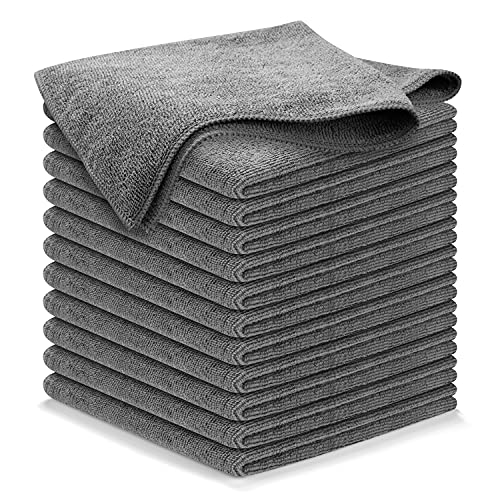
- microfiber cleaning cloths for spot cleaning fabric upholstery
- upholstery stain remover pen for fabric
- fabric cleaning brush for spot stain removal
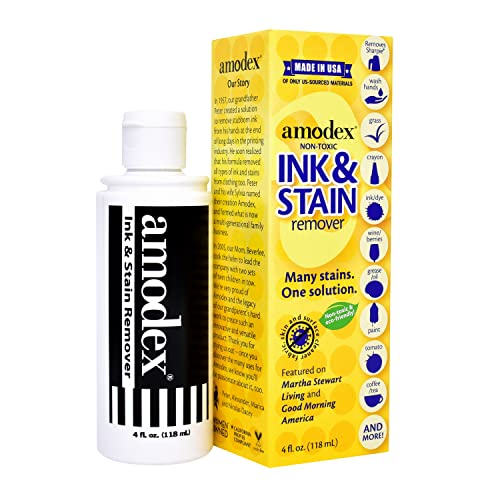
- stain remover gel for fabric upholstery
Before You Start
Before beginning, check the fabric tag for cleaning codes (for example “W” or “S” or “WS”). Test any product on an inconspicuous area first to ensure colorfastness and texture remain intact. Keep cleaning solutions away from leather or suede surfaces unless explicitly safe for those materials. Work in a well-ventilated area and use mild, non-bleach products whenever possible. Allow ample time for the fabric to air-dry to prevent watermarks and odor buildup.
Step-By-Step: How To Spot Clean Fabric Upholstery
- Identify the stain type and proceed with the most appropriate product: water-based stains typically respond to a spray cleaner, while oil-based stains may need a gel or pen treatment.
- Blot the stain gently with a clean microfiber cloth to remove excess liquid. Do not rub, which can push the stain deeper.
- Apply a light mist of fabric upholstery spot cleaner spray 16oz directly onto a clean cloth, then dab onto the stain from the outside toward the center to prevent spreading.
- For stubborn spots, use the upholstery stain remover pen for fabric on the edge of the stain and work toward the center. Allow the pen’s solution to sit briefly if the product instructions permit.
- Gently scrub with a fabric cleaning brush for spot stain removal using short, even strokes. Avoid aggressive scrubbing that can damage fibers.
- Reapply cleaner in small amounts as needed, blotting after each application to lift lifted residue.
- Once the stain lightens, wipe the area with a clean, damp microfiber cloth to remove any cleaning residue.
- Allow the fabric to air dry completely before sitting or placing cushions back. If possible, use a fan or dry outdoors in shade to speed drying.
- If any odor remains, repeat the cleaning cycle with a fresh cloth and monitor for colorfastness before repeating.
- For large or set-in stains, consider a second treatment or a professional cleaning if needed, especially on delicate or antique fabrics.
- After drying, lightly brush the area with the fabric cleaning brush to restore nap and texture.
Troubleshooting
| Symptom | Likely Cause | Fix | Prevention |
|---|---|---|---|
| Stain reappears after drying | Incomplete removal or set-in residue | Repeat cleaning with minimal moisture; consider stain remover gel for lingering areas | Treat promptly; blot rather than rub |
| Color fading or watermark | Over-wetting or harsh cleaners | Use less product and more blotting; test colorfastness first | Use gentle cleaners; monitor moisture |
| Fabric feels stiff after cleaning | Suds or residue left behind | Wipe with damp cloth to remove residue; air dry | Avoid over-saturating fabrics |
| Cleaner causes discoloration | Non-compatible fabric or wrong cleaner | Rinse with water and blot; consult product tag for compatibility | Always test on hidden area |
Common Mistakes
- Using too much liquid, causing over-wetting and longer drying times.
- Rubbing stains aggressively, which spreads the stain and roughens fibers.
- Skipping a colorfastness test on the fabric tag or hidden area.
- Ignoring odor or persistent stains that require a gel or pen product.
Tips For Best Results
- Always work from the outside of the stain inward to prevent spreading.
- Work in small sections to control moisture and avoid ring marks on upholstery.
- Keep a dedicated set of microfiber cloths for spot cleaning to prevent cross-contamination.
- If the fabric is delicate or antique, opt for a professional cleaning service rather than DIY methods.
Call A Professional
When should a pro be called? If the stain covers a large area, the fabric is velvet or silk, the upholstery has a waterproof backing, or there is persistent odor despite cleaning, contact a professional upholsterer or dry cleaner. Also seek help if the fabric tag advises professional cleaning only.
FAQ
Can I use any fabric cleaning brush on all upholstery?
Not all brushes are suitable for delicate fabrics; choose a soft-bristle brush designed for upholstery to minimize fiber damage.
Is it safe to use stain remover gel on all fabrics?
No—always verify the fabric’s cleaning code and test a hidden area before applying gel.
How long should I wait for drying after spot cleaning?
Most fabrics take several hours to dry completely; ensure air circulation and avoid immediate use until dry.
What if the stain is old or set-in?
Old stains may require repeated treatments or stronger products; if in doubt, a professional cleaning is recommended.
Buying Guide
When choosing products for spot cleaning fabric upholstery, consider size, spray versus gel formats, and compatibility with your fabric type. Look for a fabric upholstery spot cleaner spray 16oz for quick, broad treatment, and a stain remover gel for fabric upholstery for stubborn spots. A microfiber cleaning cloths for spot cleaning fabric upholstery set helps with controlled blotting and residue removal. For precision, an upholstery stain remover pen for fabric can target small areas without oversaturating surrounding fibers. A fabric cleaning brush for spot stain removal aids in gentle agitation without damage. Consider products that are color-safe and safe for your fabric code (W, S, WS).
Size And Placement Considerations
Smaller, portable kits are convenient for couches, chairs, or cars, while larger containers are practical for households with multiple fabric surfaces. For placement, keep cleaners in a cool, dry area away from direct sunlight and pets. If the upholstery is heavily trafficked or frequently stained, having a combo kit with a gel, pen, and brush provides flexibility for quick spot fixes.