Stone bird baths add charm to outdoor spaces but require regular cleaning to keep them looking their best and to protect the water from algae and buildup. This guide provides practical, step-by-step instructions using safe, stone-friendly methods suitable for most outdoor settings in the United States.
Quick Answer
Rinse, remove debris, apply a stone-safe cleaner or a mild mixture, scrub with a stiff-bristle brush, rinse thoroughly, and dry before refilling. For stubborn algae, use a plastic scraper carefully and repeat as needed.
What You’ll Need
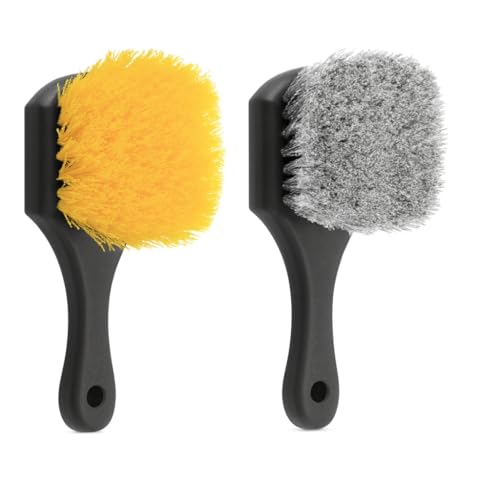
- Stiff-bristle outdoor brush for cleaning stone bird bath
- Nylon scrub brush for stone bird bath cleaning
- Stone-safe cleaner for outdoor bird bath
- Plastic scraper tool for algae removal from stone bird bath
- Algae removal brush for outdoor stone bird bath

Before You Start
Place the bird bath on a stable, level surface away from direct foot traffic. Empty the water and inspect for any cracks or chips that could worsen with cleaning. Test any cleaner on a small, inconspicuous area first to ensure it won’t discolor or damage the stone. Safety comes first: wear gloves and eye protection, and avoid harsh chemicals near plants and wildlife. Time estimate: 30–60 minutes depending on buildup.
Caution: Do not use acidic cleaners like pure vinegar on certain stone types; check manufacturer guidance for your specific stone.
Step-By-Step: How To Clean A Stone Bird Bath
- Drain the basin completely and remove loose debris with a dry brush to prevent swirling dirty water.
- Rinse the surface with clean water to loosen moss and algae before applying cleaners.
- Apply a stone-safe cleaner for outdoor bird bath following label directions; if you prefer a milder approach, use a dilute, mild soap solution.
- Let the cleaner sit briefly, then scrub the entirety of the stone surface with a stiff-bristle outdoor brush for cleaning stone bird bath to dislodge algae and mineral deposits.
- For stubborn spots, switch to a algae removal brush for outdoor stone bird bath and targeted scrubbing, paying attention to crevices and relief patterns.
- Gently use a plastic scraper tool for algae removal from stone bird bath to lift stuck debris without scratching.
- Rinse thoroughly with plenty of clean water until all cleaner residues are gone and the water runs clear.
- Refill with fresh water and, if desired, add a splash of mineral-safe water treatment to reduce future algae growth.
- Inspect for wear or damage; if you notice cracks, consider sealing the stone or seeking professional guidance to prevent leaks.
- Repeat cleaning every few weeks during warm months or as needed when algae returns, especially in sunny, stagnant areas.
- Seasonal maintenance: perform a lighter cleaning in fall to remove fallen leaves and prevent clogging of the water basin.
Troubleshooting
| Symptom | Likely Cause | Fix | Prevention |
|---|---|---|---|
| Green film on water surface | Algae bloom | Deep-clean with stone-safe cleaner and algae brush | Change water more often; place in partial shade |
| Streaks or mineral deposits | Hard water minerals | Use a cleaner designed for mineral buildup; rinse well | Regular water changes; consider a water softener if appropriate |
| Scratches on stone | Aggressive scrubbing or scraper use | Switch to softer brushes; avoid metal tools | Gentle routine cleaning |
| Leaks after cleaning | Cracked or worn sealant | Replace or repair the seal; seek professional advice for large cracks | Inspect periodically; avoid overfilling when refilling |
Common Mistakes
- Using harsh household cleaners or bleach not labeled for stone can damage finish.
- Over-scrubbing in fragile areas can gouge or scratch the surface.
- Neglecting thorough rinsing leaves chemical residues that irritate wildlife.
- Ignoring temperature and weather can make cleaning less effective or dangerous.
Tips For Best Results
- Schedule cleaning during cooler parts of the day to protect cleaners and wildlife.
- Use a dedicated brush for outdoor stone care to prevent cross-contamination with indoor tools.
- Rinse thoroughly, ensuring no cleaner remains in crevices where algae can regrow.
- Consider a light, regular maintenance sweep monthly to prevent heavy buildup.
- When possible, place the bird bath where water can circulate or be shaded to reduce algae growth.
Call A Professional
Contact a professional if you notice deep cracks, significant staining that resists cleaning, or if the basin shows signs of structural instability. Stop cleaning if the stone surface becomes slick or progressively chalky, which can indicate sealant failure or composite damage.
FAQ
Can I use vinegar to clean a stone bird bath?
Vinegar is not suitable for all stone types; consult the cleaner’s instructions and perform a patch test first.
How often should I clean a stone bird bath?
Clean every 2–4 weeks in warm months and all algae-prone seasons; lighter maintenance can be done monthly in cooler months.
What if algae returns quickly after cleaning?
Increase cleaning frequency, use an algae-specific brush, and consider placing the bath in partial shade to slow growth.
Is sealing the stone bath necessary?
Sealing can help reduce staining and water absorption, but follow stone-specific guidance and reapply as recommended by the sealant manufacturer.
What should I do with the water after cleaning?
Dispose of old water in a sink or garden area away from plant roots, then rinse the basin and refill with fresh water.
Buying Guide
Key factors influence choices when cleaning and maintaining a stone bird bath. Size matters for space and water volume; larger baths may require more scrubbing effort and longer rinsing. Noise level is not a concern for cleaning tools, but consider choosing quiet, manual tools if you work near living spaces. Energy efficiency isn’t a primary factor for cleaning tasks, but battery-powered scrubbers can save time; opt for models with efficient brushes and rechargeable power. Controls should be simple and ergonomic, with comfortable handles for extended scrubs. Placement in the yard affects algae growth; partial shade helps reduce sun exposure and mineral buildup. Compare tools by material compatibility, stone safety, and ease of use to achieve best results with minimal risk to the bath’s finish.