Water odors in homes often signal excess moisture, hidden mold, or compromised ventilation. This guide provides practical steps to freshen indoor air, prevent recurrence, and choose the right tools for American households.
Quick Answer
Identify moisture sources, ventilate, and treat odors at the source. Use a dehumidifier to reduce humidity, an air purifier with activated carbon for odors, an enzymatic cleaner for organic residues, and odor absorbers for ongoing control. Regular monitoring with a moisture meter helps prevent regrowth.
What You’ll Need
- Dehumidifier for damp basement musty odor elimination 30 pint
- Air purifier with activated carbon filter for musty smell
- Digital moisture meter hygrometer moisture detector for home
- Enzymatic cleaner mold and mildew odor remover spray
- Activated charcoal odor absorber bags for home


Before You Start
Assess the affected areas and note areas with visible moisture, stains, or peeling paint. Clear clutter to improve air flow and access. Schedule project work during dry, moderate weather to prevent rapid re-moisture. Safety notes: unplug electrical devices when testing moisture, wear gloves when using enzymatic cleaners, and keep pets away from treated zones until surfaces are dry. Time estimates vary by space but plan at least several hours for initial cleaning and drying.
Critical cautions: do not mix cleaning products unless directions permit, and avoid over-wetting walls or carpets which can trap moisture and worsen odors.
Step-By-Step: How To Eliminate Water Odors At Home
- Run a dehumidifier in affected areas to lower humidity below 50–60% for general living spaces and 40–50% for damp basements.
- Ventilate by opening windows or running exhaust fans to exchange humid air with drier outdoor air.
- Use an air purifier with activated carbon to trap volatile organic compounds and musty odors.
- Identify moisture hotspots with a digital moisture meter hygrometer and document high readings for targeted drying.
- Apply an enzymatic cleaner to organic residues on hard surfaces, tile, and grout where mildew or odors linger.
- Place activated charcoal odor absorber bags in bedrooms, closets, and basements to capture lingering smells.
- Allow treated areas to dry completely before reoccupying, and recheck moisture levels after 24–48 hours.
- Inspect for hidden moisture behind walls and under flooring; address leaks or condensation sources promptly.
- Schedule periodic maintenance for the dehumidifier and air purifier, including filter changes per manufacturer guidelines.
- Consider a professional mold assessment if odors persist after drying and cleaning.
- Document improvements with a follow-up moisture reading to confirm low humidity over time.
Troubleshooting
| Symptom | Likely Cause | Fix | Prevention |
|---|---|---|---|
| Persistent musty odor after cleaning | Hidden moisture or hidden mold | Reassess with moisture meter, re-dry affected areas | Address leaks; ensure proper ventilation |
| Humidity stays high | Insufficient dehumidification capacity | Increase dehumidifier size or run continuously in damp spaces | Use multiple units if needed; seal leaky areas |
| Odor returns after a few days | Reintroduced moisture or new water intrusion | Fix source of moisture, re-clean with enzymatic cleaner | Monitor humidity regularly |
| Air feels stale despite cleaning | Poor air exchange | Improve ventilation; add exhaust fans | Keep doors between areas open when feasible |
Common Mistakes
- Relying on air fresheners alone without addressing moisture sources
- Overlooking crawlspaces, basements, and behind-wall moisture
- Using cleaners that leave residues or react with mold odors
- Neglecting filter maintenance on purifiers and dehumidifiers
Common mistakes can delay relief. Focusing on humidity control and thorough cleaning yields the best results.
Tips For Best Results
- Use the dehumidifier at the lowest setting that maintains target humidity to save energy.
- Place activated carbon filters or odor absorbers near odor sources for faster impact.
- Keep temperatures moderate; extreme heat or cold can affect humidity readings and drying times.
- Regularly monitor moisture with the hygrometer to catch regressions early.
- Label treated areas so occupants know when surfaces are drying and safe to re-enter.
Call A Professional
Consider a professional if any of the following apply: persistent dampness after two weeks, visible mold growth beyond small patches, leaks or foundation water intrusion, or odors that resist standard cleaning and dehumidification.
FAQ
What causes a persistent water smell in a house?
Common causes include hidden moisture, mold growth, inadequate ventilation, and damp basements or crawlspaces.
How long does it take to remove musty odors?
Cleanup and drying typically take several days to a couple of weeks, depending on space size and moisture sources.
Can air purifiers with activated carbon fully remove odors?
They significantly reduce odors but work best when combined with humidity control and surface cleaning.
Is a moisture meter necessary for odor control?
While not mandatory, a moisture meter helps locate damp zones and track drying progress effectively.
Buying Guide
Choosing the right equipment helps prevent odor recurrence and protects indoor air quality. Consider these factors:
- Size and capacity: For basements or large rooms, a 30-pint or larger dehumidifier is often appropriate. For small spaces, smaller units may suffice.
- Noise level: Look for models with low dB ratings if the device will operate in living spaces or bedrooms at night.
- Energy efficiency: Energy Star-rated units reduce operating costs while maintaining performance.
- Controls and indicators: Digital humidity readouts and auto-shutoff help maintain target moisture levels.
- Ventilation needs: Ensure good airflow—placing purifiers away from corners and using exhaust fans improves effectiveness.
- Placement: Position dehumidifiers and purifiers in odor hotspots, avoid direct contact with walls, and keep cords secured.
- Maintenance: Filter replacement, cleaning cycles, and reservoir emptying schedules impact long-term performance.
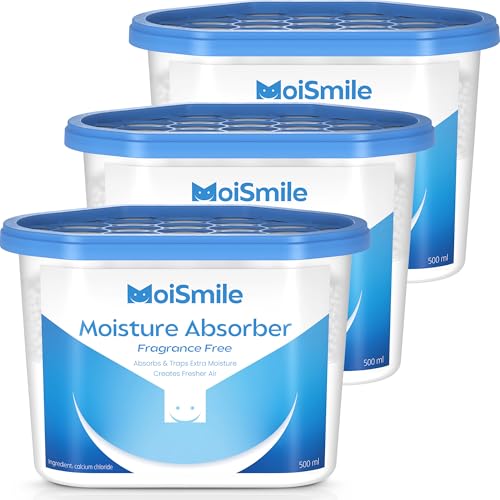
- Supplementary tools: Use enzymatic cleaners for organic residues and activated charcoal bags for ongoing odor control.
Combining these tools and practices helps maintain a fresh, breathable home. If odors linger despite efforts, a professional assessment may reveal structural or plumbing factors requiring attention.