Maintaining a clean tub avoids soap scum, mineral buildup, and mold, creating a healthier bathroom environment. This guide outlines a practical, step-by-step approach using common cleaning tools and accessible techniques suitable for most American homes. Readers will learn how to remove grime effectively without damaging delicate surfaces.
Quick Answer
Use a long-handled, non-scratch scrub brush to reach corners and grout, paired with a telescoping bathtub cleaning wand for tall surfaces. Finish with a bathroom squeegee to remove water after each use, and undertake a deeper clean weekly to prevent buildup.
What You’ll Need
The following tools cover routine maintenance and deeper cleaning. Many households already own some of these, and the list below prioritizes items that improve reach and protect tub surfaces.
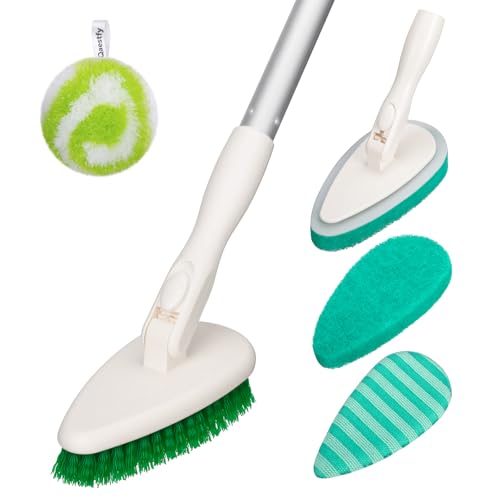
- Bathtub cleaning brush with long handle extension pole
- Telescoping bathtub cleaning wand
- Bathroom grout brush with scraper for tub
- Non-scratch tub scrub brush set
- Bathroom squeegee for tub and shower doors


Before You Start
Prepare the area by removing towels and placing a plastic mat to catch drips. Ventilate the bathroom or run the exhaust fan to minimize fumes. Test a small, inconspicuous area of the tub with any new cleaner to ensure no discoloration occurs. Allocate at least 20–30 minutes for a routine wipe-down, and 45–60 minutes for a full deep clean. Never mix acidic cleaners with bleach; this can create toxic gases. Wear gloves and avoid excessive pressure that could scratch surfaces.
Step-By-Step: How To Keep The Tub Clean
- Rinse the tub with warm water to loosen soap scum and hair. Use the telescoping bathtub cleaning wand to reach high corners and under the faucet without bending.
- Apply a gentle, non-abrasive cleaner to the entire tub surface. Let it sit for 5–10 minutes to break down residue.
- Scrub the tub with the non-scratch tub scrub brush set, focusing on the corners, ledges, and around drains where buildup accumulates.
- Use the bathroom grout brush with scraper for tub to address any stubborn grout lines or seams. Gently scrape along grout to dislodge mineral deposits without harming sealants.
- Rinse thoroughly with warm water, ensuring all cleaner residue is removed from surfaces and grout lines.
- Dry the tub with a microfiber cloth or use the bathroom squeegee for tub and shower doors to remove standing water, helping prevent water spots and mold growth.
- For daily upkeep, wipe the tub after use and squeegee the doors. This minimizes daily buildup and reduces the need for heavy scrubbing.
- Periodically examine caulk and grout. If you notice cracks or mold behind tiles, address promptly to prevent leaks and erosion, or consult a professional if needed.
- Schedule a deeper clean every 1–2 weeks, depending on usage. Alternate between a standard scrub and a grout-focused pass to maintain a fresh surface.
- Store tools dry and accessible. A hanging caddy or wall-mounted rack keeps brushes off wet surfaces, reducing mildew risk.
- After each cleaning cycle, rinse all tools and allow them to dry completely to maintain bristle integrity and tool longevity.
Troubleshooting
| Symptom | Likely Cause | Fix | Prevention |
|---|---|---|---|
| Soap scum returns quickly | Residual residue or high mineral content | Switch to a mineral-friendly cleaner and re-clean with a scrub brush | Rinse and squeegee after every use |
| Discoloration after cleaning | Abrasive cleaners or improper surface contact | Switch to a non-abrasive cleaner and test on a small area | Follow manufacturer guidelines for tub material |
| Scrub brush bristles become bent or frayed | Frequent heavy scrubbing or improper storage | Replace brushes and store dry | Rotate tools and use the right brush for each surface |
| Mold along grout lines | Poor ventilation and damp conditions | Improve ventilation, use a mildew-resistant cleaner | Wipe down after use and keep area dry |
Common Mistakes
- Overusing acidic cleaners on enamel or acrylic tubs, which can dull finishes.
- Using metal scrapers on tub surfaces that can scratch or dull glossy coatings.
- Neglecting grout maintenance, leading to deeper staining and potential mold.
- Forgetting to dry surfaces after cleaning, encouraging water spots and mildew growth.
Tips For Best Results
- Adopt a consistent routine: quick wipe-down after each bath or shower extends time between deep cleans.
- Use tools with soft bristles and non-scratch materials to protect delicate surfaces.
- Leverage extension tools to reach hard-to-access areas without bending or leaning.
- Choose cleaning products labeled safe for tub materials and grout alike.
- Keep a dedicated squeegee and brush in the bathroom for immediate use after showers.
Call A Professional
Consider professional help if you notice persistent mold growth, extensive grout damage, or cracks around the tub that affect water sealing. Stop using the tub if you detect foul odors, standing water that won’t drain, or significant structural damage and contact a licensed plumber or bathroom remodeling specialist.
FAQ
How often should I deep clean my tub?
Most households benefit from a deep clean every 1–2 weeks, depending on usage and water quality.
Can I use lemon juice or vinegar on tubs?
Yes, on many surfaces, but avoid prolonged acidic exposure on marble or softer acrylics. Always rinse thoroughly.
What is the best tool for grout in tubs?
A dedicated grout brush with a scraper can help remove mineral buildup from line joints without scratching surrounding tile.
Will a squeegee prevent mold growth?
Regular use of a squeegee after showers significantly reduces moisture, which helps deter mold and mildew.
Buying Guide
Choosing the right tools for tub cleaning involves considering surface type, reach, and maintenance needs. Here are key buying factors to help shoppers compare options:
- Size and reach: A long-handled brush and a telescoping wand provide leverage and access without bending, ideal for acrylic, porcelain, or fiberglass tubs.
- Surface compatibility: Look for non-scratch brushes and soft bristles designed for your tub material to prevent dulling or scratches.
- Grout cleaning capability: A grout brush with a scraper adds targeted power on joints and corners where stains accumulate.
- Water control: A squeegee aids drying and reduces water spots and mold; choose one with a comfortable grip and a flexible blade.
- Durability and maintenance: Replacing heads or bristles is important. Prefer tool sets with replaceable components to extend life.
- Storage: Tools that dry quickly and store neatly prevent mildew growth and keep bathrooms organized.
- Noise and ergonomics: Lighter tools with comfortable handles reduce fatigue during longer cleaning sessions.
- Budget and value: A coordinated set of brushing tools and a squeegee generally offers the best value for routine cleaning.
Would you benefit from a combined toolkit that includes a long-handle brush, a grout scraper, and a telescoping wand? Evaluating your tub material and water hardness helps tailor the choice to your home. In the end, the best setup is one that makes regular maintenance quick, effective, and easy to perform.