Maintaining a clean bidet helps prevent buildup, odors, and germs while extending the life of its components. This guide covers practical steps, the right tools, and smart habits tailored for American households.
Quick Answer
Regular cleaning with dedicated tools is key. Wipe down surfaces weekly, use a soft brush for nozzles, and run a descaler when mineral buildup appears. Dry docks and spray bottle cleaning help prevent residue between uses.
What You’ll Need
- nozzle cleaning brush bidet
- bidet descaler tablets
- silicone bidet wand cleaning brush
- bidet seat cleaner spray bottle
- bidet nozzle cleaning tool


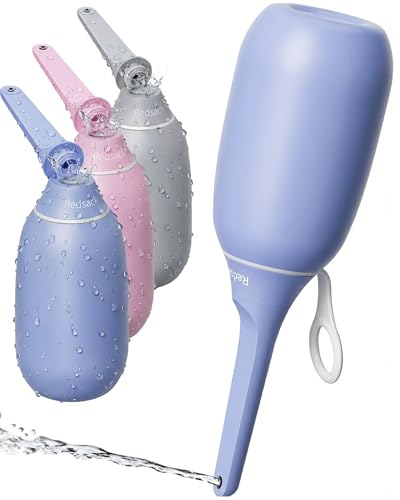
Before You Start
Prepare a clean, dry workspace around the toilet area. Read the bidet’s manual to confirm compatible cleaning agents. Test any cleaner on a small, inconspicuous area first. Plan for a 15–30 minute cleaning session, depending on the model and buildup. Wear gloves if you have sensitive skin and avoid abrasive scrubbers that could scratch surfaces.
Step-By-Step: How To Keep A Bidet Clean
- Power off or disable the bidet’s self-cleaning cycle if applicable, to avoid splashing during cleaning.
- Wipe the exterior surfaces with a damp cloth and a mild, non-abrasive cleaner stored in the bidet seat cleaner spray bottle.
- Extend and gently rinse the nozzle using the nozzle cleaning tool to remove surface grime.
- Use the silicone bidet wand cleaning brush to scrub the wand housing and any exposed plumbing seals.
- Drop a bidet descaler tablet into the bowl or run the descaling solution per package instructions to neutralize mineral deposits.
- Rinse thoroughly with clean water, ensuring all cleaner residues are flushed away from the nozzle and wand.
- Dry the nozzle and wand with a soft cloth to prevent water spots and mildew.
- Clean the seat and hinges with the spray bottle, paying attention to areas that contact skin and the lid’s underside.
- Inspect the nozzle for any persistent buildup and repeat cleaning steps if needed.
- Reconnect power or reactivate the bidet and run a quick test cycle to verify proper function after cleaning.
- Schedule a routine monthly check, or more often in hard-water areas, to prevent heavy mineral buildup.
Troubleshooting
| Symptom | Likely Cause | Fix | Prevention |
|---|---|---|---|
| Nozzle not retracting | Stuck nozzle due to buildup | Clean with nozzle tool and rinse | Regular quick clean after each use |
| Water flows irregularly | Mineral deposits | Descale and flush | Use descaler tablets as needed |
| Bad odor near unit | Standing moisture or soap residue | Wipe dry surfaces thoroughly | Dry after cleaning; wipe around seals |
| Wand feels sticky | Soap or mineral buildup | Clean wand with silicone brush and rinse | Rinse with clean water after each use |
Common Mistakes
- Using abrasive pads that scratch plastic surfaces
- Harsh chemicals that can degrade seals or coatings
- Overlooking hidden areas like under the seat or hinge areas
- Neglecting to descale in areas with hard water
Sticking to gentle cleaners and following a regular schedule reduces recurring issues and extends performance life.
Tips For Best Results
- Maintain a simple cleaning routine: exterior wipe, nozzle check, and weekly descaling.
- Keep the descaler tablets in a dry, cool location and follow label directions precisely.
- Choose a dedicated cleaning spray bottle for mixing mild solutions to avoid cross-contamination.
- Use a silicone brush for flexible components to reduce wear and tear on silicone seals.
- If you notice persistent mineral buildup, increase the frequency of descaling temporarily.
Call A Professional
Call a professional if the bidet shows persistent leaks, persistent nozzle misalignment, unusual noises during operation, or if cleaning does not restore proper function after multiple attempts. Seek expert help for electrical components or tampering with internal circuits.
FAQ
How often should I descale my bidet?
In areas with hard water, every 1–2 months is common; in softer water, every 3–6 months may suffice.
Can I use bleach to clean a bidet?
Avoid bleach on most bidet plastics and seals; opt for mild cleaners and the recommended descaler products.
Is it safe to use a denture-cleaning brush on a bidet?
No, use the provided nozzle cleaning tool or silicone brushes designed for bidet components to prevent damage.
What if the nozzle won’t retract after cleaning?
Gently re-seat the nozzle and perform a full rinse; if it remains stuck, contact support or a professional technician.
Should I clean the seat after every use?
A quick wipe with a damp cloth or spray bottle solution helps maintain hygiene between full cleanings.
Are bidet cleaning products safe for all surfaces?
Check the product label for compatibility with your model’s plastics and coatings before use.
Buying Guide
Key buying factors include size and compatibility with your bidet model, ease of access to nozzles and seals, and the effectiveness of descalers for your water type. Consider noise level and energy use if your unit includes a powered spray function. Look for a dedicated set of tools that includes a nozzle cleaning tool and a silicone brush for longevity. Assess how easy it is to store cleaners near the bathroom and whether the cleaning kit includes a spray bottle. Finally, evaluate the availability of replacement parts and whether the tools are designed to work with common bidet models in the U.S. market.