Stains can be a nuisance, but with the right tools and methods, most spots disappear without damaging fabrics or surfaces. This guide explains practical steps using common stain-fighting gear and explains how to choose the right technique for different materials.
By following a structured approach, consumers can tackle stains on clothing, upholstery, bedding, and carpets. The focus is on safe, effective methods that work with everyday household items and purpose-built tools.
Quick Answer
Act fast when a stain occurs, blot rather than rub, test a hidden area first, and select the appropriate tool for the surface. For fabrics and upholstery, start with a fabric-safe stain removal brush or a fabric upholstery cleaning kit. For clothes, a portable garment steamer or a mini scrubber can lift many stains without soaking the fabric. For carpets and sofas, a handheld steam cleaner is a strong option. Always follow the care label instructions.
What You’ll Need
- Stain removal brush for fabric and upholstery
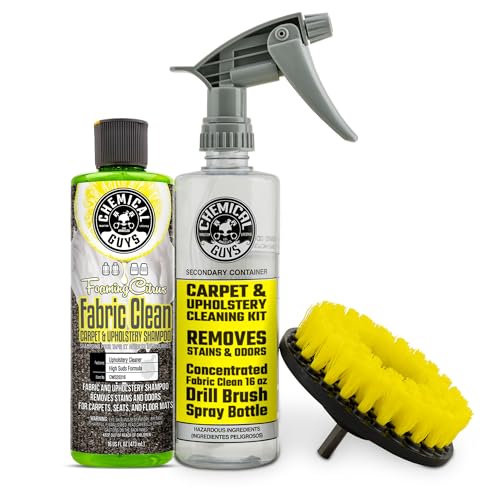
- Fabric upholstery cleaning kit with stain removal brush
- Portable garment steamer for stain removal on clothes
- Mini stain removal scrubber for laundry and bedding
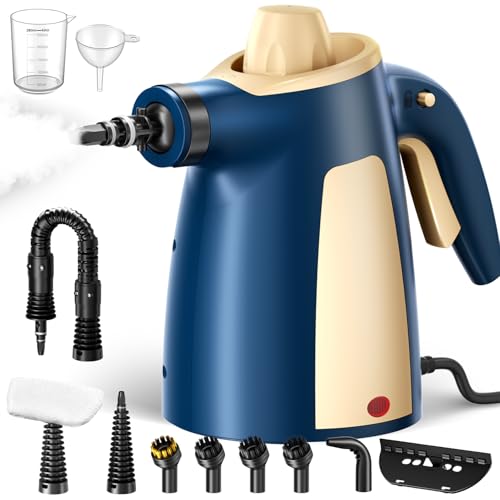
- Handheld steam cleaner for stain removal on carpets and sofas

Before You Start
Consider the fabric type, colorfastness, and the stain’s age. Test any cleaner on a small, inconspicuous area before full application. When using steamers, maintain a safe distance to avoid soaking delicate fabrics. Never use heat on certain dyes or leather unless the label explicitly allows it. Time estimates vary by stain and surface but plan for 15–45 minutes per area, including setup and drying time.
Step-By-Step: How To Get Rid Of A Stain
- Identify the stain type (protein, tannin, oil, dye) and the fabric or surface to choose the right method.
- Blot excess with a clean cloth or paper towel; avoid rubbing to prevent embedding the stain.
- Choose a tool based on material: use a fabric stain removal brush, a cleaning kit, or a portable steamer for clothes.
- Spot test a hidden area first to ensure the cleaner does not damage color or texture.
- Apply a targeted treatment using the appropriate kit or brush, following product instructions.
- Work from the outside in toward the center to prevent spreading.
- Rinse or steam as needed, using minimal moisture on delicate fabrics and avoiding over-wetting on upholstery.
- Blot dry with a towel and allow the item to air-dry completely before use.
- Repeat if necessary for stubborn stains, but avoid over-wetting and fiber damage.
- Finish with a proper cleaning cycle for items like bedding or upholstery to restore texture.
- Inspect the area after drying to determine if a second treatment is required.
- Store tools properly to keep them ready for the next stain.
Troubleshooting
| Symptom | Likely Cause | Fix | Prevention |
|---|---|---|---|
| Stain reappears after drying | Improper removal or residue left behind | Reapply cleaner and rinse thoroughly | Test first; follow instructions precisely |
| Color fading or fabric discoloration | Harsh chemical or heat exposure | Switch to milder cleaner or reduce heat | Do a hidden-area patch test |
| Stain spreads when applying cleaner | Rubbing or excessive moisture | Blot gently; use small amounts | Use tools designed for stain removal |
| Stain persists on upholstery | Deep-set stain or incorrect product | Try a different method or tool for fabric type | Check care label for fabric-specific guidance |
Common Mistakes
- Using hot water on protein-based stains like dairy or blood
- Rubbing aggressively, which embeds the stain deeper
- Testing cleaners on exposed areas without a patch test
- Over-wetting upholstery or bedding, leading to mold or odors
- Skipping drying time, which can set the stain as the fabric cools
Tips For Best Results
- Work from the outside edge of the stain toward the center to prevent spreading.
- Always check care labels before applying any cleaner or heat.
- For stubborn stains, use a dedicated stain removal brush or kit designed for fabrics or upholstery.
- Keep stain-removal tools on hand for quick response and less disruption to daily life.
- When using steam, maintain a comfortable distance to avoid over-wetting or scorching fibers.
Call A Professional
Consider professional help if the stain is from unknown substances, affects delicate materials (leather, silk, suede), or if previous attempts have damaged the fabric. Seek expertise for large areas on upholstery or expensive items, and contact a professional cleaner when there is persistent odor, bleed-through, or water damage concerns.
FAQ
Can I use a fabric upholstery cleaning kit on my couch?
Yes, many kits are designed for fabrics used on couches, but always follow the kit’s instructions and test on a small area first.
Is a handheld steam cleaner safe for carpets?
Yes, a handheld steam cleaner can lift many stains from carpets when used properly and with the right attachments.
What should I do if a stain doesn’t lift after one treatment?
Try a second treatment or switch to a different tool or cleaner type appropriate for the stain and fabric.
How quickly should I treat a spill on clothing?
Blot immediately and treat as soon as possible to improve the chance of complete removal.
Are there stains that cannot be removed?
Some dye transfers, ink, or permanent dyes may be difficult to remove; consult a professional for those cases.
Should I use hot water on all stains?
No. Hot water can set some stains (like proteins). Use cool or lukewarm water unless the care label specifies otherwise.
Buying Guide
Choosing the right stain-removal tools involves considering size, noise, energy usage, and placement. For home use, a compact portable garment steamer offers on-the-go stain lifting for clothes, while a fabric upholstery cleaning kit with a stain removal brush covers furniture and bedding. A handheld steam cleaner can handle carpets and sofas, and a mini stain removal scrubber adds precision for small laundry tasks. When evaluating options, compare:
- Size and weight for easy handling and storage
- Noise levels during operation for quiet neighborhoods or apartments
- Energy efficiency and any heat-up time
- Controls and ease of use across fabrics
- Placement flexibility—handheld vs. upright models
Consider the typical stain scenarios in the home—clothes, upholstery, bedding, and carpets—and select a kit and tools that cover these surfaces. Look for products that include interchangeable heads or brushes to adapt to different textures and stains. A well-rounded set minimizes the need for multiple devices and streamlines stain removal across rooms.