Maintaining a clean humidifier is essential for healthy indoor air and optimal device performance. Regular cleaning helps prevent mineral buildup, mold, and bacteria growth that can affect air quality. This guide covers practical steps, the right tools, and best practices for American homes with humidifiers, including portable and whole-room models.
Quick Answer
Clean weekly for most humidifiers, with a deeper descaling every 1–2 weeks depending on usage and water hardness. Rinse all parts, wipe surfaces, and replace filters or cartridges as recommended by the manufacturer.
What You’ll Need
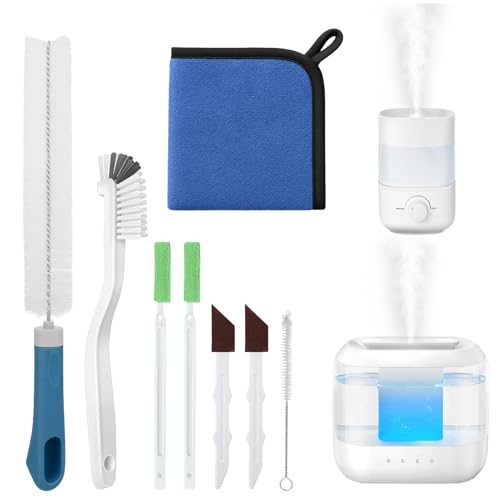
- humidifier cleaning brush
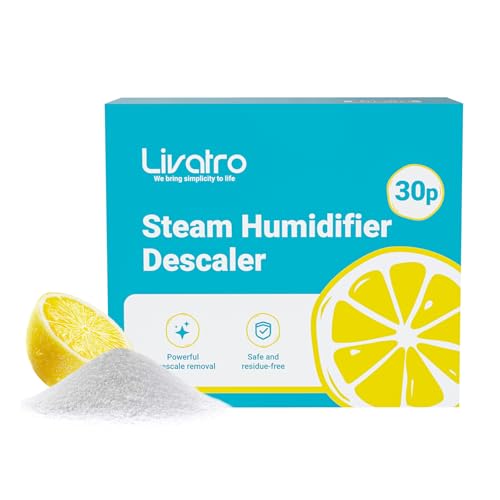
- humidifier descaling tablets
- microfiber cloth humidifier cleaning
- ultrasonic humidifier descaler
- humidifier water tank cleaning brush

Before You Start
Disconnect the humidifier and empty the water tank before cleaning. Use cool, running water and mild dish soap for most routines. Avoid harsh chemicals unless the manufacturer approves them. Safety note: never mix cleaners, and keep cleaners away from children and pets. Plan for a 10–20 minute cleaning routine weekly, plus a longer descaling cycle every few weeks if mineral buildup is visible.
Step-By-Step: How To Keep A Humidifier Clean
- Unplug the unit and remove the water tank from the base.
- Disassemble removable parts according to the user manual, including the tank cap, filter or wick, and nozzle assembly if applicable.
- Rinse the tank with clean water and wipe the interior with a microfiber cloth humidifier cleaning to remove loose mineral deposits.
- Fill a basin with a 1:1 solution of water and white vinegar and soak removable parts for 20–30 minutes to dissolve scale.
- Use a humidifier cleaning brush or a dedicated humidifier water tank cleaning brush to scrub hard-to-reach corners and the tank interior.
- Rinse thoroughly with clean water until all vinegar odor is gone, then air-dry parts on a towel before reassembling.
- For mineral buildup, use ultrasonic humidifier descaler tablets or follow manufacturer guidelines to descale the unit; rinse again completely after treatment.
- Wipe the exterior with a damp cloth and ensure the base’s air intake and vents are clear of dust.
- Reassemble, fill with clean water, and run the unit for a few minutes to flush the system before placing it back into service.
- Schedule ongoing maintenance: wipe weekly, descale every 2–4 weeks if water is hard, and replace any filters per the manual.
Troubleshooting
| Symptom | Likely Cause | Fix | Prevention |
|---|---|---|---|
| No mist or weak mist | Clogged nozzles or mineral buildup | Descale and clean nozzles; replace filters if needed | Use distilled water when possible |
| Strong odor after cleaning | Residual cleaner or vinegar | Rinse thoroughly with clean water | Rinse until smell is gone |
| Leaking or damp base | Overfilled tank or improper reassembly | Check fill level and reseat parts securely | Follow manufacturer fill lines |
| Misaligned base or rattling | Loose parts after cleaning | Reassemble per manual and tighten | Handle parts gently during cleaning |
Common Mistakes
- Using harsh chemical cleaners not approved for humidifiers
- Skipping the descaling step when mineral buildup is present
- Leaving water in the tank for extended periods between use
- Neglecting to dry parts completely before reassembly
Tips For Best Results
- Use distilled or demineralized water to reduce mineral deposits and extend cleanings between descalings.
- Set a monthly cleaning reminder to ensure routine maintenance and prevent buildup.
- Keep a dedicated cleaning kit handy near the humidifier for quick weekly maintenance.
- Check replacement part intervals (filters, cartridges) and plan ahead to avoid downtime.
- Store the humidifier clean and dry when not in use to minimize mold growth.
Call A Professional
Stop signs to consider professional help include persistent mold growth despite cleaning, persistent electrical buzzing, leaks that worsen after maintenance, or any signs of heat or burning smells. If the device is under warranty and issues persist after following the manual, contact the manufacturer’s support or a qualified appliance technician.
FAQ
How often should I clean my humidifier?
Most units benefit from a weekly wipe-down and tank cleaning, with descaling every 2–4 weeks depending on water hardness and usage.
Can I use bleach to clean a humidifier?
Bleach is generally not recommended; use manufacturer-approved cleaners or a vinegar solution for descaling, followed by thorough rinsing.
What if the mist smells funny after cleaning?
Rinse all parts thoroughly to remove cleaner residues and run the unit with clean water for several minutes before use.
Is distilled water better for humidifiers?
Yes. Distilled water reduces mineral buildup and prolongs the time between descalings.
Do I need to remove the filter for cleaning?
Some humidifiers have replaceable filters that should be soaked and cleaned according to the manual; others require replacement instead of cleaning.
How do I know when to replace descaling tablets?
Follow the tablet manufacturer’s instructions; if the descaler leaves residue or the buildup returns quickly, consider alternative cleaning methods or a deeper clean.
Buying Guide
Choosing the right humidifier involves balancing room size, noise, energy use, controls, and placement. Here are key buying factors to consider:
- Size and coverage: Match the humidifier’s output to the room area. Small rooms benefit from compact units, while large spaces may require bigger models with higher mist output.
- Noise level: Look for units marketed as quiet or with adjustable fan speeds if the device will operate in bedrooms or study areas.
- Energy efficiency: Consider energy-star rated devices or models with efficient pumps and fans to minimize electricity use over time.
- Controls and features: Digital displays, timers, humidity sensors, and auto-shutoff add convenience and help maintain consistent humidity levels.
- Placement considerations: Ensure the unit has a stable surface, is away from walls or furniture, and that mist direction is adjustable to avoid wetting surroundings.
- Maintenance requirements: Check for easy-to-clean parts, availability of descalers, and replacement filters or parts.
- Water source compatibility: Some models support tap water with built-in descaling, while others perform best with distilled water.
When comparing models, consider how often you’ll perform deeper cleanings, the availability of recommended cleaning accessories, and whether the brand provides clear cleaning guidelines to simplify ongoing maintenance. A well-maintained humidifier improves air comfort and can reduce potential health concerns linked to dry indoor air.