Wine breath is a common after-effect of social drinking, leaving a lingering odor that can be noticeable to others. With practical steps and targeted products, you can refresh your mouth and maintain confidence throughout the day. This guide outlines effective techniques and tools to neutralize wine odors and keep your smile feeling fresh.
Quick Answer
Quick methods: rinse with water after drinking, chew sugar-free gum, and brush with enamel-friendly toothpaste. For faster results, use targeted products such as a mouthwash designed to neutralize wine breath and a breath spray for on-the-go freshness. A tongue-focused approach can help remove odor-causing residues.
What You’ll Need
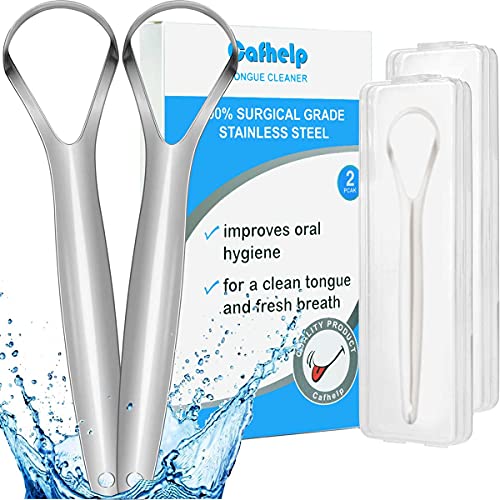
- Stainless steel tongue scraper for bad breath
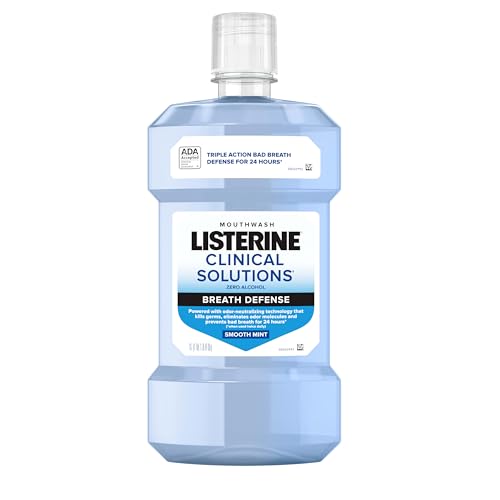
- Antibacterial mouthwash wine breath neutralizer
- Breath spray for wine breath freshening
- Activated charcoal toothpaste for bad breath
- Wine breath stain remover mouth rinse travel size

Before You Start
Prepare your mouth by brushing and flossing before bed or after meals to minimize odor buildup. Never swallow mouthwash and follow product directions. Keep your tongue clean, as residue on the tongue is a common source of wine odor. Time estimates vary, but a thorough routine can take 5–10 minutes, plus a quick refresh with spray or rinse during the day.
Step-By-Step: How To Get Rid Of Wine Breath
- Rinse and swish with water immediately after drinking to dilute volatile compounds.
- Use a stainless steel tongue scraper to remove film and residues from the tongue surface.
- Brush with an activated charcoal toothpaste to help absorb compounds contributing to odor.
- Swish a wine breath neutralizing mouthwash for a deeper clean and longer protection.
- Apply a breath spray for wine breath freshening as a quick on-the-go solution.
- Carry a travel-size wine breath stain remover mouth rinse for mid-evening touch-ups.
- Floss between teeth to remove lingering particles that contribute to odor.
- Wait a couple of minutes, then rinse again if a strong taste remains.
- Chew sugar-free gum or a mint to stimulate saliva and freshen breath between uses.
- Maintain routine nightly with brushing, tongue cleaning, and mouthwash to prevent morning wine breath.
- Limit heavy wine consumption or alternate with water to reduce odor compounds long-term.
Troubleshooting
| Symptom | Likely Cause | Fix | Prevention |
|---|---|---|---|
| Persistent odor after brushing | Residual tongue film | Re-scrape tongue and brush again with activated charcoal toothpaste | Brush and scrape after every drink |
Common Mistakes
- Rinsing with water alone without following up with a mouthwash or tongue cleaning
- Using regular toothpaste without addressing tongue odor
- Ignoring hydration, which reduces saliva and odor dilution
- Relying solely on breath sprays without addressing underlying residues
Consistency across brushing, tongue cleaning, and mouthwash is key to lasting results.
Tips For Best Results
- Incorporate tongue cleaning as a daily habit, not just after wine
- Choose antibacterial mouthwash with a wine breath neutralizer formulation for stronger odor control
- Carry a travel-size rinse for quick refreshment during social events
- Hydrate well to maintain saliva flow and naturally dilute odors
- Schedule regular dental checkups to address any underlying causes
Call A Professional
Seek professional advice if wine breath persists despite routine care, or if there are signs of dental decay, gum disease, or other oral health issues. A dentist can assess for conditions that contribute to persistent halitosis and recommend a tailored treatment plan.
FAQ
What causes wine breath?
Wine contains aromatic compounds and sugars that can cling to teeth and the tongue, producing odors as they break down. Alcohol can also dry the mouth, reducing natural saliva that helps neutralize smell.
Does tongue scraping work for wine breath?
Yes, a stainless steel tongue scraper removes film on the tongue where odor-causing compounds accumulate, improving freshness.
Can mouthwash stop wine breath permanently?
Mouthwash helps immediately and reduces odor, but lasting freshness relies on overall oral hygiene and hydration.
Is activated charcoal toothpaste safe for daily use?
When used as directed, it can help with odor control, but avoid excessive abrasion and follow a balanced routine with regular toothpaste as well.
Are travel-sized products effective for wine breath?
Yes, travel-sized rinses and sprays provide convenient, on-the-go odor control between full routines.
Should I avoid wine to prevent odor?
Moderation and proper oral care are practical steps; staying hydrated and cleaning after drinking are effective strategies.
Buying Guide
When selecting products to combat wine breath, consider several factors to fit daily routines and travel needs. Size and packaging matter for travel, while effectiveness and safety are essential for frequent use.
- Tongue cleaning: A stainless steel tongue scraper is durable and easy to sanitize, helping remove film that traps odor.
- Mouthwash: Look for antibacterial formulas with odor-neutralizing claims and alcohol-free options if dryness is a concern.
- Breath spray: Choose a compact spray with a quick-acting freshening effect for moments between uses.
- Toothpaste: Activated charcoal toothpaste can aid odor control without harsh abrasives; pair with regular enamel-safe toothpaste.
- Travel rinse: Small, travel-size mouth rinses are convenient for in-bag touch-ups during events or commutes.
Size, noise level (for any electric devices), and placement considerations (bathroom countertop vs. travel kit) can influence choice. Compare products by how quickly they neutralize wine odors, how long freshness lasts, and how comfortable they feel in daily use. Are you looking for a rapid fix for a night out, or a comprehensive routine for daily hygiene? A balanced approach often yields the best results across scenarios.