Introduction
Maintaining a dog pool requires a practical routine that addresses pet hair, debris, and chemical balance. A clean pool keeps dogs safe and ready for fun while protecting the filtration system from clogs. This guide provides step-by-step methods and practical tools to simplify weekly maintenance.
By using purpose-built tools and simple routines, owners can minimize hair buildup and maintain healthy water for furry swimmers.
Quick Answer
Establish a weekly routine that includes a dedicated skimmer net for dog hair, a soft nylon pool brush to loosen hair, periodic vacuuming with the right attachments, and regular water testing. Use a dog-specific approach to skimming, brushing, vacuuming, and balancing chemicals for best results.
What You’ll Need
- Telescoping pool skimmer net for dog hair
- Soft nylon pool brush for removing dog hair from pool interior
- Automatic pool vacuum for above ground pool
- Pool water test strips kit for chlorine pH and hardness
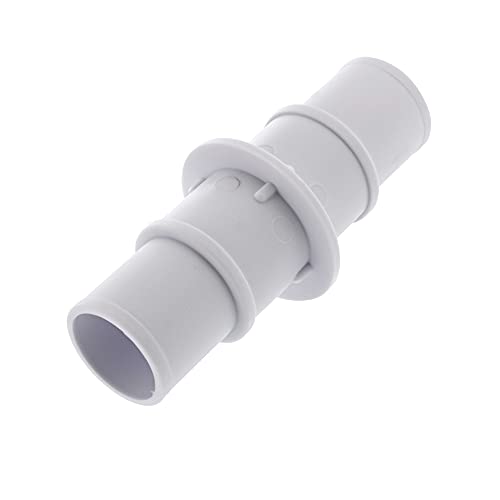
- Pool hose vacuum adapter for cartridge filter system


Before You Start
Assess the pool area for pets and remove any toys or obstacles before cleaning. Check the pool water for clarity and odor. Safety note: unplug power sources when handling pool equipment and avoid mixing chemicals. Time estimates: skimming takes 5–10 minutes, brushing 5 minutes, and vacuuming 10–20 minutes per session, depending on hair volume and debris.
Critical cautions: never mix incompatible chemicals, wear gloves when handling testing kits, and supervise pets during any cleaning activity to prevent accidental drowning or ingestion.
Step-By-Step: How To Keep A Dog Pool Clean
- Inspect the pool and surrounding area for obvious debris and pet toys; remove them before starting.
- Extend the telescoping pool skimmer net and skim the surface to lift loose hair and leaves.
- Use the soft nylon pool brush to gently scrub the interior walls and floor where hair tends to cling, then rinse loose hair into the skimmer.
- Attach the automatic pool vacuum for above ground pool and connect to the pool’s filtration system; run the vacuum to collect settled hair and fine particles.
- Run the vacuum with the cartridge filter system by using the pool hose vacuum adapter to ensure proper suction and filtration.
- Test water chemistry with the pool water test strips kit; check chlorine, pH, and hardness, and adjust as needed according to the kit’s instructions.
- Shower dogs after swimming to reduce hair shedding and keep the pool cleaner for longer; rinse coats to minimize hair shedding in water.
- Backwash or clean the filter as recommended by the system’s manual to maintain optimal flow and hair removal efficiency.
- Repeat the skim, brush, and vacuum cycle weekly, increasing frequency during shedding seasons.
- Keep a dedicated routine: skim daily, brush every few days, and vacuum weekly to prevent heavy hair buildup.
- Store cleaning tools in a dry, accessible location to encourage consistency and quick sessions when needed.
- Document changes in water chemistry and debris patterns to anticipate when more aggressive cleaning is required.
Troubleshooting
| Symptom | Likely Cause | Fix | Prevention |
|---|---|---|---|
| Water looks cloudy | High hair buildup or balanced chemicals off | Increase skimming and brush more; test and adjust chlorine and pH | Maintain weekly test and cleaning schedule |
| Strong hair clumps in filter | Excess hair shedding | Brush dogs before swimming; run фильтр and backwash | Pre-swim rinse for dogs |
| Vacuum suction weak | Clogged hose or filter | Check hose, remove debris, backwash filter | Regularly clean hoses and adapters |
| Unbalanced water after adding chemicals | Improper dosing or high debris load | Re-test, re-dose gradually, re-filter | Use test strips consistently and follow plan |
Common Mistakes
- Using harsh brushes that scratch the pool interior; always opt for soft nylon surfaces
- Overrelying on one tool; combine skimming, brushing, and vacuuming for best results
- Neglecting pre-swim rinses for dogs, which increases hair in the water
Tips For Best Results
- Establish a daily skim routine during peak shedding and after heavy use
- Keep the pool’s chemical balance stable to reduce hair clumping and algae growth
- Use the adjustable height on the telescoping skimmer to reach corners and edges
- Rinse animals before swimming to minimize dirt and hair transfer
- Rotate cleaning tasks among household members to maintain consistency
Call A Professional
Consider contacting a pool professional if you notice persistent cloudiness, persistent strong odors, skin irritation in dogs after swimming, or equipment malfunctions that you cannot safely resolve. If you suspect a chemical imbalance that exceeds standard dosing, seek expert advice to avoid harm to pets.
FAQ
How often should I skim the pool for a dog?
Daily during heavy shedding periods is ideal, with a quick skim between swims otherwise.
Can I use this setup for above-ground and in-ground pools?
The tools listed are suited for above-ground pools; adapt as needed for in-ground systems with compatible skimmers and vacuums.
What type of brush is best for dog hair?
A soft nylon pool brush works best to avoid scratching while loosening hair.
How do I balance pool chemistry after a dog swims?
Test and adjust chlorine, pH, and hardness per the kit’s guidance; re-test after chemical adjustments.
Buying Guide
When choosing gear to keep a dog pool clean, consider size, ease of use, and compatibility with your pool type. Look for a telescoping pool skimmer net designed to reach the far corners and handle pet hair efficiently. An automatic pool vacuum for above ground pool can streamline cleaning, but verify it fits your pool’s dimensions and filtration. A soft nylon pool brush helps remove hair without damaging the interior. A reliable pool water test strips kit for chlorine pH and hardness ensures you maintain safe water for pets. Finally, a pool hose vacuum adapter for cartridge filter system should be compatible with your current filter setup to maximize suction and filtration efficiency.
Key buying factors include:
- Size and reach of telescoping tools to cover large dog pools
- Noise level and ease of operation for automated vacuums
- Energy efficiency and maintenance needs of vacuums
- Accuracy and ease of use of water test strips
- Compatibility with your filter system and hose fittings
Questions to consider: How often will you clean? Do you prefer manual or automated cleaning? What is your pool’s size and filtration setup? Matching gear to your routine and pool configuration will provide the best results and keep canine swimmers happy and healthy.