Boat covers protect interiors from sun, rain, and debris, but they require proper cleaning to stay durable and visually appealing. This guide provides practical steps and tools to refresh fabric and vinyl covers while preserving their fit and waterproofing. Readers will find a straightforward process, common issues, and shopping tips for the right products.
Whether the cover shields a fishing boat, pontoon, or sailboat, regular cleaning extends its life and keeps it ready for the next voyage. The methods below emphasize gentle cleaning, mildew prevention, and fabric care that work across most recreational boat covers.
Quick Answer
How to clean a boat cover in quick steps: remove loose debris, rinse with water, apply a fabric or marine vinyl cleaner appropriate for your cover material, scrub with a soft bristle brush, rinse thoroughly, air dry away from direct sun, and treat mildew if present. Use a mildew stain remover for stubborn spots and a dedicated boat cover cleaning kit for convenience.
What You’ll Need
The following tools and products cover common boat cover materials and typical cleaning challenges. Gather these before you start to keep the process smooth.
- Marine vinyl cleaner for boat covers
- Boat cover cleaning kit
- Soft bristle brush for cleaning boat covers
- Fabric cleaner for outdoor boat covers
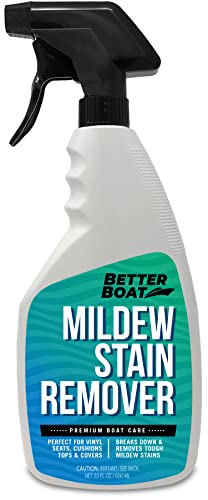
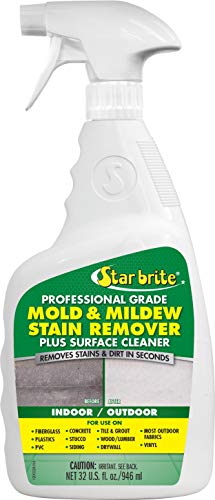
- Mildew stain remover for boat covers

Before You Start
Assess the cover type—vinyl, canvas, or polyester—since cleaning agents vary in effectiveness and safety. Check for rips, tears, or weak seams and plan for repairs after cleaning. Do not clean in direct sunlight for long periods to avoid heat damage, and always rinse thoroughly to prevent cleaner residues from degrading fabric. The following cautions are critical: test cleaners on a small, inconspicuous area first, avoid bleach unless specified for your material, and never machine-wash covers that aren’t labeled as machine-safe.
Estimated time for a typical full-clean and dry cycle ranges from 45 minutes to 2 hours depending on cover size and drying conditions. If mold or mildew is severe, allow extra dwell time for cleaners to work.
Step-By-Step: How To Clean A Boat Cover
- Remove dust and debris from the surface using a soft brush or microfiber cloth to prevent scratching during washing.
- Rinse the cover with a garden hose to loosen dirt and reduce the amount of soap needed later.
- Apply the appropriate cleaner: use marine vinyl cleaner for vinyl surfaces or fabric cleaner for canvas and outdoor fabrics. Follow the product directions for mixing and dwell time.
- Gently scrub in circular motions with a soft bristle brush, paying attention to seams, zippers, and any stained areas.
- Rinse thoroughly until all soap residue is removed. Residual cleaner can degrade fabric and attract more dirt if left behind.
- Let the cover air dry away from direct sun. If possible, prop it so water drains and air circulates to prevent mildew formation.
- Inspect for mildew. If present, apply mildew stain remover for boat covers on affected spots, following the product’s instructions and testing first if needed.
- Return the cover to its mounting or storage location after it is fully dry. Consider applying a protective spray compatible with the fabric to enhance water repellency.
Troubleshooting
| Symptom | Likely Cause | Fix | Prevention |
|---|---|---|---|
| Stubborn mildew spots | Persistent moisture pockets | Use mildew stain remover for boat covers; re-clean if needed | Ensure complete drying and proper ventilation after use |
| Fading or color bleed after cleaning | Harsh cleaner or excessive dwell time | Switch to a milder cleaner appropriate for material; shorten contact time | Test on hidden area first; rinse thoroughly |
| Stiff fabric after washing | Residual soap or improper drying | Rinse again and air dry fully | Avoid over-wetting and ensure complete drying |
| Water pooling on vinyl cover | Damage to fabric or improper cleaning | Repair or replace compromised areas; reseal as needed | Regular cleaning and gentle handling |
Common Mistakes
- Using hot water or aggressive brushes that scratch surfaces
- Choosing cleaners not suited for the material (vinyl vs fabric)
- Skipping a thorough rinse, leaving cleaner residue behind
- Ignoring seasonal mold growth or failing to dry completely
Prevention and patience are essential. Following material-specific instructions reduces the risk of damage and keeps covers looking fresh longer.
Tips For Best Results
- Test any cleaner on an inconspicuous area before full application.
- Use a soft-bristle brush to minimize fabric wear while removing dirt.
- Work from top to bottom to keep dirt from running onto cleaned sections.
- Rinse thoroughly and allow for complete air drying to prevent mildew recurrence.
- Store covers properly when not in use to protect against UV damage and moisture accumulation.
Call A Professional
Consider contacting a professional if the cover has deep stains, extensive mildew, or if the fabric shows signs of wear near seams. Stop-and-go cleaning can worsen damage when the materials are fragile or repaired poorly. Seek professional assistance if you notice water intrusion through the fabric or if zippers and fasteners fail to operate smoothly after cleaning.
FAQ
Can I use household cleaners on a boat cover?
Household cleaners are not always suitable for marine fabrics. Use cleaners labeled for marine vinyl or outdoor fabric to avoid damage.
Is it safe to machine-wash a boat cover?
Only if the manufacturer specifies machine washing. Many covers require hand washing or spot cleaning to prevent distortion or harm to seams.
How often should I clean a boat cover?
Clean at least once per season, or more often if the cover is exposed to heavy dirt, pollen, or mildew-prone conditions.
What’s the best way to remove mildew without damaging the fabric?
Use a mildew stain remover designed for boat covers and follow the label instructions carefully, testing on a hidden area first.
Should I waterproof the cover after cleaning?
Applying a suitable water-repellent spray can help, but ensure the product is compatible with the cover’s material and follow label directions.
Buying Guide
Choosing the right boat cover cleaning setup involves several factors. The primary goal is to preserve material integrity while maintaining cleanliness and appearance over time. The following buying guide focuses on size, noise level, energy efficiency, controls, and placement considerations for cleaners and related gear.
Size and Fit
Match cleaners and tools to the cover type (vinyl vs fabric). Large covers may require a longer scrub time or a cleaning kit with larger applicator surfaces. Always verify product compatibility with your specific boat cover dimensions.
Cleaning Agents and Materials
Use products designed for marine vinyl, outdoor fabric, and mildew removal. Look for gentle formulas free of harsh solvents and strong bleaches unless specified for your material. A dedicated boat cover cleaning kit can simplify product selection and application.
Noise and Convenience
Soft-bristle brushes and manual cleaning minimize noise and power consumption. If using a powered cleaner, select models with adjustable speed and low noise output to avoid disturbing nearby neighbors or wildlife while cleaning dockside.
Energy Efficiency
Manual cleaning requires minimal energy, while electric scrubbers or spray devices should have energy-efficient options and automatic shutoff features. Prioritize devices that offer efficiency prompts and shorter run times without compromising cleaning quality.
Controls and Usability
Choose cleaners with clear dilution ratios and easy-to-follow instructions. Look for spray bottles with comfortable ergonomics, and brushes with durable, non-scratch bristles.
Placement and Storage
Store cleaning supplies in a dry, ventilated area away from direct sunlight. Consider keeping a dedicated kit near the boat dock or storage shed for quick seasonal cleanups without hauling heavy gear.
By following these guidelines, users can maintain a clean, well-fitting boat cover that protects against weathering and extends its life. The focus remains on gentle methods, compatible products, and practical maintenance routines to support long-term performance.