Winter can bring a unique set of allergy triggers, from dry air to indoor dust and pet dander. With the right tools and a simple routine, American households can reduce symptoms and breathe easier indoors. This guide outlines practical steps, safe precautions, and product-backed solutions to tackle winter allergies effectively.
Quick Answer
Control indoor irritants with a multi-pronged approach: clean with a HEPA-focused system, manage humidity, seal dust-prone areas, and replace air filters regularly. Use a true HEPA air purifier for large rooms, a HEPA vacuum for floors and upholstery, a dust mite mattress encasement, a MERV 13 HVAC filter, and a whole-house humidifier with humidistat to balance dry air.
What You’ll Need
- HEPA air purifier for allergies bedroom large room True HEPA filter
- HEPA vacuum cleaner for dust mites allergies
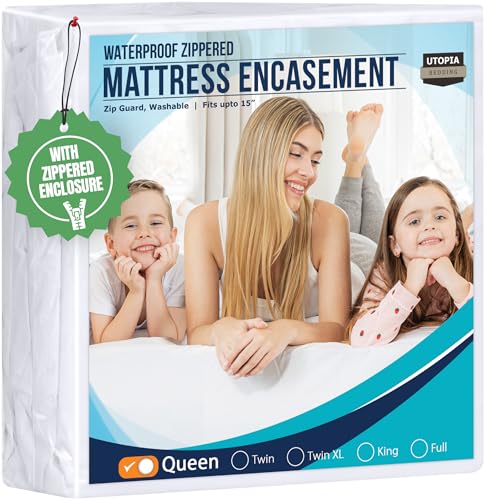
- Dust mite mattress encasement cover queen size allergy protection
- MERV 13 HVAC air filter replacement for allergy relief
- Whole house humidifier for dry winter air with humidistat


Before You Start
Clean surfaces first to reduce accumulated dust before filtration begins. Safety matters: unplug electric devices when cleaning, use a sturdy ladder for high shelves, and wear a mask if you’re sensitive to dust during cleaning. Set clear expectations for how long you’ll run humidifiers and purifiers. Plan a daily schedule for retrieval of allergens and a weekly deep clean to maintain long-term results.
Time estimates vary by home size: a typical room setup can take 60–120 minutes, while whole-house improvements may span several days of light work and routine maintenance.
Step-By-Step: How To Reduce Winter Allergies
- Place a HEPA air purifier for allergies bedroom large room True HEPA filter in the main living area and in bedrooms where symptoms are strongest.
- Run the purifier on a high or auto mode during the daytime and overnight to continuously capture airborne allergens.
- Install a MERV 13 HVAC air filter replacement for allergy relief in your central system to improve overall air quality and reduce circulating particles.
- Schedule periodic deep cleaning with a HEPA vacuum cleaner for dust mites allergies to remove dust, pet dander, and mites from floors, carpets, and upholstery.
- Protect sleep surfaces with a Dust mite mattress encasement cover queen size allergy protection to reduce mite exposure during night hours.
- Operate a Whole house humidifier for dry winter air with humidistat to maintain indoor humidity around 40–50% which helps alleviate nasal dryness without encouraging mold growth.
- Seal common dust entry points by wiping down window frames, sealing gaps, and washing curtains to minimize new allergen introduction.
- Wash bedding weekly in hot water and use allergen-safe detergents to kill dust mites and remove dander.
- Maintain a clean routine by vacuuming soft furnishings, drapes, and pet areas to reduce accumulated particles over time.
- Monitor humidity and airflow to prevent damp, moldy areas that trigger allergies; adjust humidifier and purifiers as seasons change.
- Consider a professional indoor air quality assessment if symptoms persist despite these steps.
- Keep an allergen journal to track which actions correlate with symptom improvement and adjust habits accordingly.
Troubleshooting
| Symptom | Likely Cause | Fix | Prevention |
|---|---|---|---|
| Nasal congestion persists | Insufficient filtration or ongoing indoor dust | Increase purifier use; replace HVAC filter with MERV 13 | Regular cleaning schedule; seal entry points |
| Dry, itchy eyes or throat | Low indoor humidity | Use whole house humidifier to 40–50% | Avoid over-drying by monitoring humidity |
| Dust on surfaces returns quickly | Dust accumulation between cleanings | Increase vacuuming frequency with HEPA vacuum | Encase mattresses and wash textiles regularly |
| Allergen counters rise after cleaning | Airborne particles resettling | Run purifier during and after cleaning | Close doors to rooms while vacuuming |
Common Mistakes
- Using non-HEPA vacuums that stir up dust rather than capture it.
- Setting humidifiers to excessive humidity, which can encourage mold growth.
- Forgetting to replace HVAC filters on schedule, allowing buildup of irritants.
- Neglecting bedding cleanliness, which sustains dust mites at night.
Addressing these missteps improves indoor air quality and supports ongoing allergy relief with consistent habits.
Tips For Best Results
- Place HEPA units where air circulates most, such as near doorways or central living spaces.
- Match purifier capacity to room size; larger rooms need bigger or multiple units with true HEPA filtration.
- Coordinate humidity and filtration to avoid conflicting conditions (too damp can invite mold).
- Label and maintain maintenance schedules for all devices in a designated system log.
Call A Professional
Consult a professional if allergy symptoms persist despite home improvements, or if there are signs of mold growth, structural moisture problems, or HVAC system issues. Stop signs include persistent coughing, wheezing, or eye irritation that worsens with indoor time, as well as any unusual odors or damp smells around windows, basements, or closets.
FAQ
What is the most effective way to reduce winter allergens indoors?
Use a combination of a true HEPA air purifier, a HEPA vacuum, a dust mite mattress encasement, a MERV 13 HVAC filter, and a controlled humidifier to balance humidity and air quality.
How often should I clean and wash bedding?
Wash bedding weekly in hot water to kill dust mites and remove allergens.
Should I run a humidifier year-round?
Use a humidifier primarily in dry winter months; maintain humidity around 40–50% to avoid mold growth.
When should I replace HVAC filters?
Replace MERV 13 filters according to manufacturer guidance, typically every 1–3 months depending on use and home conditions.
Can I test my home’s air quality?
Yes, professional air quality assessments or consumer IAQ monitors can help identify remaining irritants and guide adjustments.
Buying Guide
When choosing products to combat winter allergies, consider size, efficiency, and ease of use. For filtration, prioritize devices labeled as true HEPA or MERV 13 performance to capture fine particles like pollen, dust, and mites. Noise levels matter for bedrooms and living rooms, so check decibel ratings and auto modes. Energy efficiency helps keep operating costs reasonable over winter. Look for controls that are straightforward and easy to maintain, and consider placement requirements to optimize air circulation in your floor plan. A cohesive kit—comprising a HEPA air purifier for large rooms, a HEPA vacuum, a dust mite mattress encasement, a MERV 13 filter, and a humidifier with humidistat—offers a balanced approach to reducing winter allergy symptoms. After selecting, stay consistent with a cleaning and maintenance routine to sustain results. Is your home ready to breathe easier this season? Start with the essentials, then expand as needed to fit your space and lifestyle.