Entrance mats trap dirt, moisture, and debris brought in from outdoors. Regular cleaning helps extend their life and keep entryways looking tidy. This guide covers practical, step-by-step methods using common tools and products to refresh both outdoor and indoor mats without damaging the fibers.
Quick Answer
Start with a quick shake or vacuum to remove loose dirt, then wash with water and a gentle cleaner. For stubborn stains, spot-treat, scrub with a stiff brush, and rinse. Dry thoroughly before reuse to prevent mold and odor.
What You’ll Need
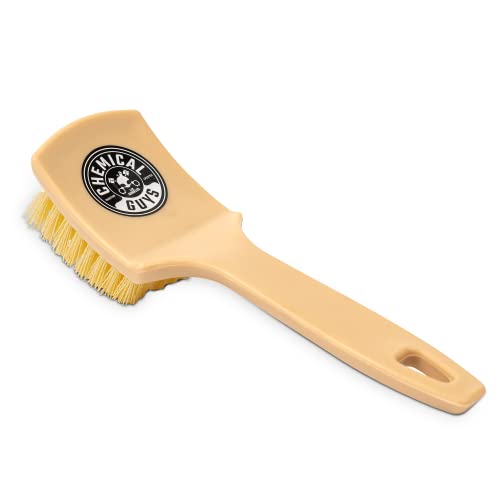
- stiff bristle scrub brush for entrance mats
- carpet cleaner for mats
- outdoor mat cleaning brush set
- mat cleaning solution spray for entrance mats
- industrial carpet extractor for mats (optional for heavy soiled mats)


Before You Start
Prepare a well-ventilated area and protect nearby surfaces from splashes. Check the mat’s care label or manufacturer recommendations to avoid chemical damage. For uneven or textured mats, work from the edges toward the center to lift embedded dirt. Time estimate: 30 minutes for light cleaning, up to 2 hours for deep cleaning and drying.
Caution: Do not use hot water on heat-sensitive mats, and never use bleach on colorfast fibers unless the label approves it. Always wear gloves when handling cleaning solutions and scrubbing brushes.
Step-By-Step: How To Clean Entrance Mats
- Remove the mat from its location and shake vigorously to dislodge loose debris.
- Vacuum both sides to pick up fine dust and hair that brushing may miss.
- Mix a mild cleaning solution with water according to the product label, or use a carpet cleaner formulated for mats.
- Apply the cleaner to the mat surface using a spray bottle or damp sponge, focusing on high-traffic areas with visible stains.
- Using a stiff bristle scrub brush for entrance mats, scrub in a consistent direction to lift dirt from the fibers without fraying edges.
- Rinse the mat thoroughly with clean water. For mats with strong staining, repeat the washing step or use an outdoor mat cleaning brush set for additional agitation.
- If available, run the mat through an industrial carpet extractor for mats to remove deep moisture and residue.
- Allow the mat to drain and lay flat in a sunny or well-ventilated area to dry completely before re-mounting.
- Inspect for remaining stains; repeat targeted spot treatments if necessary, then rinse and dry again.
- Rehang or replace the mat once fully dry to prevent mold and odors from returning.
- Establish a routine cleaning schedule: light cleaning weekly and deep cleaning every 1–3 months, depending on traffic.
- Store extra mats in a dry area and rotate them to minimize wear on any single piece.
Troubleshooting
| Symptom | Likely Cause | Fix | Prevention |
|---|---|---|---|
| Mats still damp after cleaning | Insufficient drainage or thick backing | Press with towels to absorb moisture; elevate edges for airflow | Choose mats with breathable backing; avoid over-wetting |
| Streaks or detergent residue | Over-application or inadequate rinsing | Rinse thoroughly; run through extractor if possible | Use minimal cleaner and rinse completely |
| Color fading or fiber damage | Harsh chemicals or high agitation | Switch to milder cleaner; reduce scrubbing pressure | Test on a small area first |
| Persistent odors | Moisture trapped in backing or deep grime | Clean again and ensure complete drying; consider deodorizing spray | Dry mats promptly and thoroughly after cleaning |
Common Mistakes
- Using hot water or bleach on delicate fibers
- Ignoring post-cleaning drying time, leading to mold
- Over-wetting, which can loosen backing or cause warping
- Skipping pre-cleaning vacuum, leaving grit that abrades fibers during scrubbing
Proper technique reduces wear and preserves color while maintaining a clean, welcoming entrance.
Tips For Best Results
- Pre-treat obvious stains with a targeted spray before scrubbing.
- Work in small sections to avoid over-wetting and to ensure thorough rinsing.
- For heavily soiled mats, consider repeating the cleaning cycle and using an extractor to remove embedded moisture.
- Rotate mats seasonally to evenly distribute wear and sunlight exposure.
- Store spare mats rolled rather than folded to prevent creases that trap dirt.
Call A Professional
Consult a pro if mats are large, permanently stained, or made of specialty materials like high-pile coir or delicate synthetic fibers. Stop signs include persistent odors after cleaning, visible color bleeding, or backing damage. A professional can perform deep cleaning with industrial-grade equipment without risking material damage.
FAQ
Can I use a household carpet cleaner on entry mats?
Yes, if the product is labeled for synthetic fibers and safe for mats. Always follow the manufacturer’s instructions.
How often should entrance mats be cleaned?
Light cleaning weekly and deep cleaning every 1–3 months, depending on foot traffic and location.
What’s the best way to dry mats after cleaning?
Air-dry in a sunny or well-ventilated area, or use a drying rack to elevate edges for airflow.
Are outdoor mats cleaned differently than indoor mats?
Outdoor mats often tolerate tougher cleaning solutions and more vigorous scrubbing due to wear from weather and dirt.
Buying Guide
When choosing mats and cleaning supplies for entryways, consider size, material, and placement. A larger mat at outdoor entry helps trap more debris, while an indoor mat can focus on moisture absorption. Noise and energy efficiency are less relevant for cleaning tools but choose electric cleaners with adjustable settings for efficiency. Look for ergonomic brushes and spray bottles to reduce fatigue during routine cleaning. For homes with pets or heavy foot traffic, invest in deeper-cleaning options like an extractor, and ensure the mat’s backing and fibers are compatible with the chosen cleaning products. Finally, prioritize mats that are easy to remove, rinse, and dry to minimize downtime between cleanings and maintain a neat entryway. Are you balancing budget with durability and performance? A thoughtful combination of the right mats and a consistent cleaning routine offers the best long-term value.