Maintaining a wooden or composite deck without a power washer is practical and eco-friendly. With the right technique and tools, you can remove dirt, moss, and mildew while preserving wood fibers and paint finishes. This guide walks American homeowners through a safe, effective method that delivers solid results without heavy equipment.
Quick Answer
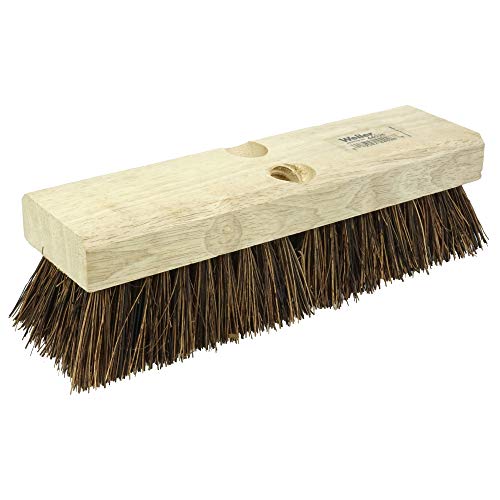
Use a hand- or long-handled deck cleaning brush to scrub with a simple detergent solution, rinse with a garden hose, and repeat as needed. For stubborn growth, switch between a stiff-bristle deck cleaning brush long-handled and a two-sided deck scrub brush with scraper to lift grime and scrape away debris without harming the surface.
What You’ll Need
- Stiff-bristle deck cleaning brush long-handled for tough grime on bare wood
- Wide deck scrub brush outdoor with extension pole to reach higher areas
- Manual deck cleaning brush for wood surfaces for delicate spots
- Two-sided deck scrub brush with scraper to remove heavy buildup and lift loose fibers
- Rubber-bristle deck scrub brush for painted wood to protect painted surfaces


Before You Start
Prepare the area by removing furniture and grasping plants away from the deck. Sweep thoroughly to clear leaves and loose dirt. Test a small hidden area first to confirm that the cleaning brush and detergent do not damage the finish. Use a mild detergent mixed with warm water; avoid harsh chemicals that could irritate skin or damage wood fibers. Wear gloves and eye protection when scrubbing, and ensure pets and children stay clear. Expect a typical cleaning session to take 1–3 hours, depending on deck size and condition.
Step-By-Step: How To Clean A Deck Without A Power Washer
- Clear the deck of all furniture and planters; sweep away loose debris.
- Mix a cleaning solution: warm water with a mild detergent or specialized deck cleaner per product directions.
- Choose an appropriate brush: for bare wood, start with a stiff-bristle deck cleaning brush long-handled; for painted wood, use a rubber-bristle deck scrub brush for painted wood.
- Dip the brush into the solution and begin scrubbing in small sections, using long, even strokes with the grain of the wood.
- For stubborn stains, apply extra detergent to the area and let it sit for 5–10 minutes before scrubbing again.
- Rinse the area with a garden hose, starting from the far edge and working toward the exit so grime flows away from the house.
- Use a two-sided deck scrub brush with scraper on areas with heavy buildup; scrape gently to avoid gouging the surface.
- Rinse thoroughly and repeat as needed. For high-traffic sections, switch to a wide deck scrub brush outdoor with extension pole to reach corners.
- Allow the deck to dry completely; re-sweep any remaining debris and reassemble furniture once dry.
- Inspect for missed spots and perform a quick second pass if necessary.
- Dispose of dirty rinse water away from plants and lawns to prevent chemical runoff.
- Optional: reseal or repaint the deck if the surface appears worn after cleaning.
Troubleshooting
| Symptom | Likely Cause | Fix | Prevention |
|---|---|---|---|
| Streaks after rinse | Uneven cleaning or drying | Re-scrub small areas; rinse evenly | Maintain consistent strokes and thorough rinsing |
| Drying takes long | Deep-seated grime or dense wood | Spot-clean with stronger brush and longer contact time | Regular cleaning to prevent buildup |
| Paint peeling when scrubbing | Old paint or poor adhesion | Use gentler brush and test in a hidden spot; prepare for repaint | Apply appropriate prep before painting next season |
| Scratches on wood | Hard scrubbing or metal-edge scraper | Switch to softer brush and use scraper gently | Use the right brush for the surface |
Common Mistakes To Avoid
- Using a power washer or high-pressure spray for delicate surfaces — it can gouge or lift fibers.
- Letting cleaner dry on the surface before scrubbing — it can leave residues that stain.
- Scrubbing against the grain on old or delicate boards — this can cause splintering or scratches.
- Neglecting to rinse thoroughly — residual cleaner may attract more dirt.
Tips For Best Results
- Start with the gentlest cleaning method and only escalate to stiffer brushes as needed.
- Work in shade or during cooler parts of the day to prevent quick drying and streaking.
- Test every cleaner in a small area before full application to ensure compatibility with stain or paint.
- Keep a consistent cleaning rhythm: two to three passes per section with thorough rinsing between passes.
- After cleaning, consider applying a protective sealant or fresh stain to extend the deck’s life.
Call A Professional
Consider professional help if the deck shows extensive rot, structural damage, or if staining is deeply embedded and won’t lift with manual scrubbing. Seek expert advice if you notice warped boards, loose nails, or mold growth that persists after cleaning. If you are unsure about the right cleaner for your finish, consult a pro before proceeding.
FAQ
Can I clean a deck without any special tools?
Yes. A basic stiff-bristle brush and household detergent can handle most tasks, but specialized brushes help with stubborn grime and delicate finishes.
How often should I clean my deck without a power washer?
For moderate use, clean twice a year—spring and fall—plus spot-clean as needed to maintain appearance and prevent mildew.
Is it safe to use bleach on a deck?
Bleach can damage wood and kill plants; use a deck cleaner designed for wood and follow label directions carefully. Rinse thoroughly after use.
What about painted decks?
Use a softer brush to protect paint, and avoid aggressive scrubbing that could wear down the coating. Repaint when color looks worn.
Can I seal or stain immediately after cleaning?
Yes, but ensure the deck is completely dry to prevent trapping moisture under the stain or sealant.
Should I use hot water?
Warm water improves cleaning efficiency, but avoid boiling temperatures that could warp wood or degrade finishes.
Buying Guide
Choosing the right tools and approach for cleaning a deck without a power washer depends on surface type, finish, and the degree of grime. Consider size, grip, and reach when selecting a brush and handle configuration. Noise and energy use are not major factors here, but tool weight and ergonomics affect comfort during long scrubbing sessions. Look for brushes with soft-to-stiff bristles to match painted versus bare wood surfaces. For larger or multi-story decks, a wide deck scrub brush outdoor with extension pole can reduce strain. Finally, test brushes on a hidden area to verify that the fibers won’t scratch or damage the surface. With the right combination of brushes and detergents, a clean, refreshed deck is achievable without a power washer. Is it time to schedule a seasonal cleaning and plan maintenance steps to protect the wood or coating? A proactive approach helps extend the life and beauty of outdoor spaces.