Many drivers see the tire pressure monitoring system (TPMS) alert when a tire is underinflated or when sensors need a relearn after maintenance. Properly diagnosing and addressing the cause can prevent tire wear, improve fuel efficiency, and keep vehicle safety metrics accurate. This guide provides practical steps and tools commonly used in households and repair shops across the United States.
By following a structured approach—from quick checks to using dedicated TPMS tools—you can safely reset the light and maintain consistent tire pressure readings. The focus is on practical actions and reliable equipment that US drivers can access.
Quick Answer
First confirm all tires are at the recommended pressure with a reliable gauge. If the light remains after inflation, use a universal TPMS relearn tool or OBD2 TPMS reset tool to perform a relearn with your vehicle. If sensors are faulty or a tire was replaced, a relearn may be required. Regularly check tire pressure and perform periodic relearns as needed.
What You’ll Need
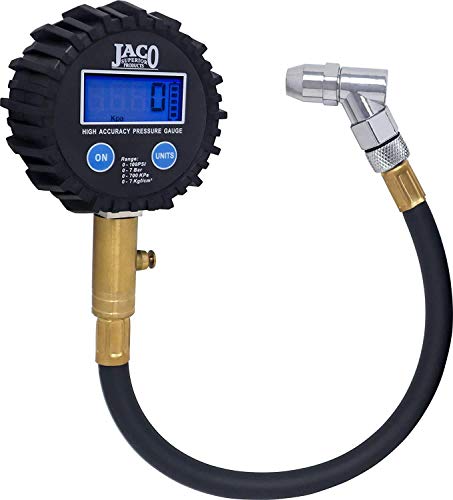
- Digital tire pressure gauge with bleed valve
- Tire inflator with built-in pressure gauge
- OBD2 TPMS reset tool
- Universal TPMS relearn tool
- Tire pressure monitoring system service tool


Before You Start
Ensure your vehicle is on a flat, level surface and the engine is off before checking tire pressure. Use the vehicle’s recommended tire pressure from the door jamb sticker or owner’s manual, not the max pressure printed on the tire sidewall. Wear safety glasses and avoid overinflating tires to prevent a burst. Have a basic understanding of TPMS cycles; many vehicles require a specific sequence to relearn sensors after inflation, rotation, or replacement.
Step-By-Step: How To Reset A Tire Pressure Light
- Park on a level surface and turn off the engine. Engage the parking brake for safety.
- Use the digital tire pressure gauge with bleed valve to check each tire’s current pressure. Compare with the manufacturer’s recommended specification.
- Inflate tires to the recommended pressure. If a tire is consistently losing air, inspect for punctures or leaks before proceeding.
- Once all tires are close to spec, use the tire inflator with built-in pressure gauge to recheck accuracy. Document readings if needed for reference.
- Connect the OBD2 TPMS reset tool to the vehicle’s OBD-II port. Follow the tool’s prompts to access the TPMS system and initiate a relearn if instructed by the vehicle or manual.
- If the search requires a relearn method, use the universal TPMS relearn tool or tire pressure monitoring system service tool per the tool’s directions. This typically involves cycling key-on, closing doors, and triggering the relearn procedure in the vehicle’s menu.
- Drive the car at a moderate speed (often 30–50 mph) for 10–20 minutes to complete the relearn process. Some vehicles require a short drive with TPMS warnings cleared by the tool.
- Check the dashboard light again. If it remains, re-check all tires for leaks, verify sensor battery status, and confirm that the TPMS is compatible with the current sensor IDs. Consider repeating the relearn if the light persists.
- If the light still stays on after multiple attempts, inspect or replace a faulty TPMS sensor or seek professional service. Avoid driving long distances with an unresolved TPMS light because it indicates tire pressure deviations or sensor issues.
- Record the final tire pressures and the date of the relearn for future maintenance. Periodic checks help prevent reoccurrences of the warning.
Troubleshooting
| Symptom | Likely Cause | Fix | Prevention |
|---|---|---|---|
| TPMS light stays on after inflation | Sensor not recognized or relearn not completed | Retry relearn with OBD2 or relearn tool | Note vehicle-specific relearn steps in manual |
| One tire keeps losing air | Leak or nail puncture | Repair or replace tire, then relearn | Regular tire inspections |
| TPMS light returns shortly after reset | Weak or old TPMS sensor | Test sensor battery or replace sensor | Document sensor IDs when replacing wheels |
| Inconsistent readings on gauge | Faulty gauge or bleed valve issue | Calibrate or replace gauge | Use a rated gauge for accuracy |
Common Mistakes
- Overinflating tires beyond the vehicle’s recommended pressure
- Ignoring uneven pressure readings between tires
- Using the wrong relearn sequence for a specific vehicle
- Relying on the speedometer or dashboard light alone without verifying tire pressure
Tips For Best Results
- Check tire pressures when tires are cold for the most accurate readings
- Keep a small, accurate digital gauge in the glove box for quick checks
- Pair the relearn tool with the vehicle’s manual for the correct sequence
- Record sensor IDs after tire work to ease future maintenance
- Inspect tires and TPMS sensors at least twice a year or after long trips
Call A Professional
Seek professional help if the TPMS light stays on after multiple relearn attempts, a tire shows a slow leak that cannot be fixed with a plug, or if you suspect a faulty TPMS sensor battery. Stop driving if tire pressure is dangerously low or if there are warning signs of tire damage. A professional can diagnose sensor faults, perform system programming, and ensure overall vehicle safety.
FAQ
Why is my TPMS light on after inflating tires?
The system may require a relearn after inflation, a sensor issue, or a need to reset the ECU.
Can I relearn TPMS without special tools?
Some vehicles support manual relearn steps, but many require a TPMS tool or OBD-II device.
How often should TPMS be serviced?
Inspect TPMS sensors during tire rotations or replacements and when replacing tires.
What should I do if the light blinks?
A blinking light often indicates a severe TPMS fault or sensor communication issue; seek professional service promptly.
Buying Guide
When selecting TPMS equipment or accessories, consider factors such as size and compatibility, noise level of tools, energy efficiency, and control options. Think about where you’ll do most work—home garage or on-road service—and choose a kit that covers common needs: relearn capability, OBD-II integration, and accurate pressure readings. A flexible kit that includes both a universal relearn tool and an OBD2 TPMS reset tool provides versatility for different vehicle makes. Look for durable construction, clear instructions, and reliable customer support. If you frequently rotate tires or replace sensors, a dedicated tire pressure monitoring system service tool can save time and reduce on-road downtime. Do you own multiple vehicles or plan professional-level maintenance? A compact, all-in-one kit may be the best fit.