Slate surfaces add a natural beauty to kitchens, bathrooms, and floors. Proper cleaning preserves their color and texture while preventing damage. This guide covers safe methods, recommended products, and practical steps for everyday upkeep.
Quick Answer
Use a pH-neutral slate cleaner to avoid etching the stone. Gently scrub with a stiff-bristle brush for stubborn grime, then wipe with a microfiber cloth. Sealers help protect exposed surfaces after cleaning.
What You’ll Need
- Slate Cleaner Spray pH Neutral Stone Cleaner — a gentler clean that preserves finish
- Slate Tile Cleaning Brush Stiff Bristles — targets dirt in texture without scratching
- Microfiber Cloth Slate Cleaning — absorbs moisture and picks up residue
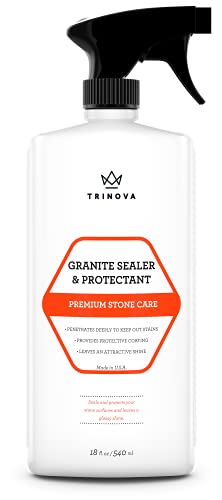
- Slate Stone Sealer Protector — helps prevent staining on porous slate
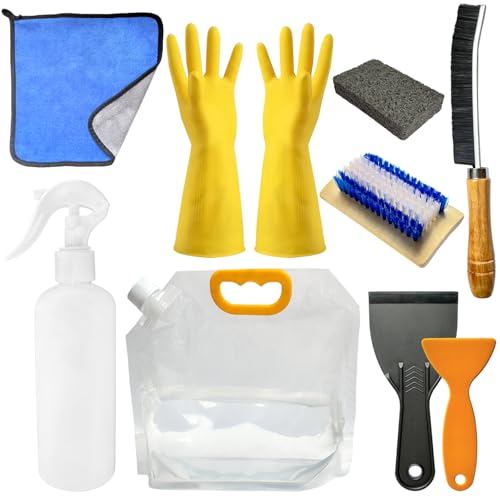
- Slate Cleaning Kit — convenient bundle with essential tools

Before You Start
Clear the area and remove loose debris. Test any cleaner in a small, inconspicuous spot first to verify colorfastness. Work in a well-ventilated area and protect adjacent surfaces from splashes. Time estimate: 20–40 minutes for routine cleaning; up to 2 hours for deep cleaning and sealing. Important: avoid acidic cleaners (vinegar, lemon) on natural slate as they can dull the finish.
Step-By-Step: How To Clean Slate Surfaces
- Remove loose dust with a dry microfiber cloth to prevent scratch transfer.
- Spray the Slate Cleaner Spray pH Neutral Stone Cleaner evenly over the surface.
- Let the cleaner sit for 1–2 minutes to loosen grime.
- Use the Slate Tile Cleaning Brush Stiff Bristles to scrub in a gentle, circular motion, paying attention to grout lines or texture.
- Wipe away residue with a damp microfiber cloth, working in small sections.
- Rinse the area with clean water if the surface feels slippery or sticky.
- Dry thoroughly with a clean microfiber cloth to prevent water spots.
- If stains remain, repeat the wash or try a spot test with a gentler method before applying a sealer.
- Once dry, consider applying a Slate Stone Sealer Protector to enhance resistance to spills.
- Allow the sealer to cure per product instructions before using the area heavily.
- Store cleaning supplies out of reach of children and pets after use.
- Periodically inspect slate surfaces for dullness or staining and reseal as recommended by the manufacturer.
Troubleshooting
| Symptom | Likely Cause | Fix | Prevention |
|---|---|---|---|
| White haze after cleaning | Residual cleaner or soap film | Wipe with a damp microfiber cloth until clear | Rinse with clean water after cleaning |
| Stains that don’t lift | Deep-set mineral or oil stain | Spot clean with a compatible cleaner and reseal if needed | Wipe spills promptly; avoid oily residues |
| Color dulling | Harsh cleaner or improper sealing | Reevaluate cleaner choice; consult product guidelines | Use pH-neutral cleaners only; follow sealing schedule |
Common Mistakes
- Using acidic cleaners on slate
- Over-wetting porous slate during cleaning
- Scrubbing too aggressively and scratching texture
- Skipping sealing after cleaning in porous areas
Addressing these helps maintain color, texture, and longevity of slate surfaces.
Tips For Best Results
- Commit to a routine: light cleaning weekly, deep cleaning monthly for busy areas.
- Always test cleaners in a small area first to avoid surface damage.
- Use a microfiber cloth for the final wipe to minimize lint and streaks.
- Seal porous slate after cleaning and drying to reduce future staining.
Call A Professional
Consider expert help if slate shows extensive cracking, flaking, or if staining does not respond to standard cleaning and sealing. Stop signs include persistent dullness after cleaning, persistent stains despite resealing, or structural damage to the slate surface.
FAQ
Can I use vinegar on slate?
No. Vinegar and other acids can etch and dull slate finishes; use pH-neutral cleaners instead.
How often should slate be sealed?
Porous slate typically benefits from sealing every 1–3 years, depending on use and cleaning frequency.
Is a steam cleaner safe on slate?
Steam can be risky on natural slate and grout; check manufacturer guidance or use a conventional cleaner instead.
What should I do if the slate gets scratched?
Minor scratches can often be minimized with a gentle polish or sealant; deeper damage may require professional assessment.
Buying Guide
Choosing the right cleaning and protection kit for slate depends on several factors. Consider size and area type (countertop, flooring, or shower slate), noise level of tools if you prefer manual brushing, and energy-efficient options for powered cleaning. Look for pH-neutral formulas to protect the finish and a sealer compatible with your slate’s porosity. Controls matter: spray bottles, brush stiffness, and the ability to combine products in a single slate cleaning kit can simplify routines. Placement matters too: ensure that any cleaner or sealer can be applied evenly without drips onto adjacent materials. In practice, a balanced kit that includes a slate cleaner, a stiff-bristle brush, a microfiber cloth, a sealer, and a comprehensive cleaning kit offers the most versatile solution for homes across the United States. If you’re unsure, start with a test spot and expand to larger areas as you gain confidence.