Removing semen odor from fabrics, carpets, or bathroom areas requires a systematic approach that targets both moisture and odor-causing molecules. Using enzyme-based cleaners and odor-neutralizing sprays can help break down organic residues and leave spaces fresh. This guide provides practical steps, safe product options, and best practices for households.
By following these steps, readers can minimize lingering smells while preserving fabric and surface integrity. Always test cleaners on a small, inconspicuous area before full application to prevent discoloration or damage.
Quick Answer
Address odors with enzyme cleaners that break down organic proteins, then neutralize remaining scent with activated carbon sprays or odor eliminators. Treat affected areas, allow proper dwell time, and re-clean as needed for the best results.
What You’ll Need
- Enzyme cleaner for semen odor removal spray
- Carpet cleaner with enzyme deodorizer for urine and semen
- Enzyme-based laundry stain remover semen odor
- Odor eliminator spray with activated carbon for bathroom
- Urine and odor neutralizing spray enzymatic cleaner
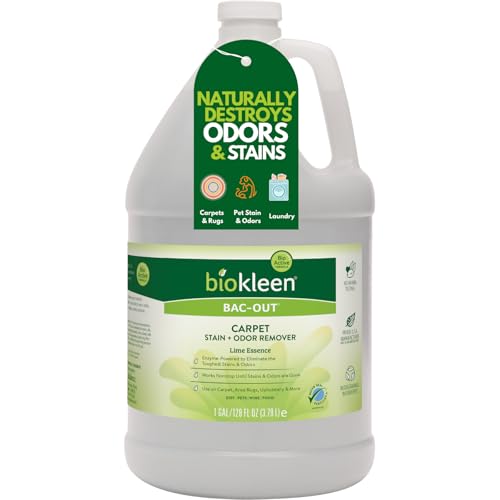


Before You Start
Clear the area and remove loose debris before applying cleaners. For fabrics, gently blot and avoid rubbing to prevent embedding odors deeper. If the odor is persistent on carpet or upholstery, consider multiple treatments with adequate drying time between applications. Wear gloves and ensure good ventilation when using chemical cleaners. For delicate fabrics, follow the manufacturer’s care label instructions and test a hidden area first.
Step-By-Step: How To Remove Semen Odor
- Blot excess moisture from the stain with a clean cloth or paper towels to prevent spreading.
- Apply an enzyme cleaner for semen odor removal spray to the affected area and let it sit for the product’s recommended dwell time.
- Gently work the cleaner into the surface using a soft brush or cloth, then blot again to lift dissolved residues.
- Rinse or blot with clean water if the product instructions require it, and allow the area to air-dry completely.
- For fabrics or carpets, repeat the enzyme treatment if any odor remains after the first pass.
- Once the odor diminishes, apply an odor eliminator spray with activated carbon to trap residual smells and freshen the space.
- For laundry, pre-treat the stained garment with an enzyme-based laundry stain remover semen odor and launder as usual according to fabric care labels.
- Dry thoroughly in a well-ventilated area. Avoid heat if the fabric is heat-sensitive until odor is confirmed gone.
- If odors persist in carpets or upholstery, consider renting a carpet cleaner with enzyme deodorizer and repeating the process.
- Inspect the cleaned area after drying; repeat steps if needed until odor is no longer perceptible.
- Maintain regular cleaning routines for high-traffic spaces to prevent odor buildup.
Troubleshooting
| Symptom | Likely Cause | Fix | Prevention |
|---|---|---|---|
| Smell remains after cleaning | Residues embedded in fibers | Repeat enzyme treatment and ensure thorough drying | Address spills promptly; use enzyme cleaners at first sign |
| Discoloration after cleaner use | Fabric sensitivity or over-saturation | Test first; use milder dilution or alternate cleaner | Spot-test on hidden area before full application |
| Strong odor in bathroom after cleaning | Poor ventilation or lingering moisture | Increase ventilation; run fan during and after cleaning | Keep ambient air moving; dry surfaces completely |
| Odor returns after days | Re-contamination from nearby sources | Identify and clean adjacent areas; repeat focused treatment | Regular maintenance and prompt cleanup after incidents |
Common Mistakes
- Using too much product which can leave residues and attract dirt
- Ignoring fabric care labels or using harsh cleaners on delicate materials
- Rubbing stains instead of blotting, which can push odor deeper
- Assuming heat dries odors completely—some enzymes require air drying
Tips For Best Results
- Choose enzyme-based products for organic stains and odors, as they break down proteins effectively.
- Test cleaners on a hidden area first to prevent dye migration or fabric damage.
- Work from the outer edge of the stain inward to prevent spreading.
- Combine enzymatic cleaning with activated carbon sprays for maximum odor control.
- Allow full drying time between treatments to prevent residual odor from returning.
Call A Professional
Consider a professional cleaner if odors linger after multiple treatments, or if stains are extensive on upholstery, drapes, or wall-to-wall carpeting. Seek immediate help for delicate materials or if water damage is involved, as moisture can worsen odors and mold growth.
FAQ
What naturally neutralizes semen odor?
Enzyme cleaners combined with odor eliminators and proper ventilation are effective for neutralizing odors.
Can I mix cleaners?
Avoid mixing products; follow label directions to prevent chemical reactions or fumes.
How long should I wait after applying enzyme cleaners?
Respect the manufacturer’s recommended dwell time to ensure enzymes fully break down residues.
Is heat safe for dried fabrics?
Check fabric care labels; heat can set odors or damage sensitive materials.
Buying Guide
Choosing the right products depends on the area to treat and the surfaces involved. Consider size, odor strength, and material compatibility. Look for enzyme-based formulas for persistent organic odors and odor eliminators with activated carbon for broad-spectrum freshness. Evaluate how easy the product is to apply, whether it can be used on multiple surfaces, and how quickly it dries. For households with pets or children, opt for formulations with lower VOCs and clear safety instructions. A combination approach—enzyme cleaner for treatment plus an odor neutralizer—often yields the best, long-lasting results.
Buying Factors To Consider
- Size and coverage: Choose products that match the spill area and frequency of use.
- Odor strength: Heavier odors may require multiple treatments with enzyme-based cleaners.
- Surface compatibility: Ensure cleaners are suitable for carpet, fabric, or bathroom surfaces.
- Controls and safety: Look for non-toxic, low-VOC options and child/pet safety notes.
- Placement and storage: Store upright in a cool, dry place away from direct sunlight to preserve effectiveness.