Removing carpet often exposes a dirty, glue-streaked concrete or plywood subfloor. A clean subfloor is essential for a stable install of new flooring and helps prevent future issues. This guide walks American homeowners through a practical, step-by-step process to remove adhesive, debris, and dust, using common tools and safety practices.
Quick Answer
Start with large debris removal, then use a heavy duty floor scraper to remove carpet glue. Follow with an adhesive residue remover for concrete, and finish with an orbital sander for smoothness. Vacuum with a HEPA dust collector to capture fine dust and seal the area as you work.
What You’ll Need
- Heavy duty floor scraper with replaceable blades for carpet glue
- Adhesive residue remover for concrete subfloor
- HEPA dust collector vacuum for construction debris
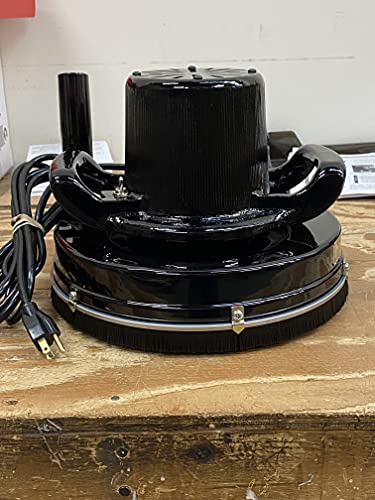
- Orbital sander for concrete subfloor preparation
- Edge sander for subfloor corners and tight spaces
- Protective gear: safety glasses, dust mask, gloves
- Drop cloths or plastic sheeting to seal off areas
- Water and mild detergent for final cleaning


Before You Start
Assess the area for remaining nails, staples, and potential tripping hazards. Ensure proper ventilation and wear a dust mask or respirator when dealing with adhesives and dust. Clear the room, cover vents, and lay down plastic barriers to minimize dust spread. Time estimates vary by room size; plan for several hours on the first pass and additional time for sanding and detailing. Safety caution: if you encounter persistent chemical odors or brittle subfloor sheathing, pause and reassess before continuing.
Step-By-Step: How To Clean Subfloor After Removing Carpet
- Remove all visible debris, staples, and nails from the surface using pliers and a pry bar. A strong floor scraper helps lift remaining glue without gouging the substrate.
- Use the heavy duty floor scraper with replaceable blades to score and lift dried carpet adhesive. Work in small sections, applying steady pressure along the grain of the concrete or plywood.
- Vacuum the area with the HEPA dust collector vacuum to remove loose dust and particles. Move methodically to prevent dust from resettling in crevices.
- Apply the adhesive residue remover for concrete subfloor according to product directions. Allow the solution to dwell briefly, then scrub with a stiff-bristle brush to break down sticky residues.
- Wipe away residue with clean rags or a damp sponge. Rinse the area with a light mist of water to neutralize cleaners, ensuring the surface remains damp but not soaked.
- Use the orbital sander for concrete subfloor preparation to achieve a smooth, even surface. Start with a coarse grit and progressively move to a finer grit until the surface is uniform.
- Address corners and tight spaces with the edge sander. Carefully maneuver to remove any remaining film or raised glue near walls and thresholds.
- Inspect the entire area for uneven patches. Re-sand any high spots and re-vacuum to remove fine dust. Allow the surface to dry completely before laying new flooring.
Troubleshooting
| Symptom | Likely Cause | Fix | Prevention |
|---|---|---|---|
| Dust lingers after vacuuming | Insufficient suction or leaks in the vacuum system | Check seals, replace bags/filters, run a second pass | Seal doors, use a dust barrier, limit airflow during work |
| Adhesive refuses to lift | Very old or heat-softened glue | Reapply adhesive remover and extend dwell time | Test small area first to gauge effectiveness |
| Surface feels rough after sanding | Inconsistent grit progression or clogged sander pad | Clean pad, switch to finer grit and re-sand | Use fresh paper and maintain even pressure |
| Dust is dispersing into air | Inadequate containment | Re-seal plastic barriers and run vacuum with intake near work area | Set up secondary containment if needed |
Common Mistakes
- Rushing the adhesive removal step and skipping dwell times
- Using overly wet cleaning methods that saturate the subfloor
- Ignoring corners and edges where glue hides
- Neglecting a proper seal and containment plan, increasing dust spread
Tips For Best Results
- Test a small area with the adhesive remover before full application to confirm compatibility with the substrate.
- Work in dry, controlled conditions to prevent moisture damage and ensure better dust control.
- Maintain sharp blades on the floor scraper for efficient glue removal and to minimize substrate gouges.
- Vacuum frequently between steps to keep dust from settling into adhesive or sanding trenches.
- Inspect the flooring surface from multiple angles to catch unseen glue patches or high spots.
Call A Professional
Stop and consult a pro if the subfloor shows structural damage, significant moisture intrusion, or delamination. Signs that require expert advice include soft or creaking areas underfoot, persistent warping, or large glue patches that seem to bond with the substrate.
FAQ
How long should I wait after applying adhesive remover?
Follow the product directions; most removers require a brief dwell time to soften glue for safe removal.
Can I use a regular vacuum for this job?
Using a HEPA-filter vacuum is strongly recommended to capture fine dust and contractor debris.
Is it necessary to sand the entire subfloor?
For a smooth, uniform surface and good bond, sand the entire area, paying attention to edges and corners.
What should I do with the dust after cleaning?
Dispose of debris according to local regulations and seal off the area to prevent dust spread during disposal.
Buying Guide
When selecting tools to clean a subfloor after carpet removal, consider size, power, and compatibility with your workspace. A heavy duty floor scraper with replaceable blades is essential for glue removal, while an adhesive remover helps with stubborn residues on concrete. A HEPA dust collector vacuum improves air quality and protects occupants. An orbital sander and an edge sander streamline leveling and finishing, ensuring a uniformly flat surface for new flooring. For smaller rooms or tight spaces, an edge sander reaches corners effectively. Evaluate tool weight, motor power, grip comfort, noise levels, and safety features to balance efficiency with user comfort. Look for readily available blades and compatible replacement parts to minimize downtime. Finally, verify that you have appropriate safety gear and containment measures to manage dust and debris throughout the project.