Tar odors can linger after smoke exposure, fire damage, or industrial odors. This guide outlines effective, practical steps to reduce and neutralize tar smells using household products and air treatment tools available in the American market. The approach focuses on containment, absorption, filtration, and deodorization to restore a fresh indoor environment.
Quick Answer
Act quickly, ventilate the space, and combine absorption with filtration. Use activated charcoal odor absorber bags to soak up particles, deploy an HEPA air purifier with activated carbon for continual cleanup, and consider an odor neutralizer spray or gel for immediate surface relief. For persistent, strong odors, an ozone generator can help, but only when the area is unoccupied and properly ventilated after treatment.
What You’ll Need
- Activated charcoal odor absorber bag
- HEPA air purifier smoke odor remover
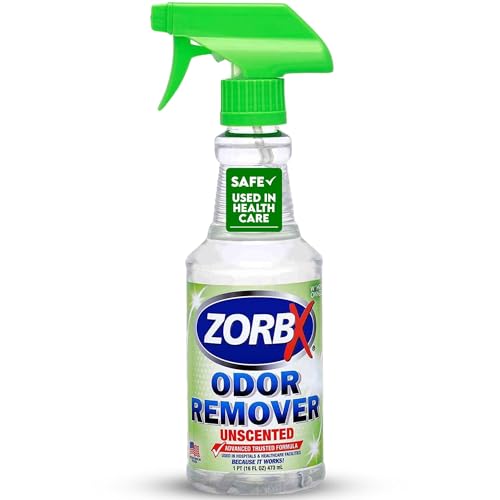
- Odor neutralizer spray tar smell
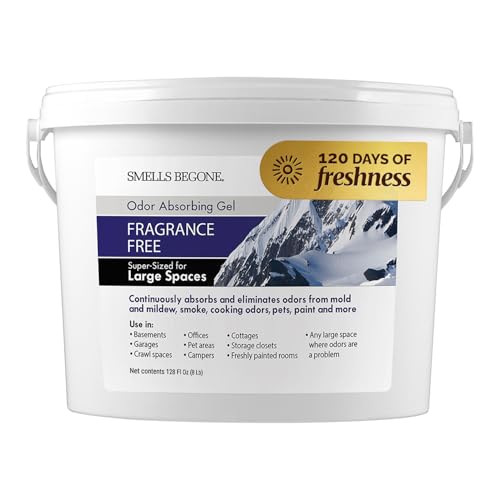
- Odor eliminating gel for strong odors tar
- Ozone generator for odor removal
- Clean disposable gloves
- Drop cloths or plastic sheeting
- Vinegar or baking soda (optional deodorizing agents)

Before You Start
Before beginning, identify all affected rooms and sealing routes (doors, vents). Close off the area to prevent odor spread to adjacent spaces. Turn off electrical devices in the treatment area before using ozone generators. Ensure adequate ventilation when using any deodorizing sprays and gels. Budget time for airing out spaces after treatment; plan for several hours to a full day depending on odor intensity and room size.
Step-By-Step: How To Get Rid Of Tar Smell In A Home
- Assess the source and minimize fresh emissions. If tar residues are still releasing fumes, clean up involved surfaces with appropriate cleaners to reduce ongoing odor generation.
- Ventilate the space. Open windows and use cross-ventilation to carry odor-laden air outside. Run any installed HVAC with filters clean and set to recirculation if advised by technicians.
- Place activated charcoal odor absorber bags around the room. Position several units in corners and near odor hotspots to maximize contact with volatile compounds.
- Deploy a HEPA air purifier with carbon filtration. Run continuously for several hours in each affected area to capture fine particles and absorb gases.
- Use odor neutralizer spray for targeted surfaces. Lightly mist non-porous surfaces and fabrics; avoid soaking delicate materials. Allow treated surfaces to dry before re-entry.
- If odors persist, consider an ozone generator with strict safety measures. Run only when spaces are unoccupied and follow manufacturer instructions. After treatment, ventilate thoroughly before re-entering and never reoccupy until air quality is tested or the space is well aired.
- Repeat treatments as needed. Tar odors can diminish gradually; if the smell lingers, reintroduce filtration and absorption steps for another cycle.
<liConsider odor eliminating gel for persistent odors. Place gels in strategic locations to continuously release neutralizing agents over days, especially in enclosed spaces.
Troubleshooting
| Symptom | Likely Cause | Fix | Prevention |
|---|---|---|---|
| Odor persists after initial treatment | Insufficient coverage or hidden tar sources | Reposition absorbers, add more purifiers, check for undetected residues | Address tar sources during cleanup to reduce recurring release |
| Strong chemical smell after using products | Overuse of sprays or gels on porous surfaces | Wipe surfaces with water and mild detergent; limit sprays on fabrics | Use products as directed and test on small areas first |
| Ozone odor or fatigue after treatment | Ozone exposure and inadequate ventilation | Increase ventilation and wait longer before re-entry | Do not use ozone in occupied spaces; schedule during absences |
| Visible tar residue remains | Oil-based residue on surfaces | Clean with appropriate solvent or degreaser per surface type | Clean promptly after tar exposure to prevent set-in odors |
Common Mistakes
- Relying on a single deodorizing method for strong odors
- Using ozone generators without proper safety precautions
- Spraying heavily on porous fabrics without airing out
- Ignoring hidden tar sources like walls, ceilings, or ventilation ducts
Tips For Best Results
- Combine methods: absorption, filtration, and deodorization for a synergistic effect.
- Place multiple activated charcoal bags at varying heights to target different odor layers.
- Run the HEPA purifier on a medium-to-high setting for extended periods during cleanup.
- Seal off treatment areas to prevent cross-contamination with nonaffected spaces.
- Document progress by noting odor strength before and after each round of treatment.
Call A Professional
Call a professional if tar odors persist after multiple treatments, or if there is any suspicion of contamination in hidden spaces, insulation, or structural materials. Seek immediate help for water damage, mold, or fire-related hazards, as these require specialized remediation beyond consumer products.
FAQ
What is the fastest way to remove tar smell from a room?
Ventilate, use activated charcoal bags, and run a HEPA air purifier with carbon filtration. Follow with targeted sprays or gels for surfaces with lingering odor.
Can I use an ozone generator indoors?
Only when spaces are unoccupied and properly sealed from occupants and pets; after treatment, ventilate thoroughly before re-entry.
Are charcoal odor absorbers safe for pets?
Yes, when used as directed; place them away from pet access and ensure there is adequate air exchange to prevent inhalation of released vapors.
How long does tar odor removal typically take?
Results vary by room size and odor intensity; plan for several hours to a few days with multiple treatment cycles if needed.
Buying Guide
When choosing products to combat tar odors, consider size and room coverage, noise level, energy efficiency, and placement flexibility.
- Size and coverage: Select activated charcoal bags and air purifiers sized for the square footage of the affected area. Larger rooms may require multiple units.
- Noise level: Look for quiet operation settings, especially for bedrooms or study areas.
- Energy efficiency: Choose energy-efficient purifiers and timers to maximize long-term use without high electricity bills.
- Controls and ease of use: Prefer models with straightforward controls, filter indicators, and easy filter replacements.
- Placement and flexibility: Opt for devices with portable designs and adjustable stands or mounting options to reach problem zones.
- Deodorizing options: A combination of carbon filtration, gels, and sprays can provide both long-term and immediate relief.
- Safety: Verify safety warnings for any ozone-generating devices and follow labeled directions strictly.
Considering these factors helps ensure a balanced approach that addresses both immediate smells and long-term air quality. Is a multi-product strategy right for your space, or do you need a single high-capacity purifier? A thoughtful combination often yields the best outcomes without excessive costs.