Sticky protein stains can come from common kitchen and dining mishaps, such as meat juices, dairy drips, or egg splatters. Prompt cleaning minimizes set-in stains and makes cleanup quicker. This guide explains practical methods and the right tools to restore surfaces without causing damage.
By following a structured approach, homeowners can tackle protein residues on multiple surfaces—from countertops to glass and plastics—using products designed to break down proteins and lift them away. The steps emphasize safety, efficiency, and maintaining surface integrity.
Quick Answer
Target the stain fast with an enzyme-based cleaner to break down protein, then scrub with a plastic scraper for stubborn bits and finish with a microfiber cloth to wipe clean. For sticky residues on non-food surfaces, a gel solvent can help dissolve adhesive-like proteins without harsh scrubbing.
Always test cleaners on a hidden area first and work from the edges toward the center to prevent spreading.
What You’ll Need
Gather tools and supplies that specifically address protein-based stickiness. The following items are recommended based on common household stains:
- Enzyme-based protein stain remover spray 16 oz – breaks down organic matter for easier removal
- Adhesive residue remover gel solvent 4 oz – effective on kitchen surfaces with sticky films
- Plastic scraper for sticky residue 1 inch blade – gently lifts softened matter without scratching
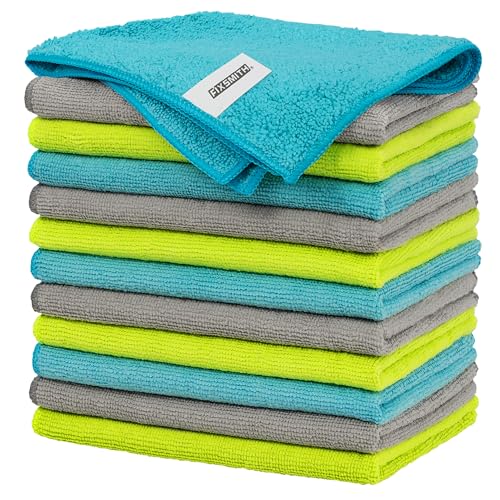
- Microfiber cleaning cloth set for protein stain removal 12 pack – absorbent and lint-free for streak-free results
- Spray bottle for cleaning sticky protein residue 16 oz – convenient for applying cleaners evenly


Before You Start
Before cleaning, consider surface type, as different materials respond to cleaners in distinct ways. Check manufacturer guidelines when available. Work in a well-ventilated area and wear gloves to prevent skin irritation from cleaners.
Time estimate: 15–30 minutes for typical kitchen spills; tougher stains may take longer with multiple treatments. Individual surface sensitivity and stain age affect results. Caution: avoid abrasive pads on delicate finishes, and never mix cleaners with bleach or ammonia as dangerous fumes can occur.
Step-By-Step: How To Remove Sticky Protein Residue
- Identify the surface and test a small, inconspicuous area with enzyme-based cleaner to ensure no discoloration.
- Lightly mist the stain with the enzyme-based protein stain remover spray and let sit for 3–5 minutes to activate enzymes.
- Gently scrape the softened residue with the plastic scraper for sticky residue starting at the edge and working inward.
- Reapply a small amount of cleaner and wipe with a microfiber cleaning cloth set, using circular motions to lift remaining particles.
- If adhesive-like film remains, apply a thin line of adhesive residue remover gel solvent and wait 1–2 minutes before repeating scrubbing with the scraper and cloth.
- Rinse the area with clean water or wipe with a damp microfiber cloth to remove cleaner residues.
- Dry the surface with a dry microfiber cloth to prevent new residue from attracting dust.
- For persistent stains on porous surfaces, repeat the steps or consider a second treatment with enzyme cleaner, allowing adequate dwell time between applications.
- Inspect under good lighting and repeat steps as needed until the surface is clean and residue-free.
- Store cleaners in their original containers and label new surfaces with a reminder for future maintenance.
- Dispose of used cloths and any disposable wipes properly to prevent cross-contamination of other areas.
Troubleshooting
| Symptom | Likely Cause | Fix | Prevention |
|---|---|---|---|
| Stain reappears after cleaning | Residue remained in the fibers or on the surface | Re-clean with enzyme cleaner and a fresh microfiber cloth | Treat spills promptly; blot, don’t rub, to prevent spreading |
| Surface discolors after cleaner use | Cleaning agent reacts with surface finish | Cease use on that area and test alternative cleaner | Always test small area first |
| Sticky film persists after gel solvent | Film is thick or deeply set | Apply gel solvent again, allow longer dwell, then wipe | Address spills quickly to prevent film buildup |
Common Mistakes
- Using abrasive tools that scratch surfaces
- Rubbing too aggressively, which can spread stain
- Using bleach or ammonia with other cleaners
- Failing to test cleaners on hidden areas
Stains typically respond best to enzyme action and careful lifting with a plastic scraper rather than muscular scrubbing. Patience stops damage and improves outcomes.
Tips For Best Results
- Apply cleaners in a controlled spray to avoid oversaturation on surrounding areas
- Work from the outside edges of the stain toward the center to prevent spreading
- Keep a dedicated microfiber cloth for protein cleaning to avoid cross-contamination
- Consider a dual-cleaning approach: first enzymes, then a gel solvent for stubborn films
- Schedule periodic maintenance to prevent buildup on frequently used surfaces
Call A Professional
Seek professional help if:
- The stain covers a large area or affects expensive or antique surfaces
- There is persistent discoloration after multiple cleanings
- POROUS materials show signs of swelling, warping, or odor that cleaners cannot remove
Pro services can assess material safety, offer advanced stain removal methods, and minimize risk of damage.
FAQ
Can enzyme cleaners remove all protein stains?
Enzyme-based cleaners are effective on most protein stains, but some surfaces or long-set stains may require multiple applications or alternative methods.
Is it safe to use gel solvent on kitchen countertops?
Gel solvents are generally safe on many kitchen surfaces when tested first, but avoid porous or unfinished surfaces where solvents could cause damage.
How do I prevent protein stains in the future?
Wipe spills promptly with a damp cloth, use protective mats, and clean surfaces regularly to minimize residue buildup.
What surfaces are most challenging with sticky protein residues?
Porous materials like wood, untreated stone, or fabric require gentle cleaning methods and may need professional care for best results.
Should I mix cleaners?
No. Mixing cleaners can release toxic fumes or reduce effectiveness. Use one product at a time as directed.
What if staining occurs after cleaning with enzyme spray?
Revisit the area with a fresh microfiber cloth and reapply enzyme cleaner; consider following with a gel solvent if needed.
Is heat or warm water helpful for sticky protein?
Warm water can aid rinsing but avoid high heat on delicate surfaces; test first.
How long should I wait after applying cleaners?
Allow enzymes to dwell for 3–5 minutes; gel solvents typically require 1–2 minutes for effectiveness.
Buying Guide
Choosing the right tools and products for protein stain removal involves considering surface type, stain age, and frequency of use. The following factors help buyers compare options and select effective solutions.
- Surface compatibility: Ensure cleaners are safe for countertops, glass, plastics, and appliances you own.
- Stain strength and dwell time: Enzyme cleaners offer quick action, while solvents may need brief wait times for best results.
- Application method: Sprays are convenient; gels provide targeted action on sticky films; consider a spray bottle for easy coverage.
- Toolset completeness: A kit with a plastic scraper and microfiber cloths supports a full cleaning workflow.
- Noise and energy considerations: Cleaning tools are generally quiet and non-electric; ergonomic design reduces fatigue during scrubbing.
- Storage and safety: Look for clearly labeled containers with safety instructions and a compact storage footprint.
- Cost per use: Evaluate the size and concentration to estimate long-term value and reusability.
- Brand reliability and reviews: Seek products with positive feedback on protein stain removal performance.
When evaluating options, consider pairing an enzyme-based spray with a gel solvent for stubborn films and a dedicated plastic scraper to prevent damage during lifting. A 16 oz spray and a 4 oz gel solvent cover common cleaning scenarios, while a 12-pack of microfiber cloths ensures you always have a fresh surface for wiping.