Strawberry stains are common but stubborn, especially on light fabrics and carpets. With a few targeted steps and the right products, most strawberry stains lift without damaging the material. This guide outlines a practical, step-by-step approach for clothing, upholstery, and carpet.
From pre-treating with a stain remover pen to using enzyme cleaners and oxygen bleach, readers will find a clear plan to tackle fresh and set-in stains alike. The recommendations below balance effectiveness with safety for typical household fabrics and surfaces.
Quick Answer
Act fast on fresh stains to prevent setting. Blot, don’t rub, then apply a targeted stain remover pen or enzyme laundry spray. For durability, follow with oxygen bleach on color-safe fabrics and a fabric brush for gentle agitation. For carpets, use a carpet stain remover spray designed for juice stains and blot until dry.
What You’ll Need
Below is a practical toolkit built around the provided product keywords. Gather these items before you start to streamline the process.
- Stain remover pen strawberry stain removal for clothes – convenient for spot treating fabrics
- Enzyme laundry stain remover spray strawberry stains – breaks down fruit sugars and proteins
- Oxygen bleach powder stain remover for fruit stains – effective on color-safe whites and lights
- Fabric stain brush for strawberry stains – gentle agitation to lift marks
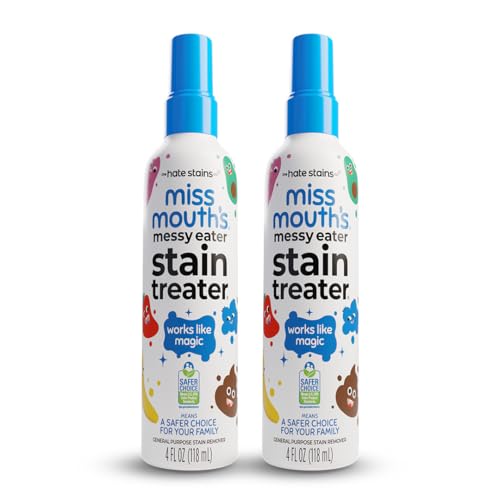
- Carpet stain remover spray strawberry juice – designed for upholstery and carpets


Before You Start
Assess the fabric or surface type and check care labels. Test any cleaner in a hidden area first, especially on delicate fabrics. For carpets and upholstery, work on a small inconspicuous patch to ensure colorfastness. Time estimates: 15–60 minutes for initial treatment; up to several hours for set-in stains, with air drying in between.
Cautions: Do not mix cleaners unless the product instructions authorize it. Avoid hot water on fresh fruit stains, which can set the stain. Wear gloves when handling cleaners to protect the skin.
Step-By-Step: How To Remove Strawberry Stains
- Blot the stain with a clean cloth or paper towel to remove excess juice without spreading it.
- Test cleaners on a hidden area of the fabric to verify safety before full application.
- Apply stain remover pen to the stained fabric and gently dab, working from the outside in to prevent feathering. Let sit 5–10 minutes.
- Use enzyme spray for fabrics that permit liquids. Spray evenly, then lightly blot and allow to sit 5–15 minutes to break down sugars and proteins.
- Rinse and launder per fabric care instructions, using the recommended water temperature. For whites or light colors, consider a dose of oxygen bleach powder stain remover for fruit stains following label directions.
- Gently agitate with a fabric stain brush for strawberry stains to lift residual pigment on textiles that tolerate brushing.
- Check before drying—if the stain persists, repeat treatments or switch to a second method for the same item.
- For carpets or upholstery, spray a light layer of carpet stain remover spray strawberry juice, blot with a clean cloth, and repeat as needed. Allow to air dry completely.
- Air dry and reassess after laundering or cleaning; heat can set remaining pigment, so avoid dryers until the stain is fully removed.
- Repeat if necessary on stubborn stains, using alternate products from the list to target different stain components.
- Prevent future stains by treating spots promptly and using fabric protectors after cleaning, if appropriate for the material.
Troubleshooting
| Symptom | Likely Cause | Fix | Prevention |
|---|---|---|---|
| Stain remains after washing | Stain is set or too concentrated | Re-treat with enzyme spray and oxygen bleach per label, rewash | Treat promptly; avoid heat prior to complete removal |
| Discoloration on fabric | Bleach reaction on color-safe fabric | Switch to color-safe stain removers and skip bleaching powder | Always test first; follow care label |
| Stain spreads during cleaning | Rubbing or applying from edge outward | Blot and dab gently; use outer-to-center technique | blot-free, pat-dab method |
| Carpet stain reappears after drying | Stain trace still present | Repeat treatment with carpet-specific remover and blot thoroughly | Work in small sections to avoid over-wetting |
Common Mistakes
- Rubbing stains vigorously, which can embed pigment deeper into fibers
- Using hot water on fresh fruit stains, which can set them
- Trying too many cleaners at once, risking fiber damage or color loss
- Ignoring care labels or mixing incompatible products
Tips For Best Results
- Apply cleaners promptly to minimize staining time.
- Blot rather than rub to lift juice without spreading.
- For delicate fabrics, prioritize enzymatic cleaners that are gentle yet effective.
- When cleaning carpets, work from the edge of the stain toward the center to contain the area.
- After successful treatment, consider a fabric protector suitable for the material to reduce future staining.
Call A Professional
Contact a professional cleaner if stains cover large areas, involve delicate materials (silk, suede, leather), or if previous attempts have damaged the fabric’s texture or color. Seek immediate advice for antique or valuable textiles, and for any stains on upholstery with unclear materials.
FAQ
Can strawberry stains be removed from all fabrics?
Removal depends on fabric type and care labels. Most cottons and synthetics respond well to enzyme cleaners and oxygen bleach on color-safe colors.
Is it safe to use oxygen bleach on all fabrics?
No. Oxygen bleach should be used only on color-safe fabrics as indicated by the care label.
How long should I wait after applying stain remover before washing?
Most products suggest 5–15 minutes to let enzymes or cleaners work before washing.
What should I do if the stain reappears after washing?
Reapply a targeted stain remover and rewash. If stubborn, consider a different type of cleaner or professional help.
Can I use stain remover on carpets and upholstery?
Yes, but use products specifically designed for fabrics and follow the label directions for carpet or furniture use.
Does heat set strawberry stains?
Yes. Avoid using heat until the stain is fully removed, as heat can set pigment.
Buying Guide
When choosing products for strawberry stain removal, consider a few key buying factors to ensure effective, safe results across clothes and home fabrics.
Size and concentration
Look for stain remover pens for quick spot treatments on clothing and a ready-to-use spray for larger areas. Concentrated formulas may require dilution as directed.
Effectiveness on different materials
Enzyme-based cleaners excel on protein-rich stains like fruit. Oxygen bleach is useful for color-safe whitening but must be avoided on dark or delicate fabrics unless approved by care labels.
Noisy or quiet operation (for spray products)
Carpet and fabric sprays vary in nozzle design and dispersion. A fine mist delivered evenly helps prevent over-wetting and runoff.
Safety and care compatibility
Always verify care labels and perform a patch test. Choose products that are dermatologist-tested or approved for household use if sensitive skin or allergies are a concern.
Placement Considerations
Apply stain removers in well-ventilated areas and avoid direct sunlight on treated fabrics during drying. For carpets, treat stains before vacuuming to maximize pigment removal and prevent dirt embedding.