Sticker residue on books can be stubborn, especially on delicate pages or paperback covers. This guide covers practical, safe methods to lift adhesive without damaging paper, ink, or bindings. Readers will learn quick fixes, proper tools, and step-by-step procedures to restore a clean, readable book surface.
Quick Answer
Best first approach: gently rub with a microfiber cloth dampened with isopropyl alcohol wipe for light residue, then switch to a plastic scraper card for stubborn spots. For delicate pages, use a gel adhesive remover solvent and test a hidden corner first. Always proceed slowly to prevent tearing or ink bleed.
What You’ll Need
- adhesive remover for paper books sticker residue
- gel adhesive remover solvent for delicate book pages
- plastic scraper card for sticker residue removal from books
- microfiber cloth for cleaning sticker glue off books
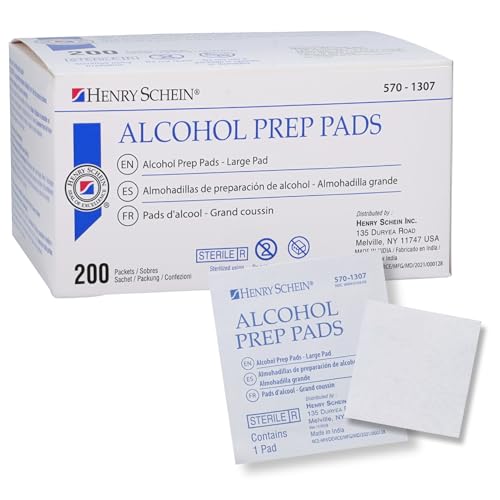
- isopropyl alcohol wipe for sticker residue on books


Before You Start
Assess the sticker and surface area. Begin on a flat, clean workspace and avoid soaking pages. Put weight on the book’s spine when necessary to keep pages steady. Test any cleaner on a small, inconspicuous area first to ensure no color transfer or page distortion. Plan for a patient session—larger blobs of adhesive may require multiple gentle passes.
Step-By-Step: How To Remove Sticker Residue From Books
- Protect the pages by placing a clean sheet of paper under the edge where residue is present.
- Gently rub the adhesive with a microfiber cloth lightly moistened with isopropyl alcohol wipe to lift a thin layer.
- If residue remains, apply a small amount of adhesive remover for paper books sticker residue to a cotton swab and dab only the sticky area.
- Wait 15–30 seconds for the solvent to work, then test with a plastic scraper card at a shallow angle to lift the edge of the residue.
- Continue gently lifting and wiping; repeat steps 3–4 as needed for stubborn patches.
- For delicate pages, switch to gel adhesive remover solvent for delicate book pages and apply sparingly, avoiding inked areas.
- Wipe away loosened glue with a fresh microfiber cloth; avoid scrubbing to prevent page abrasion.
- Inspect both sides of the affected page and repeat if any stickiness remains, ensuring no fibers or glue tear away with the paper.
- Let the page air-dry completely before closing the book or placing it back on a shelf.
- For layered stickers, lift as much as possible with the card, then use a blotting motion with the alcohol wipe to finish.
- Store tools in a dry, clean area to avoid contaminating future cleaning tasks.
Troubleshooting
| Symptom | Likely Cause | Fix | Prevention |
|---|---|---|---|
| Ink smudging after cleaning | Excess moisture or solvent near inked areas | Use minimal liquid; dab with a dry cloth after brief contact | Test in a hidden area; use gentler solvents |
| Paper tearing | Scrubbing or aggressive scraping | Switch to light touch and a softer tool | Work slowly; lengthen the process if needed |
| Sticky residue reappears | Residual glue remaining after initial pass | Apply a second light application of gel remover or adhesive remover | Avoid over-wetting; keep sessions brief |
| Color transfer or fading | Solvent contacting the cover or text | Isolate the area and use milder methods | Test first; use less aggressive solvents |
Common Mistakes
- Using too much solvent at once, leading to page damage
- Scrubbing instead of lifting the adhesive
- Ignoring test patches on hidden areas
- Not allowing the page to dry completely before handling
Keeping these errors in check helps protect book integrity and preserves print quality.
Tips For Best Results
- Always start with the mildest method: dry rubbing with a microfiber cloth before applying liquids.
- Use a plastic scraper card rather than metal tools to avoid scratching pages.
- Work on one small area at a time to control moisture exposure.
- Store open containers away from books to prevent accidental spills.
- Label cleaning tools to prevent cross-contamination between projects.
Call A Professional
Seek professional help if a sticker residue remains after multiple cautious attempts, or if the book is rare, valuable, or highly compromised. Do not attempt aggressive chemical cleaning on antique or fragile bindings, as this can irreversibly damage the cover, spine, or ink.
FAQ
Can I use household alcohol to remove sticker residue?
Isopropyl alcohol is commonly effective in small amounts, but test first and avoid soaking the page.
Is there a safe alternative to solvents for vintage books?
Yes, a mild microfiber wipe and gentle lifting with a plastic card can work on many surfaces without chemicals.
Should I clean both sides of the page?
Only clean the visibly affected side; if residue spreads, approach with extra caution and consider professional help.
Will cleaning affect book value?
Proper, careful cleaning typically preserves value; aggressive methods can reduce it.
Buying Guide
When selecting tools and products for sticker residue removal on books, consider several factors. Size and grip matter for comfortable handling during delicate work. Noise level is minor but relevant for late-night projects. Energy efficiency plays a role mainly for any powered tools, which are often unnecessary here. Controls should be simple and precise to avoid overuse of solvents. Placement matters—clean, dry, dust-free surfaces help prevent recontamination. For best results, pair a gentle adhesive remover with a soft cloth and a plastic scraper card, and always perform a spot test before full-scale cleaning. If you’re comparing options, look for products designed for paper and book pages to minimize risk of ink bleed or page distortion. Have a plan for completing tasks in stages rather than in one long session to maintain control and care for the book’s integrity. Accessorize with microfiber cloths and a non-staining wipe to keep residue from transferring elsewhere. If in doubt, prioritize gentler methods first and consult product guidelines or a professional.