Keeping a Primo water dispenser clean protects your drinking water quality and extends the life of the unit. This guide provides a practical, step-by-step approach using common accessories designed for Primo systems and bottleless setups. Readers will learn how to sanitize tanks, clear mineral buildup, and restore fresh-tasting water without disassembly beyond what’s necessary.
Proper maintenance is straightforward when you have the right tools and a clear routine. The process covers surface cleaning, descaling mineral buildup, and sanitizing the internal components that contact water. Following these steps helps prevent mold, bacteria growth, and odor, ensuring your dispenser remains safe and pleasant for everyday use.
Quick Answer
Fast method: Prepare a cleaning solution with descaler tablets or bottleless sanitizing tablets, apply with a dedicated brush kit, circulate through the system, rinse thoroughly, and allow the unit to dry before use. For routine maintenance, combine a light monthly wipe-down with quarterly deeper sanitization using the Primo cleaning kit and maintenance kit.
What You’ll Need
- Primo water dispenser cleaning kit
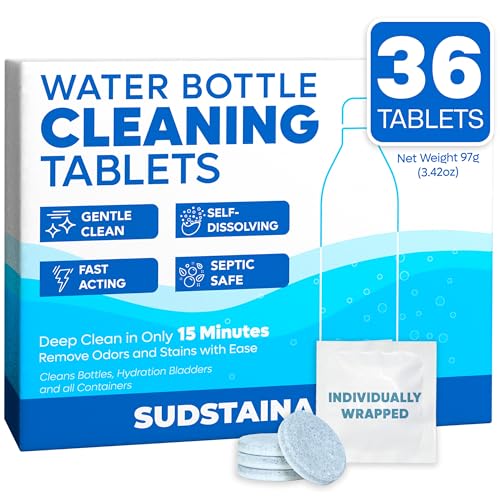
- water cooler descaler tablets for cleaning
- bottleless water dispenser sanitizing tablets
- water dispenser brush cleaning kit
- Primo water dispenser maintenance kit


Before You Start
Before beginning, unplug the unit and move it away from walls or cabinets to access water lines. Read the user manual for any model-specific cautions. Wear gloves to protect skin from cleaning solutions and rinse water thoroughly to avoid residue. Plan for a 60–90 minute window for a thorough cleaning, with extra time for thorough rinsing. Avoid mixing strong cleaners with incompatible sanitizers as this can create harmful byproducts. Ensure the water supply is disconnected during cleaning and that all parts are dry before reassembly.
Step-By-Step: How To Clean A Primo Water Dispenser
- Unplug the dispenser and remove any detachable taps or reservoirs as allowed by the model’s design.
- Wipe the exterior surfaces with a damp cloth, then dry with a clean towel to remove dust, fingerprints, and spills.
- Prepare the descaler solution following the tablet package directions and dissolve it in warm water if recommended by the product.
- Introduce the cleaning solution into the reservoir or through the dispensing system using the Primo water dispenser cleaning kit, ensuring it circulates through all lines.
- Let the solution sit for the recommended dwell time to break down mineral buildup and slime without prolonged exposure that could damage seals.
- Rinse by flushing clean water through the unit multiple times until the taste and odor of the solution are gone, using the water dispenser brush cleaning kit to scrub hard-to-reach areas if needed.
- Sanitize the system with bottleless water dispenser sanitizing tablets, following the product directions for contact time and quantity.
- Rinse again thoroughly to remove all sanitizer traces, then allow the unit to air-dry completely before reconnecting power and water supply.
- Reassemble any removed parts and run a few empty cycles to ensure the system is fully primed with fresh water before normal use.
- Record the date of cleaning in a maintenance log and schedule the next routine cleaning based on usage and water quality.
- Run a final inspection: check for leaks, verify the temperature settings, and confirm there is no unusual taste or odor in the water.
- Dispose of cleaning waste according to local regulations and wipe down the area to prevent spills from drying residue.
Troubleshooting
| Symptom | Likely Cause | Fix | Prevention |
|---|---|---|---|
| Water tastes off after cleaning | Incomplete rinse | Flush longer; run additional cycle with clean water | Rinse until taste is neutral |
| Dispenser leaks after maintenance | Loose fittings or seals | Inspect and tighten connections; replace worn seals | Regularly check fittings during maintenance |
| Weak flow or no water | Air trapped in line or blocked filter | Bleed air by running cycles; replace filter if present | Ensure the supply line is clear and correctly connected |
| Persistent odor | Residue in reservoir | Additional rinse and sanitize cycle | Clean more frequently if odor recurs |
Common Mistakes
- Using a cleaning agent not approved for drinking water systems
- Skipping the rinse cycle, leaving sanitizer residues
- Over-soaking seals, which can cause hardening or cracking
- Not drying parts fully before reassembly, risking mold growth
- Failing to document maintenance, leading to missed schedules
Tips For Best Results
- Schedule maintenance during a low-usage period to minimize disruption.
- Always follow the manufacturer’s dwell times for tablets and descalers.
- Use a dedicated brush kit to reach under spouts and into crevices.
- Keep spare seals and gaskets on hand from the Primo maintenance kit for quick replacements.
- Temper cleaning solutions with water as directed to prevent damage to plastic components.
Call A Professional
Stop and call a professional if there is persistent leakage, significant mineral buildup resistant to cleaning, or signs of contamination such as cloudy water or unusual taste after multiple cleaning cycles. Do not attempt to disassemble sealed refrigerant or heat-exchange components. If the unit is under warranty, contact the manufacturer before performing major repairs to avoid voiding coverage.
FAQ
How often should I clean a Primo water dispenser?
Most users benefit from a light wipe-down monthly and a full cleaning every 3–6 months, depending on water quality and usage patterns.
Can I use any descaler with Primo systems?
Use descaler tablets and sanitizing tablets specifically labeled for use with drinking water dispensers to avoid chemical incompatibilities.
Is it safe to sanitize the system without disassembly?
Yes, many sanitizing steps are designed to be performed without full disassembly, following the kit instructions carefully.
What should I do if the water still tastes bad after cleaning?
Rinse more thoroughly, test for residual sanitizer, and consider replacing filters or checking the water source for contamination.
Can I clean a bottleless Primo dispenser the same way?
Yes, bottleless units use similar sanitizing tablets and descalers, but follow the unit’s specific maintenance guidance for optimal results.
Is professional maintenance necessary for every Primo unit?
Not usually, but complex issues, persistent leaks, or warranty-covered components may require professional service.
Buying Guide
When selecting maintenance supplies for a Primo water dispenser, consider size, compatibility, and ease of use. Look for a complete maintenance kit that includes a cleaning kit, descaler tablets, sanitizing tablets, and a dedicated brush kit. Consider the following factors:
- <bSize and fit: Ensure the kit components align with your Primo model and bottleless configuration.
- <bEase of use: Pre-measured tablets and straightforward instructions save time and reduce error.
- <bDescaling power: Descaler tablets should effectively dissolve mineral buildup without damaging seals.
- <bSanitization efficacy: Sanitizing tablets should provide a safe, food-grade sanitizing cycle with clear contact times.
- <bMaintenance cadence: Choose products that support both routine wipe-downs and quarterly deep cleanings.
- <bAvailability: Availability of replacement parts and replacement seals via the Primo maintenance kit helps prevent downtime.
- <bPlacement and storage: Store cleaning supplies in a cool, dry place and keep them out of reach of children.
For households with hard water or older units, consider more frequent maintenance or additional descaling cycles. If you have a bottleless system, ensure the sanitizing agents are compatible with the filtration setup. Always follow label directions and the manufacturer’s recommendations for best results.