Stale cigarette odor can cling to fabrics, walls, and HVAC systems long after smoking has stopped. This guide provides practical steps using common air-cleaning tools to reduce and remove cigarette smoke odors from a home environment in a safe, effective way.
By following a structured approach that combines ventilation, filtration, and odor absorption, American homes can achieve noticeably fresher indoor air without invasive renovations.
Quick Answer
Ventilate extensively, deploy an air purifier with activated carbon, and supplement with portable odor absorbers. For persistent smells, use an ozone-based purifier only in unoccupied spaces and follow all safety instructions. Use activated charcoal bags for ongoing odor control in problem areas.
What You’ll Need
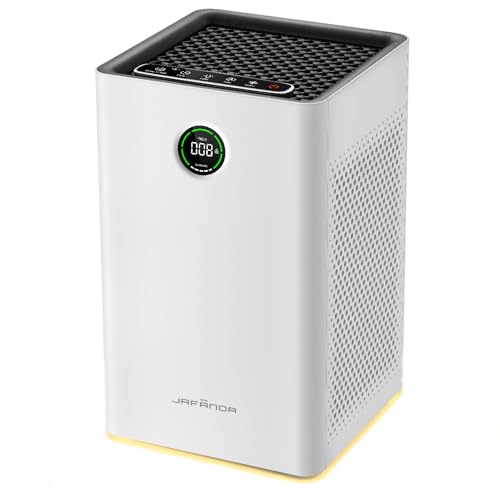
- HEPA air purifier with activated carbon filter for cigarette smoke removal
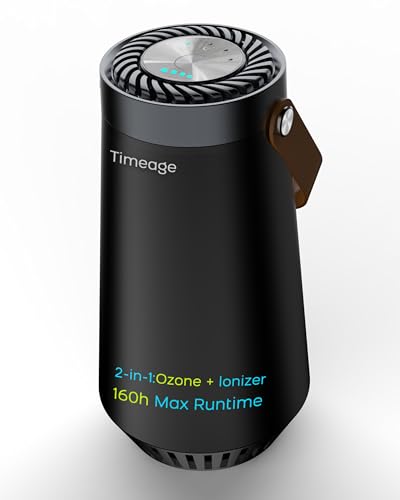
- ozone air purifier for cigarette smoke odor removal
- portable air purifier for smoke-filled room with carbon filter
- activated charcoal odor absorber bags for cigarette smoke smell
- smoke odor control machine with pre-filter and carbon filter

Before You Start
Clear rooms to improve air flow during treatment. Open windows where weather permits and run fans to create cross-ventilation. Do not operate ozone purifiers in occupied spaces and follow all manufacturer safety guidelines. Estimate 4–24 hours for initial results, with additional passes for heavy odors. Protect floors and fabrics with removable covers where feasible to prevent rapid odor reabsorption.
Step-By-Step: How To Remove Stale Cigarette Smell
- Identify the most odor-prone areas: living spaces, bedrooms, and the basement. Focus purification efforts there first.
- Ventilate the space by opening doors and windows to exchange air with the outdoors.
- Place a HEPA air purifier with a carbon filter in the primary living area for continuous odor removal.
- Run the purifier on high for several hours, then reduce to a maintenance setting as odors fade.
- Set up portable air purifiers with carbon filters in smaller rooms or near odor sources for targeted cleanup.
- Introduce activated charcoal odor absorber bags in corners and near smoke-prone fabrics or upholstery.
- Consider a smoke odor control machine with pre-filter and carbon filter for deeper filtration, especially in rooms with heavy smoke exposure.
- Wash washable fabrics (curtains, pillow covers, slipcovers) and launder soft furnishings that trap smoke particles.
- Clean hard surfaces with a mild detergent and wipe walls where smoke residue may accumulate.
- Replace HVAC or furnace filters to prevent recirculating odors through the ventilation system.
- Run air purifiers for a full day in each affected area, rotating rooms to maximize coverage.
- Reassess odor levels after 24–48 hours and repeat steps as needed for stubborn smells.
Troubleshooting
| Symptom | Likely Cause | Fix | Prevention |
|---|---|---|---|
| Smell lingers after cleaning | Insufficient filtration or fabric absorption | Increase purifier run time; wash fabrics | Regular odor control maintenance |
| Odor seems to shift or intensify | Poor ventilation or carbon filter saturation | Improve cross-ventilation; replace carbon filters | Stagger purifier placement around rooms |
| Ozone purifier causes irritation | Used in occupied spaces | Only operate in unoccupied areas; follow safety instructions | Schedule during trips or away times |
| New smoke smell appears after cleaning | Residual smoke in textiles | Deep-clean upholstery and curtains; consider professional odor remediation | Use odor absorbers periodically |
Common Mistakes
- Relying on a single deodorizing method instead of combining filtration and absorption
- Using humidifiers or cleaners without cleaning surfaces first
- Neglecting ductwork and HVAC filtration, allowing re-circulated odors
- Running ozone purifiers in occupied rooms without proper safeguards
Tips For Best Results
- Run multiple purifiers in different rooms to cover a larger area quickly.
- Place absorbers near sources such as couches, drapes, and fabric chairs for targeted odor control.
- Wash or dry-clean fabrics that frequently absorb smoke to reduce lingering scents.
- Keep windows open during purification cycles to expedite odor removal when weather permits.
- Label and rotate purifier use to maintain even air-cleaning across rooms.
Call A Professional
Contact a pro if odors persist after 2–3 weeks or if there is visible smoke staining on walls or ceilings. Seek help for extensive ductwork cleaning, furniture restoration, or if you suspect hidden mold or mildew contributing to odors. If respiratory symptoms appear or worsen, consult a healthcare professional for guidance and consider professional air-quality testing.
FAQ
What is the best way to remove cigarette smoke from upholstery?
Loosen odors with washable covers, then launder fabrics and use an activated carbon filter purifier to reduce residual particles.
Can an air purifier alone remove cigarette odor?
Air purifiers help a lot, especially those with activated carbon, but odor removal is most effective with a combination of filtration, cleaning of fabrics, and ventilation.
Is ozone cleaning safe for homes?
Ozone cleaners should only be used in unoccupied spaces and following all safety guidelines to avoid respiratory irritation.
How long does it take to remove cigarette smell?
Initial improvements can be seen within hours, but complete odor removal may take several days to weeks depending on the severity and room use.
Buying Guide
Choosing the right odor-control setup involves considering room size, odor intensity, and preferred maintenance. A combination of filtration-focused devices and odor absorbers typically yields the best results in American homes. Key factors include:
- Size and coverage: Select units rated for the room square footage and consider multiple units for larger spaces.
- Noise level: Look for devices with quiet modes for bedrooms or living areas.
- Energy efficiency: Compare energy use across models to minimize running costs during long purification cycles.
- Controls: Simple timers, auto modes, and filter-life indicators help maintain effectiveness.
- Placement: Position purifiers away from walls and obstructions; use portable units for flexible coverage.
When evaluating options, consider a mix of a primary purifier with activated carbon filtration, plus portable units for targeted rooms. For persistent odors, incorporating odor-absorbing bags and a dedicated odor-control machine can supplement filtration. If odor problems are localized to fabric-heavy areas, prioritize fabric cleansing alongside purifier use. Would you benefit from a combined approach that leverages a central purifier and targeted absorbers? A well-planned setup often yields the most reliable results.