Fishy odors in a dishwasher are a common frustration for many households. Odors can arise from food residues, stagnant water, or greasy film that lingers after cycles. With a few targeted steps and the right tools, a dishwasher can stay fresh, clean, and odor-free. The following guide provides practical, user-friendly methods tailored for American kitchens.
By following these steps, users can reduce lingering smells, improve cleaning performance, and extend the life of their appliance. The plan relies on accessible products such as dishwasher deodorizer tablets lemon scent, dishwasher cleaning brush and scrubber kit, dishwasher filter cleaning brush, dishwasher odor remover spray, and automatic dishwasher freshening tablet to tackle odor at its source.
Quick Answer
Short version: clean with a dedicated deodorizing product, scrub the filter and spray areas where buildup occurs, run a hot wash with a freshening tablet, and repeat weekly to prevent odor buildup.
What You’ll Need
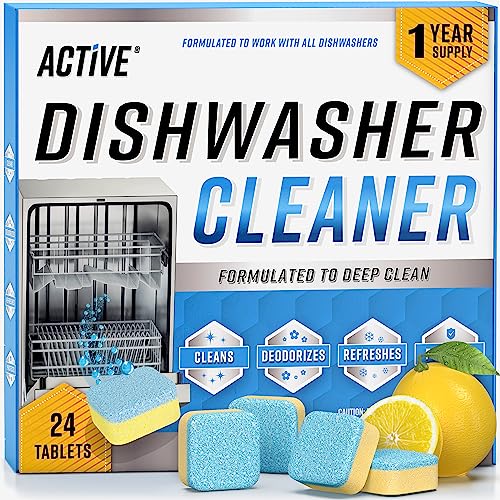
- Dishwasher deodorizer tablets lemon scent
- Dishwasher cleaning brush and scrubber kit
- Dishwasher filter cleaning brush
- Dishwasher odor remover spray
- Automatic dishwasher freshening tablet


Before You Start
Before beginning the odor removal process, ensure the dishwasher is empty and the door seal is intact. Turn off power at the breaker if you need to access internal components and disconnect the water supply if you plan to remove the bottom access panel. Allow the interior to cool if it has been recently used. Time estimates vary; a thorough cleaning typically takes 45–90 minutes depending on buildup.
Safety notes: use gloves when handling cleaning brushes, avoid mixing chemical cleaners unless the manufacturer allows it, and ventilate the kitchen when using sprays. If the dishwasher smells strongly of gas or chemical fumes, discontinue and seek professional service.
Step-By-Step: How To Eliminate Fishy Smells In A Dishwasher
- Empty the dishwasher and inspect for debris around the drain and spray arms. Remove visible food particles using a damp cloth.
- Remove the lower rack and use the dishwasher filter cleaning brush to scrub the filter and any accessible pathways. Rinse with warm water to flush particles away.
- Wipe down the door seal and the edges where grime collects. Use the dishwasher odor remover spray to target crevices; wipe away residue after a few minutes.
- Place a automatic dishwasher freshening tablet in the detergent slot or a designated tablet slot if your model supports it, then run a hot water wash on the heaviest cycle with no dishes.
- For stubborn odors, prepare a warm water rinse with a small amount of dishwasher deodorizer tablets lemon scent or a lemon-scented cleaner. Run a second cycle to rinse away any lingering scent.
- Check and clean the spray arms: remove any clogs from the nozzles using a brush or a pin, then reassemble. Run a quick rinse cycle to ensure water flows freely.
- Clean the interior door and racks using the dishwasher cleaning brush and scrubber kit to remove film and residue. Wipe dry with a towel to prevent moisture buildup that could foster odors.
- Run an empty cycle with the interior dry and odor-free. If you still detect smells, repeat the above steps focusing on any stubborn zones such as the sump or lower corners.
- Schedule routine maintenance: weekly quick cleanings and monthly deep cleans help prevent fishy odors from returning.
- Keep the dishwasher door open for a short period after cycles to allow interior air to circulate and dry completely.
- Store cleaning supplies securely away from food areas and avoid using incompatible products together to prevent chemical reactions.
- Test water quality if your water supply is hard or heavily chlorinated, as mineral deposits can contribute to odors and affect cleaning efficiency.
Troubleshooting
| Symptom | Likely Cause | Fix | Prevention |
|---|---|---|---|
| Persistent fishy odor after cleaning | Residue in hard-to-reach areas | Deep clean the sump area and inspect spray arms | Regular brush and wipe-down after each cycle |
| Musty smell only when dishwasher is empty | Moist environments inside | Leave door ajar after cycles | Dry interior thoroughly with towels |
| Odor returns quickly | Filtration or nozzle clogs | Thorough brush cleaning and rinse | Routine maintenance schedule |
| Unpleasant scent despite freshening tablets | Soap scum buildup | Use targeted cleaner spray on seals and corners | Use high-temperature cycles periodically |
Common Mistakes
- Ignoring the door seal and the lower rack area where buildup collects
- Relying on a single product instead of combining mechanical cleaning with deodorizing agents
- Using too much cleaner, which can leave residues that attract more odor
- Delaying maintenance after noticing a smell, allowing odors to harden
Addressing odors effectively often requires a combination of tools, including the dishwasher filter cleaning brush and the dishwasher odor remover spray, along with periodic use of the automatic dishwasher freshening tablet.
Tips For Best Results
- Schedule a monthly deep clean using hot water and a freshening tablet to maintain freshness between cycles.
- Keep the debris trap clean and clear to prevent smells from forming in the sump.
- Choose a lemon or citrus scent for deodorizer tablets to impart a fresh aroma rather than masking odors with heavy perfumes.
- Avoid overloading the dishwasher; proper water circulation helps detergents reach all surfaces and prevents residue buildup.
- Run large loads on heavy-duty cycles to maximize cleaning power and sanitize the interior.
Call A Professional
Consider a professional service if the odor persists after thorough cleaning or if you notice abnormal noises, leaks, or water not draining properly. Stop signs include persistent smells after multiple deep cleans, pooling water inside the tub, or visible damage to seals and hoses. A pro can diagnose issues with drainage, seals, or internal components that home maintenance cannot safely address.
FAQ
How often should I clean my dishwasher to prevent fishy smells?
Perform a thorough interior clean every 1–2 months and a quick wipe-down weekly to prevent buildup.
Can I use vinegar or baking soda to remove odors?
Vinegar and baking soda can help, but use them cautiously and follow manufacturer guidelines to avoid damage or residue buildup.
Which part is most critical for odor control?
The filter, sump, and door seal are typically the most critical areas where odors originate and should be cleaned regularly.
Is a lemon-scented product better than unscented?
Lemon scents provide a pleasant aroma while cleaning; choose a product that disinfects and deodorizes without leaving harsh residues.
What if odors come back after replacing parts?
Reassess routine maintenance, check for hidden mold, and consider a professional inspection for exhaust or drainage issues.
Should I run hot cycles with nothing inside?
Yes, run a hot cycle with a cleaning product to sanitize and remove odor-causing residues from interior surfaces.
Buying Guide
When selecting odor-control products for a dishwasher, consider size, compatibility, and ease of use. Factors include:
- Size and compatibility: Ensure deodorizer tablets and spray bottles fit your dishwasher model and detergent compartment.
- Noise level and energy efficiency: While odor control is independent of noise, choosing efficient cycles helps reduce energy costs during cleaning.
- Controls and ease of use: Simple, clearly labeled products reduce misuse and improve results.
- Placement and application: Choose products that are easy to apply without disassembling components.
- Maintenance frequency: Pick items that align with your cleaning schedule—weekly brushes paired with monthly deep cleans work well.
For odor control, items like dishwasher deodorizer tablets lemon scent and automatic dishwasher freshening tablet can be part of a rotating regimen with the dishwasher odor remover spray and dishwasher cleaning brush and scrubber kit. By combining mechanical cleaning with targeted products, users can keep their dishwashers fresh and ready for daily use.