Sleep odor in a bedroom can come from a mix of sources such as perspiration, pets, moisture, and fabrics. This guide provides practical, step-by-step methods to reduce or eliminate these smells and keep the room smelling fresh. By combining air cleaning, odor-neutralizing products, and routine cleaning, most bedroom odors can be controlled effectively.
Quick Answer
Identify the odor source, improve humidity control, use an odor-eliminating product on fabrics, and run an air-cleaning device with a carbon filter. Combine regular vacuuming with spot-treating upholstery and consider a dedicated bedroom air purifier with an activated carbon filter for ongoing odor removal.
What You’ll Need
- Bedroom air purifier with activated carbon filter odor removal
- Enzyme odor eliminator for mattress and upholstery bedroom
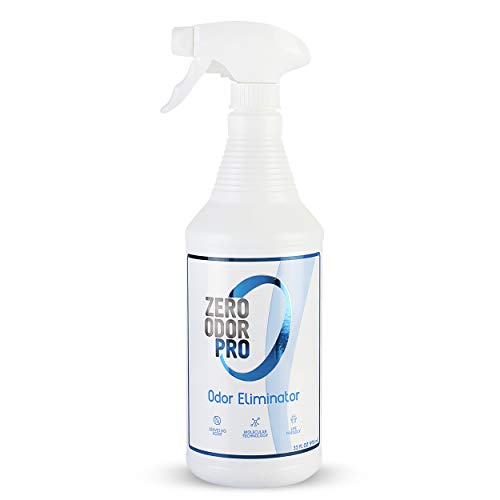
- Odor eliminating spray for fabrics in the bedroom
- Dehumidifier with built-in air purifier for bedroom odor control
- Vacuum cleaner with HEPA and odor removing filter for pet odors in bedroom


Before You Start
Prepare the space by removing clutter and ensuring good airflow. Open windows if weather allows for fresh air exchange. Test products on inconspicuous areas first to prevent fabric damage. Estimate time for a thorough refresh: 2–4 hours for initial odor control, with ongoing weekly maintenance. If anyone in the home has allergies or sensitivities, choose fragrance-free formulations or those labeled hypoallergenic.
Step-By-Step: How To Stop Sleep Odor From Pervading The Bedroom
- Vacuum thoroughly all fabrics, including mattresses, pillows, cushions, and drapes, using a vacuum cleaner with HEPA and odor removing filter for pet odors in bedroom. Focus on seams and edges where skin flakes and hair accumulate.
- Treat fabrics with enzymes odor eliminator on mattresses, upholstered furniture, and fabric headboards. Enzyme-based products break down organic residues that cause persistent smells.
- Apply fabric spray for a fresh scent and immediate odor neutralization to bedsheets, pillowcases, and curtains. Use a light mist to avoid dampness that could promote mold.
- Address moisture with a dehumidifier with built-in air purifier for bedroom odor control. Run it during humid months or when smells intensify to prevent musty odors from developing.
- Clean air with a carbon-filter purifier by running a dedicated bedroom air purifier with activated carbon filter odor removal in a central location. Leave it on for several hours daily, adjusting the fan speed as needed.
- Spot-clean spills and sweat stains on bedding using appropriate cleaners. Blot, don’t rub, and let fabrics dry completely before re-covering the bed.
- Refresh the mattress periodically with an enzyme cleaner or a baking-soda-based treatment. Sprinkle lightly, wait 15–20 minutes, then vacuum away residue.
- Wash or replace textiles regularly. Launder sheets and pillow covers at high heat, and consider washing curtains and blankets every couple of months to reduce odor buildup.
- Invest in long-term controls such as a carbon-based air purifier and consistent cleaning schedule to prevent odor rebound. Combine these strategies for sustained results.
- Monitor for recurring odor after treatments. If smells persist, re-evaluate sources such as pets, humidity, or hidden mold and adjust tools accordingly.
- Schedule periodic deep cleans with a professional service if odors persist despite routine maintenance.
Troubleshooting
| Symptom | Likely Cause | Fix | Prevention |
|---|---|---|---|
| Musty odor remains after cleaning | Moisture buildup or mold hidden behind furniture | Check behind dresser, under bed; use mold-safe cleaners; run dehumidifier | Control humidity year-round; address leaks quickly |
| Pet odors persist | Pet dander and urine residues | Use HEPA vacuum and enzyme odor eliminator; consider pet-specific odor removal spray | Regular pet grooming and frequent laundering |
| Fabric sprays fade quickly | Temporary masking scent | Follow with enzymatic treatment or carbon-filter purifier | Combine with washing and air purification |
| Air purifier alarms or low effectiveness | Carbon filter saturated | Replace or refresh carbon filters as recommended | Schedule routine filter maintenance |
| Allergic reactions or irritation | Overuse of fragrances | Switch to fragrance-free products and reduce spray frequency | Use non-irritating options and maintain clean air |
Common Mistakes
- Relying on a single method; odor control requires multiple approaches working together.
- Letting fabrics stay damp after cleaning, which can promote mold growth.
- Using strong fragrances that mask odors instead of neutralizing them.
- Neglecting to clean behind heavy furniture, where odor sources often hide.
Tips For Best Results
- Run the air purifier at high enough fan speeds during cleaning sessions and keep it in the room.
- Combine enzyme treatments with carbon-based odor removers for best outcomes on mattresses and fabrics.
- Schedule regular washing of bedding and curtains, and vacuum frequently to reduce buildup.
- Keep humidity in a comfortable range (roughly 30–50%) to limit musty odors.
- Position purifiers near suspected odor sources but ensure good room circulation.
Call A Professional
Stop signs to contact a pro include persistent odor after thorough cleaning, visible mold growth, recurring dampness, or ongoing allergic symptoms despite control measures. A licensed HVAC or remediation specialist can assess ventilation, moisture sources, and potential structural issues that contribute to odors.
FAQ
What causes sleep odors in bedrooms?
Common causes include perspiration, body oils, pet dander, moisture, mold, and fabrics that trap odors.
How often should I clean fabrics in a odor-prone bedroom?
Wash bedding weekly during high odor seasons and wash drapes and curtains every few months.
Can I rely on air purifiers alone to remove odors?
Air purifiers with carbon filters help, but best results come from a combination of cleaning fabrics, managing humidity, and direct odor treatments.
Are enzyme cleaners safe for mattresses?
Yes, when used as directed, enzyme cleaners target organic residues on mattresses and upholstery without harsh residues.
What maintenance should I perform on odor-control devices?
Replace carbon filters as recommended and vacuum or wipe down purifier surfaces to prevent buildup.
Should I use fragrance-free products in a sleep odor plan?
Fragrance-free options are often best for sensitive sleepers and to avoid masking odors rather than removing them.
How long does it take to see results from odor elimination efforts?
Most rooms show noticeable improvement within a few days, with full odor reduction over a couple of weeks depending on sources.
Buying Guide
Choosing the right odor-control setup for a bedroom involves several factors that influence effectiveness and comfort. Consider the following to compare options and find the best fit for steady odor management.
Key buying factors
- Size and coverage: Match the purifier or dehumidifier capacity to room square footage. A unit rated for a slightly larger space often performs better with carbon filtration.
- Noise level: For bedrooms, look for models with quiet or night settings to minimize sleep disruption.
- Energy efficiency: Energy Star-rated devices reduce running costs during long-term use.
- Filters and maintenance: Check replacement intervals and the cost of carbon and HEPA filters.
- Controls and scheduling: Digital vs. manual controls, timers, and auto mode help maintain odor control with minimal effort.
- Placement: Place purifiers centrally or near sources of odor, ensuring unobstructed airflow.
- Integrated solutions: A dehumidifier with built-in air purification can simplify setup but may have trade-offs in filtration performance.
Users should weigh how often odors recur, whether fabrics are prone to dampness, and how much noise is acceptable in a sleep space. For households with pets, dedicating a unit with a robust odor-removal filter becomes more critical. Consider starting with a combination of a carbon-filter bedroom air purifier and enzyme-treated fabrics for a balanced approach. If odors persist after several weeks, reassess humidity levels and fabric care routines, or consult a professional for a deeper assessment.