Skunk spray can cling to skin, hair, and clothing, creating a strong, lingering odor that is stubborn to remove. This guide provides practical steps using common household items and targeted products designed for skin and fabric care. It focuses on safety, effectiveness, and minimizing irritation while restoring freshness after a skunk encounter.
The following methods emphasize a proven sequence: immediate rinsing, odor neutralization, and final cleansing to restore skin comfort. Readers should tailor the steps to their skin type and clothing materials, and avoid mixed-use products that could cause irritation.
Quick Answer
Rinse with cool water, then use a deodorizing wash or skin-safe odor remover to break down the spray molecules. Follow with an enzyme-based cleaner for skin or a dedicated odor neutralizer spray for skin and clothing. Finish with a thorough rinse and dry air or a fresh wash of affected fabrics.
What You’ll Need
- skunk odor remover spray for skin
- enzyme odor eliminator cleaner for skin
- odor neutralizer spray for clothing and skin
- activated charcoal odor absorber bag
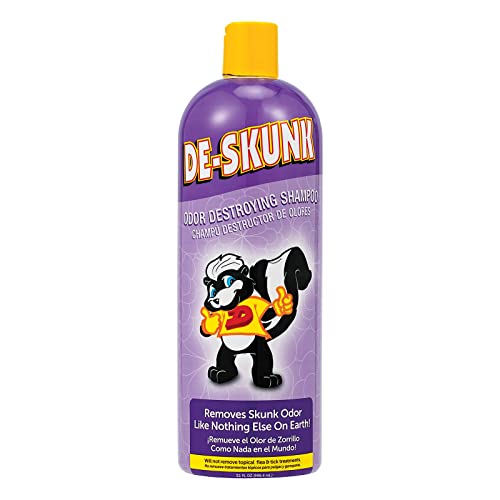
- skunk smell removal body wash


Before You Start
Act quickly to reduce odor absorption. If skin irritation occurs, discontinue use and rinse with plain water. For sensitive skin, patch-test any new product on a small area first. Time is a factor: the sooner you treat skin exposed to skunk spray, the more effective the odor removal will be. Do not mix ammonia or bleach with commercial odor products, as this can produce dangerous fumes.
Think about the scope: odor on skin, hair, and clothing may require separate but coordinated steps. Prepare a clean, well-ventilated area for treatment and have towels ready for cleanup.
Step-By-Step: How To Remove Skunk Odor From Humans
- Rinse exposed skin with cool water to remove loose spray before applying cleaners.
- Gently wash with a skunk smell removal body wash or a skin-safe cleanser to begin breaking down odor molecules.
- Apply skunk odor remover spray for skin to affected areas, following product directions for contact time.
- If odor persists, treat with enzyme odor eliminator cleaner for skin, which uses enzymes to neutralize organic compounds in the spray.
- Rinse thoroughly and pat dry. Avoid hot water, which can set odor for some fabrics and skin types.
- For hair, consider a second pass with a mild shampoo or a product designed to neutralize odor before drying.
- Apply a light mist of odor neutralizer spray for clothing and skin to any exposed clothing or accessories.
- Use a clean towel to absorb excess moisture and air-dry in a ventilated space to prevent lingering fragrance buildup.
- Store any used products in a closed container to prevent cross-contamination with clean items.
- If odor remains after multiple passes, repeat the cleansing sequence with a fresh application of products designed for skin odor control.
- For clothing, wash separately with the same odor-neutralizing approach to prevent retransfer to skin.
- Follow up with a gentle skin moisturizer if irritation occurs after cleansing.
Troubleshooting
| Symptom | Likely Cause | Fix | Prevention |
|---|---|---|---|
| Persistent odor after washing | Spray molecules embedded in hair or fabric | Repeat enzyme-based cleaner and odor neutralizer spray | Treat promptly; avoid delaying cleaning |
| Skin irritation or dryness | Harsh cleaners or sensitive skin reaction | Patch-test products; use milder cleansers and moisturize after | Choose fragrance-free or pediatric formulations for sensitive skin |
| Clothing still smells after wash | Fabric fibers trapped odor molecules | Air out, wash again with odor-neutralizing agents, consider charcoal bags for drying | Pre-treat with odor eliminator on fabrics |
| Reoccurring odor during outdoor activities | Residual odor near hairline or clothing seams | Reapply odor-neutralizing spray to affected zones | Wear protective barrier like scarf or hood during cleanup |
Common Mistakes
- Using hot water that can set odors in skin and fabrics
- Mixing household cleaners with odor products, creating fumes
- Overusing scented products that mask odor rather than neutralize it
- Neglecting to treat clothing separately from skin
- Rushing treatment on children or pets without following product directions
Tips For Best Results
- Apply odor-control products in a well-ventilated area to reduce inhalation of fumes.
- Warmth can help release odor; keep skin cool during the initial wash and rinse.
- Use a dedicated odor-neutralizing spray on clothing immediately after cleansing skin to prevent reabsorption.
- Carry a small bottle of odor remover for on-the-go touch-ups after outdoor exposure.
- For repeated exposure, consider integrating an enzyme-based cleaner into your regular hand and body wash routine for future incidents.
Call A Professional
Seek professional help if there is severe skin reaction, persistent breathing irritation, or any signs of chemical exposure beyond routine skunk cleanup. If odor lingers despite repeated treatment, contact a dermatologist or healthcare provider for guidance. For clothing and home textiles with stubborn odors, professional cleaning services may offer industrial-grade odor control solutions.
FAQ
What is the most effective product for skin odor removal?
Product efficacy varies by individual, but a combination of a skunk odor remover spray for skin and an enzyme odor eliminator cleaner for skin is commonly effective for many users.
Can I use household bleach or ammonia to remove skunk odor?
No. Mixing bleach or ammonia with odor products can release dangerous gases. Stick to skin-safe cleaners and odor neutralizers.
Is it safe to treat people of all ages with these products?
Most products are formulated for general use, but follow label directions, patch-test on sensitive skin, and consult a clinician for children, the elderly, or people with allergies.
Will deodorant help after skunk exposure?
Deodorants do not neutralize skunk odor effectively. Use dedicated odor-removing cleansers and sprays for best results.
How should I treat clothing separately?
Wash clothing with an odor-neutralizing spray or enzyme cleaner and air-dry; avoid mixing with skin products to prevent re-transfer of odor.
Can I reuse any of the same products for future skunk encounters?
Yes. Keep a small, travel-ready kit with a skin-safe odor remover, enzyme cleaner, and odor-neutralizing spray for quick response.
Are there safety considerations for pets?
Pets should not lick treated areas until products are fully rinsed and dry. If a pet shows signs of distress, contact a veterinarian.
Buying Guide
When choosing products to handle skunk odor on humans, consider several factors that influence effectiveness and comfort:
- Size and user-friendliness: Look for compact sprays and washes that are easy to apply on skin and hair without overuse.
- Odor-neutralizing power: Enzyme-based cleaners and activated charcoal solutions typically deliver deeper odor neutralization than basic fresheners.
- Skin compatibility: Choose gentle, fragrance-free formulas for sensitive skin or during frequent odor exposure.
- Clothing compatibility: Ensure products are safe for fabrics and won’t bleach or degrade fibers; separate treatments may be necessary for textiles.
- Controls and timing: Review contact time recommendations and whether products require rinsing or repeated applications.
- Placement and portability: Consider a kit that includes a body wash, skin-safe odor remover, and a portable odor-neutralizing spray for field use.
When comparing options, examine how well a product targets organic odor molecules, its safety profile, and user reviews for real-world outcomes. Do you want a simple, one-step approach or a multi-product routine that targets different affected areas? A well-rounded approach often combines a skin cleaner, an enzyme-based odor eliminator, and an odor-neutralizing spray for clothing and skin to maximize results.