RVs are designed for travel and comfort, but sewer odors can quickly ruin a trip. The smell usually stems from the black water holding tank, venting issues, or gasket wear. With the right approach, odors can be eliminated and prevented, keeping the interior fresh and inviting for every adventure.
This guide outlines practical steps, from safe preparation to preventive maintenance, tailored for American RV owners. It emphasizes reliable products and simple procedures you can perform yourself, with safety and efficiency in mind.
Quick Answer
Identify the source (black tank, venting, or seals), flush and treat the holding tank, ventilate the area, and replace worn seals if needed. Use odor-control products designed for RVs to maintain freshness between trips.
What You’ll Need
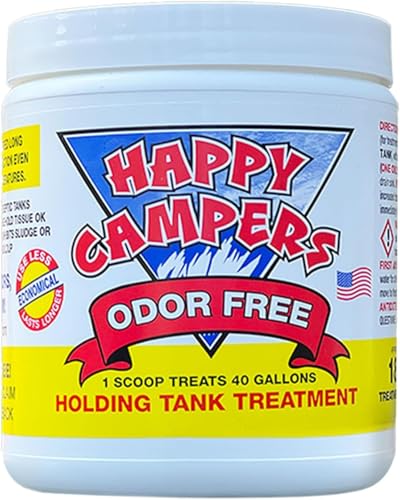
- RV black tank deodorizer enzymatic cleaner 1 gallon
- RV sewer vent fan 12V inline exhaust fan
- RV holding tank odor eliminator enzyme spray
- RV toilet seal kit replacement gasket
- RV black tank gasket seal kit
- Basic hand tools for quick gasket work (screwdrivers, clamps)


Before You Start
Before tackling sewer odors, ensure the RV is in a well-ventilated area and that all systems are cool. Wear gloves when handling waste fittings, and follow the manufacturer’s instructions on all chemical products. Plan a cleaning window of 1–2 hours for inspection and treatment, plus additional time for drying and testing. Never mix cleaning chemicals with bleach or ammonia-based products, as dangerous fumes can form.
Check that the black tank valve is operable and accessible, and locate the vent stack outside the vehicle to ensure proper exhaust during treatment. If you notice persistent odors after basic steps, a gasket replacement or vent adjustment might be necessary.
Step-By-Step: How To Get Rid Of Sewer Odor In An RV
- Empty and flush the black tank to remove settled waste and residual liquids. Use a thorough flush to reduce solids that trap odor.
- Add enzymatic cleaner to the holding tank pour the RV black tank deodorizer enzymatic cleaner according to the label. Enzymes break down waste and neutralize smells at the source.
- Treat the tank with odor eliminator spray in the waste storage area and near the vent stack to neutralize lingering odors inside the RV. Spray as directed to avoid overuse.
- Inspect and replace toilet seals if needed examine the toilet seal for cracks or wear. If leakage or persistent odor is evident, install an RV toilet seal kit replacement gasket for a tight seal.
- Check the black tank gasket seal kit on access points and fittings; replace any suspected gasket wear to prevent odors from seeping into living spaces.
- Upgrade or test the venting system install or check the RV sewer vent fan 12V inline exhaust fan. A strong vent helps push odors outside and reduces buildup inside the RV.
- Clean the interior surfaces wipe down the bathroom and kitchen areas with a mild RV-safe cleaner to remove any residual splashes or odors near plumbing fixtures.
- Run a rinse cycle and air out keep the roof vent open or use the vent fan to exhaust air for 15–30 minutes after cleaning. Fresh, outdoor air reduces lingering smells.
- Establish a maintenance routine schedule regular tank treatments and occasional gasket checks to prevent odor buildup on future trips.
Troubleshooting
| Symptom | Likely Cause | Fix | Prevention |
|---|---|---|---|
| Persistent sewer smell inside the RV | Unsealed connections or worn seals | Replace failed gaskets (toilet and tank seals) | Regularly inspect seals and use enzyme treatments |
| Smoke-like or chemical odor after flushing | Chemical incompatibility or overuse | Rinse system with fresh water and reapply appropriate cleaners | Follow label directions carefully |
| Odor returns after a day | Insufficient ventilation | Install or repair RV sewer vent fan; ensure vents are unobstructed | Keep vent open during use and storage |
| Leaks around toilet seal | Worn toilet gasket | Replace with RV toilet seal kit | Regular checks during maintenance |
Common Mistakes
- Using household cleaners that leave residues or scents not compatible with RV plumbing
- Neglecting to vent the system adequately when cleaning
- Waiting too long to address a degraded seal or gasket
- Overfilling tanks or failing to flush properly before travel
Sticking to purpose-built RV products and following a routine maintenance plan helps minimize odor issues and keeps living areas comfortable on the road.
Tips For Best Results
- Place a sensor or external vent cover to monitor venting efficiency from outside the RV
- Use enzymatic cleaners consistently to break down waste rather than masking odors
- Keep a small stock of spare gaskets for quick on-site replacements during trips
- Schedule seasonal maintenance to align with travel patterns and cleaning cycles
Call A Professional
If odors persist after all DIY steps, seek professional RV service, especially if there are signs of tank leaks, persistent clogs, or venting failures. Stop-and-go repairs may worsen problems or create safety risks, so professional diagnosis is recommended when:
- There is continuous tank leakage or strong gas-like fumes
- The vent system cannot be powered or repaired on-site
- Structural corrosion or damaged plumbing is suspected
FAQ
Can enzymatic cleaners hurt my RV seals?
Most enzymatic cleaners are formulated for RV systems and are safe when used as directed. Always follow product instructions and rinse as recommended.
How often should I treat my holding tank?
Regular treatment aligned with use is advised; many owners apply treatments weekly during heavy use and before trips to maintain odor control.
Do gasket replacements require professional installation?
Many gasket replacements can be done by the owner with basic tools, but complex plumbing or warranty considerations may merit professional service.
What’s the best order for treating odors?
Flush the tank, apply enzymatic cleaner, treat with odor eliminator spray, inspect seals, and ensure proper venting for airflow.
Will venting alone solve odor issues?
Ventilation helps, but it should be combined with proper tank treatment and seal maintenance for comprehensive odor control.
Is it safe to store RVs with odors?
Odors may indicate underlying issues; store with vents open and ensure tanks are treated before long-term storage.
Buying Guide
Choosing the right odor-control solutions for an RV involves considering size, compatibility, and ease of use. Look for products designed specifically for RV systems to ensure compatibility with holding tanks, seals, and venting hardware.
Key buying factors:
- <bSize and capacity: Select enzymatic cleaners and sprays that suit your holding tank volume and renovation plans. A 1-gallon cleaner is common for full-season usage.
- <bNoise level: If installing a vent fan, consider a model with quiet operation suitable for nighttime use.
- <bEnergy efficiency: A 12V inline exhaust fan should balance airflow with battery use, especially for boondocking.
- <bControls: Look for straightforward on/off controls and compatibility with your RV’s electrical system and wiring.
- <bPlacement: Ensure vent fan placement provides effective exhaust without drawing in exhaust from other sources or opening interior compartments to the elements.
For a reliable setup, you may combine a dedicated black tank deodorizer enzymatic cleaner with a venting solution and compatible gasket replacements. Compare products by ease of use, compatibility with your RV model, and user reviews focused on odor control success.