Old pans can accumulate stubborn grime, rust, and seasoned residue. This guide provides practical, safe methods to restore a variety of pans using common household products and purpose-built cleaners. By selecting the right approach for each material, you’ll extend the life of cookware and keep it looking and performing well.
Quick Answer
Identify your pan type (cast iron, stainless steel, nonstick, or copper) and choose a suitable cleaner. For cast iron and stainless steel, a steel wool scrubber or baking soda paste works well. For nonstick, a mild sponge set is best to avoid coating damage. For copper, use a tarnish remover designed for copper. For burnt-on grease, a dedicated spray cleaner helps break down tough residue.
What You’ll Need (Tools And Materials)
- Cast iron pan cleaner steel wool scrubber
- Stainless steel skillet cleaner with baking soda paste
- Nonstick pan residue remover sponge set
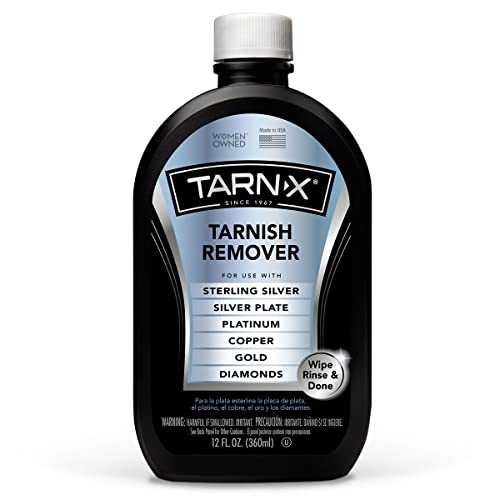
- Copper pan tarnish remover cleaner
- Burnt-on grease pan cleaner spray


Before You Start
Before cleaning, ensure you have a good grip on the pan and a clear work area. For safety, wear gloves if using stronger cleaners and avoid harsh abrasives on nonstick coatings. Rinse the pan with warm water to loosen soil, then apply the appropriate cleaner. Note that cast iron benefits from drying immediately and re-oiling to prevent rust; copper and stainless products require thorough drying to prevent streaks.
Caution: Do not use metal scrapers on nonstick finishes; they can scratch and ruin the coating. For copper, avoid acidic cleaners on plated surfaces unless they are specifically labeled safe for copper cookware.
Step-By-Step: How To Clean Old Pans
- Identify the pan material: cast iron, stainless steel, nonstick, or copper. This determines the cleaning method and products to use.
- Remove loose debris with warm water and a soft sponge. Do not soak cast iron for long periods, as it can promote rust in exposed areas.
- For cast iron, scrub with a cast iron pan cleaner steel wool scrubber only if the seasoning is intact; otherwise, use a gentle abrasive and re-season after drying.
- For stainless steel, apply a baking soda paste to stubborn spots and scrub with a non-scratch pad to avoid scratches. Rinse thoroughly.
- For nonstick, use the nonstick pan residue remover sponge set. Gently scrub to lift residue without penetrating the coating; rinse completely.
- For copper, apply a copper pan tarnish remover cleaner following package directions and gently rub to restore shine; rinse and dry.
- For burnt-on grease, spray burnt-on grease pan cleaner and let sit for the recommended dwell time before scrubbing with a non-abrasive pad.
- Rinse all pans with warm water, then dry immediately to prevent rust or water spots. Re-season cast iron if needed and buff copper to a shine.
- Inspect for remaining residue; repeat targeted cleaning steps if necessary, using the appropriate cleaner to avoid damaging surfaces.
- Store pans completely dry to prevent corrosion; stack with protective cloth or paper towels if space is tight.
- For heavily tarnished copper or deeply stained pans, repeat the cleaning cycle or consult the product’s guidelines for stronger formulations.
Troubleshooting
| Symptom | Likely Cause | Fix | Prevention |
|---|---|---|---|
| Stubborn rust on cast iron | Water exposure or dull seasoning | Re-season after cleaning; apply a thin oil coat and heat | Dry promptly; store in a dry place |
| Scratches on stainless steel | Abrading pads used too aggressively | Switch to non-scratch pad; use gentler cleaner | Use proper pads and gentler pressure |
| Paint or coating wear on nonstick | Harsh scrubbing or metal tools | Use nonstick-safe cleaners; replace if coating is damaged | Avoid metal utensils and abrasive cleaners |
| Persistent tarnish on copper | Oxidation deeper than surface | Use a dedicated copper tarnish remover; repeat as needed | Regular cleaning to slow tarnish build-up |
Common Mistakes To Avoid
- Using steel wool or metal brushes on nonstick pans
- Soaking cast iron for extended periods
- Using harsh acidic cleaners on copper with delicate plating
- Rinsing and drying slowly, which promotes rust or spots
Tips For Best Results
- Always dry pans completely after washing; moisture invites corrosion on metal surfaces.
- Re-season cast iron after washing to maintain the protective coating and flavor profile.
- Use the cleaner type that matches the pan material to avoid coating damage or inferior results.
- For stubborn spots, let the cleaner sit briefly to loosen residue before scrubbing.
- Protect copper by avoiding abrasive sponges on the surface; polish with a soft cloth after cleaning for shine.
Call A Professional
Seek professional help if a pan shows significant structural damage, deep pitting, extensive warping, or severe corrosion that cannot be safely repaired with typical cleaners. Complex restoration or re-seasoning might require expert attention, especially for antique or high-value cookware.
FAQ
Can I use dish soap on cast iron?
Yes, for routine cleaning, but avoid prolonged soaking and re-season promptly.
Is it safe to use vinegar on copper pans?
Vinegar can be used in small amounts for copper tarnish, but follow product directions to avoid damage.
What if residue remains after cleaning?
Apply a targeted cleaner (such as a stainless steel paste or copper cleaner) and scrub gently until it lifts.
How should I store cleaned pans?
Store completely dry; use protective liners to prevent scratches and rust, especially for cast iron.
Can I clean nonstick with baking soda?
Often yes, but check the nonstick manufacturer’s guidelines to ensure compatibility.
When should I replace a scratched nonstick pan?
Replace when coating is visibly damaged or peeling, as the surface integrity is compromised.
Buying Guide
Choosing the right cleaning approach for old pans depends on material, usage, and maintenance goals. Consider size and weight for ease of handling, especially when cleaning large skillets. Noise level matters for home environments with shared spaces or late-night cleaning. Energy efficiency is less about the cleaner itself and more about using minimal heat or dwell time to protect coatings. Look for cleaners with clear safety guidelines and material compatibility.
For a multi-panar setup, prioritize a versatile kit that covers cast iron, stainless steel, nonstick, and copper maintenance. Pay attention to packaging and storage requirements; some products are better stored in a cool, dry place. Controls and ease-of-use matter—choose products with simple application instructions and minimal harsh chemicals. Placement considerations include a dedicated cleaning area with ample ventilation and a waste disposal plan for used pads or containers.
In practice, a balanced combination of a steel wool scrubber for cast iron, a baking soda paste for stainless steel, a nonstick sponge set for nonstick, and a copper tarnish remover for copper provides coverage for common kitchen cookware. When evaluating options, compare the compatibility notes and user reviews to ensure the cleaners meet your cookware types and cleaning frequency. Would you prefer a single all-in-one cleaner or specialized tools tailored to each surface?