Scratches on legs are common from everyday activities, outdoor adventures, or dry skin that splits easily. Proper care can reduce visibility and promote faster healing, while avoiding irritation. This guide outlines practical steps, tools, and best practices for safely minimizing scratch marks on legs in a home setting.
Quick Answer
Use gentle exfoliation with a suitable tool, apply a soothing moisturizer, and protect the skin from further trauma. For deeper marks, consider a home dermabrasion option or LED therapy as guided, and always test a small skin area first.
What You’ll Need
- Home microdermabrasion kit for legs
- Electric dermabrasion tool for scars
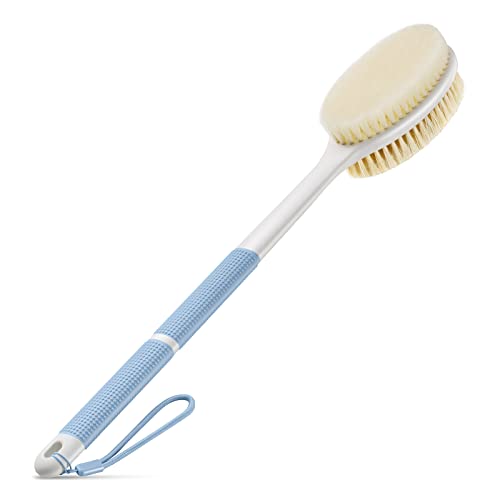
- Body exfoliating brush with long handle for legs
- Electric foot file callus remover for legs
- Home LED light therapy scar removal device
- Moisturizing lotion or patch-tested scar cream


Before You Start
Inspect the scratches to ensure there is no active infection, open wound, or significant swelling. If there is any sign of infection, seek medical advice before attempting at-home treatments. Prepare a clean, well-lit space, and wash hands and legs with a mild soap. Avoid aggressive scrubbing and stop immediately if irritation occurs. Plan for multiple short sessions rather than long, intense sessions to minimize skin irritation. Allow 24–48 hours between exfoliation sessions to let skin recover.
Step-By-Step: How To Reduce Scratches On Legs
- Wash the legs with a mild cleanser and pat dry to remove surface oils before any treatment.
- Gently cleanse the area with a body exfoliating brush with long handle for legs to remove dry skin without applying heavy pressure.
- If you choose a microdermabrasion approach, follow the home microdermabrasion kit for legs instructions, using light, even strokes and avoiding broken skin.
- For scar-focused results, use the electric dermabrasion tool for scars in short sessions on non-living skin, per device guidelines.
- Apply a thin layer of a soothing moisturizer or scar-reducing product after exfoliation to lock in moisture and support healing.
- Consider optional home LED light therapy scar removal device sessions as directed to encourage skin remodeling, keeping exposure brief and consistent.
- Continue with gentle exfoliation 1–2 times per week and moisturizer daily. Avoid over-exfoliating, which can worsen appearance.
- Dress in breathable fabrics after treatment to minimize friction and moisture loss that can aggravate the skin.
- If using an electric foot file for legs, limit use to safe, smooth motions and avoid overlapping treated areas until the skin regains even color and texture.
- Monitor changes over 4–6 weeks; for persistent marks, consult a dermatologist to explore options like professional treatments if needed.
- Maintain a consistent daily skincare routine: cleanse, exfoliate gently, moisturize, and protect with sunscreen when outdoors.
Troubleshooting
| Symptom | Likely Cause | Fix | Prevention |
|---|---|---|---|
| Persistent redness after exfoliation | Over-exfoliation or sensitivity | Pause exfoliation for a few days, switch to milder technique | Follow device guidelines; use low intensity |
| Feeling stinging or burning | Active irritation or product incompatibility | Rinse promptly, skip active serums, apply soothing cream | Patch-test products 24 hours before full use |
| Scratches look darker or lighter | Uneven healing or sun exposure | Use sunscreen; continue gentle care until evening skin tone returns | Protect treated areas from sun |
| Inflammation or swelling | Reaction to tools or products | Discontinue use and consult a professional if it persists | Follow safety instructions and hygiene measures |
Common Mistakes
- Over-exfoliating, which can irritate and prolong healing
- Using abrasive tools on broken skin or active wounds
- Not sanitizing tools Between uses, increasing infection risk
- Skimping on moisturizer, leading to dry, flaky skin
- Skipping sunscreen, allowing pigmentation changes from sun exposure
Sticking to mild, controlled procedures and consistent moisturizing will improve results while reducing risks.
Tips For Best Results
- Work in a well-lit area and use magnification if needed to assess texture changes
- Introduce one tool at a time to gauge skin response and avoid overloading the skin
- Keep sessions short, especially with electrical devices, gradually increasing frequency as tolerated
- Hydrate from inside by drinking water and maintain a balanced diet to support skin repair
- Store tools clean and dry; replace pads or heads as recommended by manufacturers
Call A Professional
Seek professional help if there is:
- Severe or spreading redness, warmth, or pus
- New or worsening scars after at-home treatments
- Persistent hyperpigmentation or textural changes after several weeks
Licensed dermatologists or estheticians can offer treatments tailored to skin type and scar depth, including advanced resurfacing options if appropriate.
FAQ
Can home microdermabrasion help with leg scratches?
Yes, when used according to instructions, microdermabrasion can improve texture and help fade superficial marks on the legs.
Is LED light therapy safe for leg scars?
Generally safe for most skin types when used as directed, but consult a professional if there are underlying skin conditions.
How often should I exfoliate my legs?
Typically 1–2 times per week, adjusting based on skin sensitivity and healing progress.
When should I see a doctor for leg scratches?
If there are signs of infection, increasing pain, or no improvement after several weeks of care, seek medical advice.
Buying Guide
Choosing the right tools for reducing leg scratches involves several factors. Size and reach matter for legs; a long-handle brush can help reach awkward areas without bending. Consider noise level and ease of use for home setups, especially if devices will be used near sensitive skin. Energy efficiency and battery life affect convenience for regular sessions. Look for adjustable intensity controls on devices like dermabrasion tools and LED therapy units to tailor treatment to comfort. Placement matters: use in a clean, dry space with good lighting, and store away from children. Compare options that include compatible accessories and clear instructions to maximize safety and results.
Final Notes
The combination of gentle exfoliation, mindful moisturizing, and protective care supports healthy leg skin and can help reduce the visibility of scratches over time. If the plan includes any electric devices, follow manufacturer instructions and start with low intensity to gauge tolerance. With consistent, careful practice, most leg scratches can fade and the skin regain a smoother appearance.