Humid environments can trap musty odors, making living spaces feel damp and uncomfortable. Effective odor control combines moisture reduction with air purification and odor adsorption. This guide outlines practical steps suitable for American homes to eliminate humidity smell, using common tools and straightforward routines.
Quick Answer
Address humidity first by lowering moisture levels with a dehumidifier, then tackle odors with odor-absorbing materials and air purification. Monitor humidity to maintain a comfortable range and prevent odor rebound.
What You’ll Need
- 70 pint dehumidifier for basement moisture odor removal
- Silica gel desiccant packs 1 lb moisture absorber odor control
- Activated charcoal filter air purifier for odors and humidity reduction
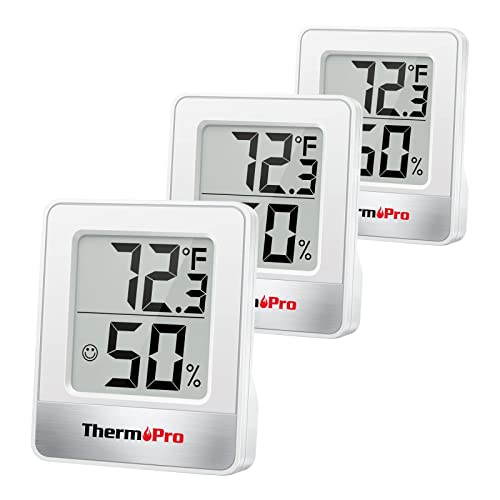
- Digital hygrometer thermometer with humidity monitor
- DampRid moisture absorber crystals for closet odor elimination


Before You Start
Clear the area around sources of moisture and odors. Close gaps around doors and windows to prevent humid air from reentering treated spaces. Choose a time when you can run the dehumidifier for several hours to begin conditioning the space. Safety note: unplug electrical devices before moving them, and never operate a dehumidifier in standing water. If you notice persistent mold or pervasive musty smells despite odor control, consult a professional to assess hidden moisture sources.
Step-By-Step: How To Eliminate Humidity Smell
- Assess current humidity levels using a digital hygrometer thermometer with humidity monitor. Aim for indoor humidity between 30% and 50% for comfort and odor control.
- Place a 70 pint dehumidifier for basement moisture odor removal in the problem area. Run it for several hours to reduce ambient moisture and slow mold growth.
- Improve air circulation by opening interior doors or using a small fan to move air toward dehumidified zones while the unit runs.
- Distribute silica gel desiccant packs 1 lb moisture absorber odor control in closets, cabinets, and storage areas to capture residual moisture and odors.
- Position an activated charcoal filter air purifier for odors and humidity reduction to adsorb volatile organic compounds and damp odors from the air.
- Replace or recharge the dehumidifier’s collection bucket or drain hose as needed, ensuring it operates continuously or on a schedule that aligns with humidity readings.
- Address textiles and soft surfaces that trap moisture by washing or using a damp cloth to wipe walls, curtains, and furniture. Allow items to dry completely before reintroducing them to the space.
- Use DampRid moisture absorber crystals for closet odor elimination in storage areas and closets to keep pockets of air dry and odor-free.
- Develop a maintenance routine: recheck humidity levels weekly and adjust dehumidifier settings or add absorbers as needed.
- Consider adding a light, continuous odor absorber, like a carbon-based purifier, to maintain fresh air in high-humidity rooms such as basements and laundry areas.
- Seal sources of moisture such as leaks or damp basements to prevent recurring humidity and odor problems. Addressing root causes is essential for long-term results.
Troubleshooting
| Symptom | Likely Cause | Fix | Prevention |
|---|---|---|---|
| Musty smell persists after humidity drops | Mold growth or hidden moisture | Inspect corners, behind appliances, and under sinks; treat affected areas with mold-safe products | Regular moisture checks; fix leaks promptly |
| Humidity rises quickly after dehumidifier runs | Insufficient unit capacity for space | Move the unit to a larger area or upgrade to a higher pint model | Use targeted dehumidification in problem zones |
| Odor returns in closets | Absorbers saturated or ineffective placement | Replace DampRid and reposition silica gel packs for better airflow | Rotate absorbers seasonally for even exposure |
| Air feels stale even with purifier | Insufficient air exchange | Increase ventilation or add a second purifier | Schedule periodic fresh air intake when weather permits |
Common Mistakes
- Relying on a single tool; humidity control works best with a combination of dehumidification and adsorption.
- Ignoring hidden moisture sources such as leaks, condensation on windows, or improper insulation.
- Running dehumidifiers without checking drainage requirements, causing overflow or water damage risk.
- Overlooking textiles and soft goods that trap moisture and scent; they require cleaning or drying.
Tips For Best Results
- Place the dehumidifier in the center of the space for even moisture removal; avoid corners where air stagnates.
- Pair odor absorbers with air purifiers that include activated charcoal or carbon filters for best odor capture.
- Regularly check and replace moisture absorbers before they become saturated to maintain effectiveness.
- Keep relative humidity steady by scheduling the dehumidifier to operate during the warmest parts of the day when humidity spikes.
- Use a hygrometer in multiple zones to tailor dehumidification to varying humidity levels in different rooms.
Call A Professional
Consider seeking professional help if:
- There are visible mold colonies or a persistent musty odor despite interventions.
- Basement or crawlspace moisture appears to come from structural leaks or groundwater intrusion.
- Electrical or plumbing systems show signs of water damage or corrosion.
FAQ
Can humidity smell be completely eliminated?
Yes, with a combination of moisture reduction, odor adsorption, and air purification, but ongoing maintenance is essential to prevent rebound.
How long does it take to remove humidity smell?
Initial odor improvement often occurs within 24–72 hours, but complete stabilization may take several days depending on space size and moisture sources.
Are there any safety concerns with dehumidifiers?
Operate in well-ventilated areas, keep drains clear, and avoid contact with water. Electrical safety is essential; unplug before moving the unit.
Should I use multiple absorbers in a room?
Distribute absorbers like silica gel and DampRid evenly to maximize moisture control without overloading any single area.
What maintenance is required after smelling moisture?
Regularly empty dehumidifier buckets or drain lines, replace absorbers as they saturate, and monitor humidity levels to prevent a return of odors.
Buying Guide
Choosing the right setup involves considering size, noise, energy use, controls, and placement. Here are essential factors to compare:
- Size and capacity: For spaces with persistent dampness, a higher pint dehumidifier (e.g., 50–70 pint) can remove more moisture quickly. Choose based on the room size and typical humidity level.
- Noise level: Look for units with low decibel ratings if the space is a living area or bedroom. A quiet model reduces disruption while running continuously.
- Energy efficiency: Energy Star-rated dehumidifiers save electricity over the long term, which matters for basements and storage areas running daily.
- Controls and monitoring: Digital hygrometers paired with easy-to-read control panels help maintain stable humidity. Consider remote or timer features for convenience.
- Odor control options: Activated charcoal filters or purifier combos target odors at the source, complementing moisture removal.
- <bPlacement: Position dehumidifiers away from walls with adequate clearance; place absorbers in closets and corners as needed for targeted odors.
- <bMaintenance: Check ease of emptying, filter replacement, and absorber replenishment. Simpler maintenance reduces neglect and improves long-term results.
- <bCost of ownership: Factor in energy use, filter replacements, and absorber replacements. A balanced setup reduces running costs and odor recurrence.
Ready to tackle humidity smells with a practical, layered approach? Start by measuring humidity, then combine dehumidification with active odor control for a fresher, more comfortable home environment.