Rust staining on sinks can mar the appearance of kitchens and bathrooms. This guide provides practical, step-by-step methods using common products to remove rust and restore a clean surface while protecting the finish of stainless steel, porcelain, and enamel sinks.
Quick Answer
Choose the right approach based on your sink type: use rust remover gel or abrasive pads for stainless steel, and a porcelain enamel kit for enamel finishes. For stubborn spots, combine a rust removal tool with a sponge pad and repeat as needed. Always test in an inconspicuous area first.
What You’ll Need
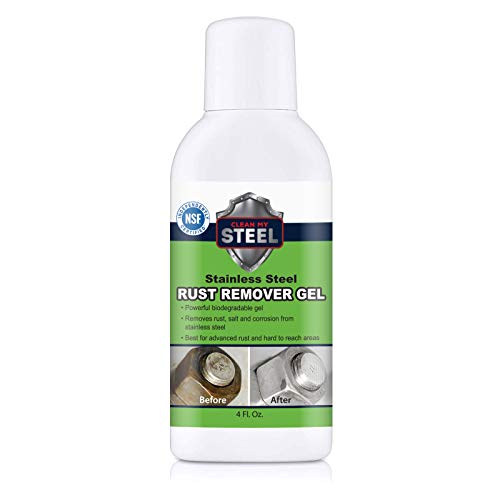
- Stainless steel sink rust remover gel
- Porcelain enamel sink rust remover kit (for enamel surfaces)
- Abrasive scrub pad for rust removal stainless steel sink
- Bathroom sink rust stain remover sponge pad
- Rust removal tools for sinks enamel porcelain


Before You Start
Assess the sink material: stainless steel, porcelain enamel, or ceramic. Check for protective coatings or delicate finishes. Clear the area around the sink and remove items from the countertop. Safety is essential: wear gloves and eye protection when using chemical rust removers. Time estimates range from 15 minutes for light stains to 60 minutes for tougher spots, with multiple passes possibly required.
cautions never mix rust removers with chlorine bleach or other cleaners, and avoid abrasive actions that can scratch delicate surfaces.
Step-By-Step: How To Remove Rust From a Sink
- Identify the sink type (stainless steel vs porcelain enamel) to select the appropriate product.
- Apply a rust remover gel directly to the stained area on stainless steel, following the label directions.
- Let the gel sit for the recommended contact time to break down mineral deposits.
- Gently scrub with an abrasive scrub pad for rust removal stainless steel sink in the direction of the grain; avoid circular scrubbing that can create scratches.
- Rinse thoroughly with warm water and wipe dry to reveal improvement.
- If stains persist on a porcelain enamel surface, use a porcelain enamel sink rust remover kit as directed, avoiding metal brushes that scratch enamel.
- For stubborn rust, repeat steps 2–5, applying light pressure and allowing extra dwell time as needed.
- Dry the area completely and inspect for remaining spots; repeat if necessary, focusing on corners and under rims where buildup collects.
- Prevent future rust by drying the sink after use, addressing leaks promptly, and occasionally treating with a non-abrasive cleaner designed for your sink material.
- Consider applying a protective polish or sealant compatible with the sink type to discourage mineral buildup.
- Document the process for future reference and note any areas that show wear or corrosion.
Troubleshooting
| Symptom | Likely Cause | Fix | Prevention |
|---|---|---|---|
| Rust returns after cleaning | Persistent mineral deposits or pitting | Repeat treatment; consider a rust removal tool with more aggressive action | Keep areas dry; address moisture sources |
| Scratch marks after scrubbing | Abrasive pad used too aggressively | Switch to a non-abrasive sponge; use light pressure | Use proper pad for surface type |
| Streaks or dull finish | Improper rinsing or residue | Rinse thoroughly; wipe dry with microfiber cloth | Rinse after every pass |
| Discoloration on enamel | Overly harsh cleaners | Switch to enamel-safe kit; avoid steel wool | Follow kit instructions precisely |
Common Mistakes
- Using metal brushes or aggressive pads on porcelain enamel surfaces
- Applying rust removers for too long without testing time
- Not rinsing thoroughly, leaving residues that attract more minerals
- Neglecting to dry the sink after cleaning, which promotes new rust formation
Being patient and methodical reduces the risk of dulling finishes or scratching delicate surfaces.
Tips For Best Results
- Always test cleaners in a small, inconspicuous area first to confirm compatibility.
- Use a fresh microfiber cloth for drying to avoid transferring minerals back to the surface.
- Schedule routine maintenance to prevent buildup, especially in areas around taps and drains.
- For heavy rust, alternate between gel treatments and gentle scrubs to minimize wear.
- Keep cleaning products labeled for your sink material to maximize safety and effectiveness.
Call A Professional
Stop and seek professional help if the rust has pitted the metal, the enamel is flaking, or staining extends beyond visible surfaces. If leaks accompany rust or if the sink area shows corrosion around hardware, a licensed plumber or refinishing specialist should assess the damage.
FAQ
Is rust on stainless steel sinks dangerous to remove with household products?
Most rust removers are safe when used as directed, but always test first and wear gloves to protect skin.
Can rust be removed from porcelain enamel without damaging the finish?
Yes, with enamel-safe rust remover kits and non-abrasive tools, following the product directions carefully.
How long should I leave rust remover on a stain?
Follow the label’s recommended dwell time; do not exceed it to avoid damage.
What routine maintenance helps prevent rust recurrence?
Dry the sink after use, address any leaks promptly, and clean with non-abrasive cleaners designed for your sink type.
Are there natural remedies for rust on sinks?
White vinegar or diluted lemon juice can help light rust spots but may require longer dwell times and repeated applications.
Buying Guide
Choosing the right rust-removal approach depends on sink material, stain severity, and expected maintenance. Consider the following factors to ensure a durable, safe result:
- Size and stain severity: For minor rust, a gel or sponge pad may suffice; heavy staining might require a dedicated rust removal kit.
- Sink material: Stainless steel often responds well to gels and abrasive pads in moderation, while porcelain enamel requires gentler, enamel-specific products to avoid scratching.
- Noise level and user comfort: Some scrub pads and tools can be noisier; choose a product you find easy to handle.
- Energy efficiency and flow considerations: Not directly related to rust removal, but maintaining clear drains helps prevent mineral buildup that can accelerate staining.
- Controls and application: Look for products with clear instructions, dwell times, and safety warnings; simple spray, gel, or pad formats are common.
- Placement and storage: Store rust-removal tools in a dry, accessible place; ensure ventilation when using chemical removers.
- Multiple-use vs. single-use: Some kits include reusable applicators or brushes; others are disposable, impacting long-term cost.
For best results, match the product to the sink material and follow the manufacturer’s directions. If in doubt, start with a mild, enamel-safe option and escalate gradually. The goal is a clean, rust-free finish without compromising the surface integrity of the sink. If rust recurs quickly, consider professional refinishing as a longer-term solution.