Soothing living room spaces hinge on a clean sofa. This guide provides practical, step-by-step methods for common sofa fabrics, including microfiber, fabric, and leather surfaces. Readers will learn to assess stains, choose appropriate products, and maintain upholstery to extend its life.
The following approach emphasizes safety, effectiveness, and ease, helping homeowners achieve fresh, inviting seating with minimal disruption.
Quick Answer
For most households, start with a vacuum to remove loose dirt, then treat stains with an upholstery cleaner spray for microfiber or a spot cleaner pen for fabric. Use a steam cleaner for stubborn grime on microfiber, followed by a fabric-safe conditioner for leather sofas. Always test a hidden area first and dry completely before sitting.
What You’ll Need
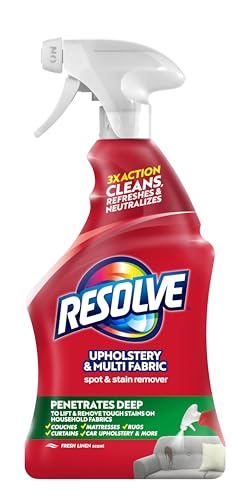
- Upholstery cleaner spray for microfiber sofa fabric stain remover
- Steam cleaner for upholstery couch microfiber fabric
- Vacuum cleaner with upholstery attachment for sofa
- Leather sofa cleaner kit spray and conditioner
- Spot cleaner pen for fabric sofa


Before You Start
Assess the sofa fabric type and any care labels. Always perform a patch test on a hidden area to check colorfastness and fabric reaction. Clear the area, remove cushions, and open windows for ventilation. Time management matters: plan for 1–2 hours including drying time. Avoid saturating the fabric to prevent watermarks or fiber damage, especially on microfiber and leather surfaces.
Step-By-Step: How To Clean A Sofa
- Vacuum the entire surface, including crevices, using the upholstery attachment to remove dust and debris.
- Mix or apply an upholstery cleaner appropriate for the sofa fabric; spray lightly on stained or soiled areas rather than the entire surface.
- Gently blot stains with a clean cloth, working from the outside in to prevent spreading.
- For microfiber, use a steam cleaner on a low setting, keeping the nozzle at a safe distance to avoid over-wetting.
- For leather sofas, apply a leather cleaner kit spray and conditioner following the product instructions, then wipe evenly with a soft cloth.
- If stains persist, use a spot cleaner pen for fabric, applying minimally and blotting dry after treatment.
- Allow the sofa to dry completely in a well-ventilated room; consider using a fan to speed up drying.
- Reassemble cushions and test a small area again after drying to ensure no residue remains.
- For high-traffic fabrics, repeat cleaning every 6–12 months to maintain appearance and longevity.
- Inspect for lingering odors and treat with appropriate odor-neutralizing products designed for upholstery if needed.
- Dispose of any disposable wipes or towels responsibly and sanitize the cleaning tools after use.
- Document successful methods for future cleanings to build a reliable routine.
Troubleshooting
| Symptom | Likely Cause | Fix | Prevention |
|---|---|---|---|
| Stains reappearing after cleaning | Incomplete removal or set-in stain | Repeat targeted treatment with a fresh cloth | Address spills immediately |
| Water spots on microfiber | Over-wetting | Dry with fans and blot excess moisture | Use minimal spray and proper drying |
| Leather feels sticky after cleaning | Residual product | Wipe with a clean damp cloth and dry thoroughly | Test and follow product directions closely |
| Fabrics fade after cleaning | Harsh cleaner | Switch to fabric-specific cleaners and test first | Choose pH-balanced formulas |
Common Mistakes
- Over-wetting leather or fabric, which can lead to staining or mold.
- Using household cleaners not designed for upholstery fabrics.
- Failing to test a hidden area before full application.
- Ignoring manufacturer care labels, which can void warranties.
Tips For Best Results
- Always follow product instructions and use the recommended spray distance to avoid saturation.
- Vacuum regularly to minimize heavy buildup between cleanings.
- Deal with spills immediately using blotting rather than rubbing to prevent fiber embedding.
- Rotate cushions to promote even wear and cleaning access.
- Use a dedicated microfiber brush or cloth to restore nap after cleaning.
Call A Professional
Seek expert help if the sofa has deep stains, excessive odors, or structural concerns. Stop cleaning and contact a professional if you notice dye transfer, persistent mildew, or water damage that affects the sofa’s structure or upholstery integrity.
FAQ
Can I use dish soap on my sofa?
Dish soap is not recommended for upholstery. Use a cleaner formulated for fabric or leather and follow label instructions.
Is steam cleaning safe for microfiber?
Steam can be effective on microfiber when used with care. Avoid saturating the fabric and use a low heat setting per the steamer’s instructions.
How often should I clean a fabric sofa?
For average use, a light cleaning every 3–6 months and a deeper clean annually is common, depending on spills and traffic.
Should I use a protective spray after cleaning?
Yes, a fabric- and dye-safe protector can help repel future stains, especially on suede-like or light-colored fabrics.
Buying Guide
Choosing the right tools depends on sofa type, usage, and household needs. Consider size, noise level, energy efficiency, controls, and placement when selecting cleaning gear:
- Size and portability: Handheld vs. upright steamers for tight spaces; heavier machines for larger rooms.
- Noise level: Look for models with low-decibel operation for comfortable use in living spaces.
- Energy efficiency: Choose steamers and vacuums with energy-saving modes or moderate wattage.
- Controls: Favor simple, intuitive controls for quick, repeatable cleanings.
- Placement: Ensure cords and hoses are long enough to reach all sofa areas without stretching.
When evaluating options, compare how each tool handles microfiber, fabric, and leather surfaces. Some kits include both cleaner and conditioner to simplify maintenance. Consider a modular approach: a strong vacuum attachment set paired with a fabric cleaner for routine upkeep and a dedicated leather conditioner for leather sofas.