Hydrogen sulfide, a common cause of a rotten egg smell in water, can make tap water unappealing. Addressing this issue involves identifying the source and selecting the right filtration or treatment method. The following guide presents practical steps, tools, and considerations for American homes to reduce or remove the odor effectively.
The guide focuses on proven approaches that work for residential water supplies, from point-of-use solutions like pitchers to whole-house systems. It emphasizes safe handling, proper installation, and routine maintenance to keep water smelling clean and fresh.
Quick Answer
Best first steps: Test a sample of water to confirm hydrogen sulfide presence, then choose a filtration approach based on concentration and flow needs. For low levels, a sulfur odor water filter pitcher or inline water filter sulfur odor remover may suffice; for higher levels or whole-home coverage, consider a whole house hydrogen sulfide removal system or a dedicated hydrogen sulfide water filter cartridge.
What You’ll Need
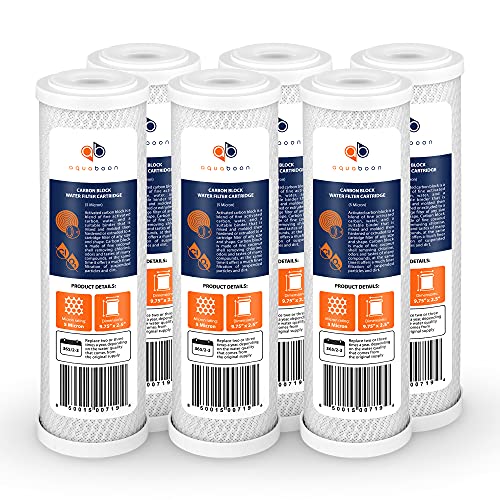
- Hydrogen sulfide water filter cartridge
- Sulfur odor water filter pitcher
- Whole house hydrogen sulfide removal system
- Inline water filter sulfur odor remover
- Activated carbon block sulfur odor water filtration system


Before You Start
Identify the sulfur source and the scale of the problem. Test the water for hydrogen sulfide concentration and pH, as pH can influence filter performance. Prepare the work area, protect skin and eyes, and follow manufacturer installation instructions. Expect setup times to range from 30 minutes for a pitcher filter to several hours for a full-house system. Critical cautions include turning off water supply before replacements, avoiding cross-contamination, and ensuring proper disposal of spent cartridges.
Step-By-Step: How To Remove Rotten Egg Odor From Water
- Confirm smell and source by sampling water from different taps and testing for hydrogen sulfide levels.
- Choose the filtration approach based on water usage and sulfur concentration: pitcher systems for low usage, inline filters for point-of-entry, or a whole-house system for comprehensive treatment.
- Install a sulfur odor filter cartridge in the appropriate housing or connect an inline sulfur odor remover according to the product manual.
- For pitchers, fill with water and insert the sulfur odor filter cartridge, then allow the system to pre-wet before regular use.
- For inline filters, remove the old cartridge, insert the new activated carbon block sulfur odor filter, and purge with clean water to clear air pockets.
- For whole-house installations, install the system at the main water line and ensure proper brine or backwash configuration if applicable.
- Run water through all taps to ensure even distribution and to remove residual odors during the initial flushing period.
- Monitor water quality over several days and replace cartridges as recommended by the manufacturer.
- Periodically test for sulfur levels to verify ongoing effectiveness and adjust maintenance intervals as needed.
- Keep a maintenance log for filter changes, water tests, and any changes in odor or taste.
- If odor persists after replacement, re-check installation, confirm there are no other contaminants, and consider upgrading to a higher-capacity system.
Troubleshooting
| Symptom | Likely Cause | Fix | Prevention |
|---|---|---|---|
| Persistent rotten egg smell after filter change | Filter not installed correctly or depleted | Reinstall or replace with fresh cartridge | Follow manufacturer installation steps and schedule regular replacements |
| Smell only at certain taps | Localized buildup or poor distribution | Inspect plumbing and flush lines; install whole-house solution if needed | Regular flushing and maintenance across all outlets |
| Odor returns after a few weeks | Cartridge reached end of life or insufficient flow | Replace cartridge; check system capacity and flow rate | Choose a higher-capacity or appropriate-flow model |
| Unusual taste with cloudy appearance | Byproducts from filtration or mineral content changes | Rinse system; verify carbon block quality and compatibility | Match filter materials to water chemistry |
Common Mistakes
- Using the wrong type of filter for hydrogen sulfide or relying on a pitcher filter for high-sulfur water
- Not flushing new filters enough before regular use
- Ignoring maintenance schedules and delaying cartridge replacements
- Assuming all sulfur odors originate from water when some may come from plumbing or storage tanks
Tips For Best Results
- Test water periodically to confirm ongoing effectiveness and detect changes in sulfur concentration
- Choose activated carbon block filters designed specifically for sulfur odor removal for better adsorption
- Match system size to household water usage to prevent premature cartridge exhaustion
- Combine filtration with routine cleaning of storage tanks and taps to minimize biofilm growth
- Consider pre-filtration to reduce sediment load, improving carbon filter efficiency
Call A Professional
Consult a licensed plumber or water treatment professional if: the odor persists after multiple filter changes, the system installation seems complex, there is a significant drop in water pressure, or there are signs of bubbling or gas release near plumbing fittings. A professional can assess well water issues, wellhead protection, or municipal supply anomalies and recommend a compliant solution.
FAQ
What causes rotten egg smell in water?
Hydrogen sulfide is the primary cause, produced by bacteria or chemical reactions in groundwater or plumbing systems.
Can I fix this with a simple pitcher filter?
Yes for low concentrations; a sulfur odor water filter pitcher is suitable for small-scale use, but higher levels may require a whole-house system.
How long do filters last?
Filter life depends on concentration and usage; follow the manufacturer’s replacement schedule and monitor for changes in odor or taste.
Is hydrogen sulfide harmful?
At typical drinking-water concentrations, it is not a health hazard, but it can affect taste, odor, and corrosion. High concentrations may require professional remediation.
Buying Guide
Choosing the right solution involves several factors. Size matters for the number of taps and daily water use; larger households may need a whole-house hydrogen sulfide removal system, while smaller homes can rely on a sulfur odor water filter pitcher or inline filter. Noise level is generally not a concern with most residential filters, but installation complexity can vary. Look for energy efficiency in systems with active treatment components, simple controls, and clear maintenance indicators. Consider placement carefully: under-sink, countertop, or main-line installation each has pros and cons. Evaluate filter life, compatibility with existing plumbing, and whether the unit handles peak flows.
Key buying factors at a glance
- Size: Match to household water use and number of fixtures.
- Noise Level: Most residential options are quiet; check product specs for any pump noise.
- Energy Efficiency: Inline and whole-house systems use minimal energy; focus on filtration efficiency and backwash features if applicable.
- Controls: Look for easy-to-read indicators and straightforward filter replacement reminders.
- Placement: Point-of-use vs. whole-house; ensure proper space and accessibility for service.
When evaluating options, consider combining a sulfur odor water filter pitcher for quick results with a robust inline or whole-house system for ongoing protection. If in doubt, a professional assessment can confirm the most effective configuration for the home’s water chemistry and usage patterns.