Preparing a concrete surface properly is essential for long-lasting paint results. A clean, well-prepped surface improves adhesion, reduces staining, and helps the paint cure evenly. This guide walks through practical steps using common tools and safe methods to get concrete ready for painting in American homes and commercial spaces.
Readers will find a clear sequence from initial assessment to final inspection, with tips for different concrete conditions and guidance on when to bring in professional equipment or services. The emphasis remains on practical, repeatable techniques that minimize mess and maximize paint performance.
Quick Answer
Goal: Remove dirt, oils, and old coatings; expose a clean, porous surface for primer and paint. Start with a thorough cleaning, then address oil stains, etching if needed, and a final rinse before drying.
Core steps: Pressure wash, apply degreaser if necessary, scrub stubborn grime, test for porosity with water beads, and use an etching solution if the surface is very smooth. Allow to dry completely before painting.
What You’ll Need
Gather tools and materials to cover the full cleaning and prep process. The list below prioritizes items derived from the provided product keywords to ensure compatibility with common prep tasks.
- Pressure washer 2000 psi concrete cleaning
- Concrete degreaser cleaner for prepping before painting
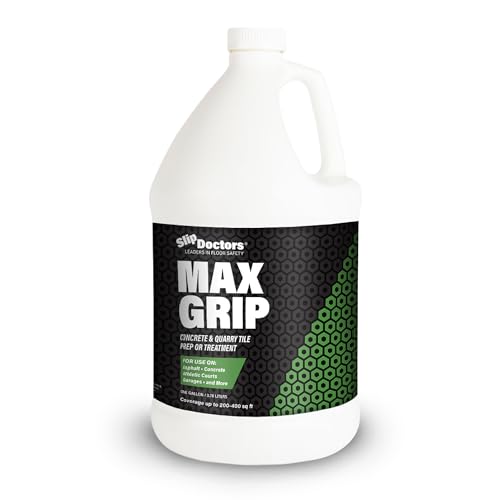
- Concrete surface cleaner etching solution for paint prep
- Masonry brush stiff nylon concrete scrub brush


Before You Start
Assess the concrete type and the job area. Identify oil or grease stains, previous coatings, and any cracks or moisture issues. Clear the area of furniture and ensure proper ventilation if working indoors. Time estimates vary by area, from a few hours for a small patio to a full day for a large garage floor, including drying time. Safety cautions include eye protection, gloves, and hearing protection when using power tools. Keep pets and children away from cleaning products and wet surfaces.
Step-By-Step: How To Clean Concrete Before Painting
- Inspect the surface for loose material, flaking paint, or oil spots. Remove loose debris with a broom or shop vacuum.
- Rinse the area with a garden hose or the lowest-pressure setting on a pressure washer to wet the surface and loosen surface grime.
- Apply concrete degreaser cleaner for prepping before painting to any oil or grease stains. Let it dwell according to product instructions, then scrub with a masonry brush stiff nylon concrete scrub brush.
- Rinse thoroughly to remove degreaser residues. Repeat as needed for stubborn stains to avoid leaving oily slicks that hinder paint adhesion.
- If the surface feels unusually smooth or non-porous, apply a concrete surface cleaner etching solution for paint prep to micro-etch the surface. Follow the product directions and ensure even application.
- Use the pressure washer 2000 psi concrete cleaning to perform a thorough rinse after etching or degreasing. Work in sections and overlap passes to avoid streaks.
- Test porosity by sprinkling water on the surface. If water beads up, an additional rinse or light etching may be needed. When water is absorbed, the surface is ready for primer.
- Allow the surface to dry completely. Depending on weather, this can take 24–48 hours. Use fans or dehumidifiers in damp spaces to speed drying.
- Apply a compatible primer suited for concrete if recommended by the paint manufacturer. This step improves adhesion and coverage on porous surfaces.
- Proceed with painting once the primer is dry according to the paint label instructions and local conditions.
Troubleshooting
| Symptom | Likely Cause | Fix | Prevention |
|---|---|---|---|
| Water beads up after cleaning | Surface is still sealed or too smooth | Apply etching solution per instructions; re-test porosity | Etch before priming; avoid sealing coatings before cleaning |
| Grease remains after degreaser | Stain is old or heavy | Repeat degreasing and scrubbing; consider professional degreaser for tough stains | Tackle oil stains early; use appropriate degreaser for large areas |
| Discoloration or patchy paint adhesion | Uneven surface or residual contaminants | Rinse thoroughly; re-etch or scrub; prime before painting | Systematic cleaning of entire area |
| Surface still rough after etching | Surface damaged or highly porous | Lightly re-etch small areas or use compatible primer sealant | Test patch first; follow manufacturer guidelines |
Common Mistakes
- Skipping degreasing on oily spots
- Using too little pressure or too much water on delicate surfaces
- Over-etching or under-etching without re-testing porosity
- Painting in damp or wet conditions
- Ignoring drying time before applying primer or paint
Following a methodical cleaning routine helps prevent adhesion issues and future peeling.
Tips For Best Results
- Work in shade or cooler hours to improve dwell time for cleaners without rapid drying.
- Test a small patch with primer and paint before full-scale application to confirm adhesion.
- Wear eye protection when handling chemical cleaners and during grinding or etching tasks.
- Rinse thoroughly between steps to avoid residue that can undermine adhesion.
- If the surface is large or heavily stained, consider renting a surface grinder or a diamond cup wheel for concrete grinding and paint removal to ensure a truly clean substrate. Use caution and follow safety guidelines when grinding.
Call A Professional
Consider professional help if any of the following apply: extensive cracking or spalling, persistent oils that resist degreasing, heavily stained or previously painted surfaces, or indoor spaces with ventilation concerns. Uncertain health of the substrate or inadequate drying times are signals to seek expert advice to avoid costly repaint failures.
FAQ
How do I know when concrete is ready for paint?
The surface should be clean, dry, and free of oils, with water penetrating rather than beading on contact. Primers recommended by the paint manufacturer should bond well on the prepared surface.
Is etching always necessary before painting?
No, but it is often required on very smooth or non-porous surfaces to improve adhesion. Follow the etching product instructions and test porosity afterward.
Can I use a regular household cleaner for concrete prep?
Household cleaners are typically insufficient for heavy staining or oil removal. Use dedicated concrete degreasers and cleaners designed for paint prep when possible.
How long should I wait after cleaning before painting?
Allow 24–48 hours of drying time, weather permitting. Rely on the paint and primer manufacturer’s guidance for recoat timing.
What if I don’t have a pressure washer?
Hand scrubbing with a stiff nylon brush and a degreasing cleaner can work for small areas, but a pressure washer speeds up cleaning and reduces manual effort.
Are diamond cup wheels safe for removing old coatings?
Yes, when used with proper PPE and on appropriate concrete surfaces. They are effective for removing paint and preparing rough surfaces but require caution to avoid damaging the substrate.
Buying Guide
Several factors influence choosing the right prep equipment for concrete painting. Size matters: larger projects benefit from higher-output pressure washers and longer hoses for efficiency, while smaller spaces may be tackled with compact units. Noise level is a practical consideration for indoor projects and apartment complexes. Energy efficiency helps lower operating costs and reduces runtime for long jobs. Controls should be intuitive: adjustable pressure settings and easy-start features reduce user fatigue. Placement considerations include access to outlets, water sources, and drainage. When comparing options, evaluate compatibility with degreasers and etching solutions, as well as availability of replacement parts and safety features.