Purple hair can be striking, but there are times when a new color or a more natural look is preferred. This guide explains practical methods to fade or remove purple tones safely at home, using products designed for dye removal and color correction. Readers will find step-by-step instructions, troubleshooting tips, and expert cautions to protect hair health while achieving the desired result.
Quick Answer
To remove purple dye, start with a color remover kit or cream designed for purple tones, then follow with a clarifying shampoo to lift residual color. For stubborn shades, a semi-permanent dye remover can help refresh the base color. If purple remains, consider professional color correction to avoid damaging the hair.
What You’ll Need
- hair color remover kit for purple dye
- purple hair dye remover cream
- color corrector for purple hair dye removal
- clarifying shampoo to remove purple dye from hair
- semi-permanent dye remover for purple hair color
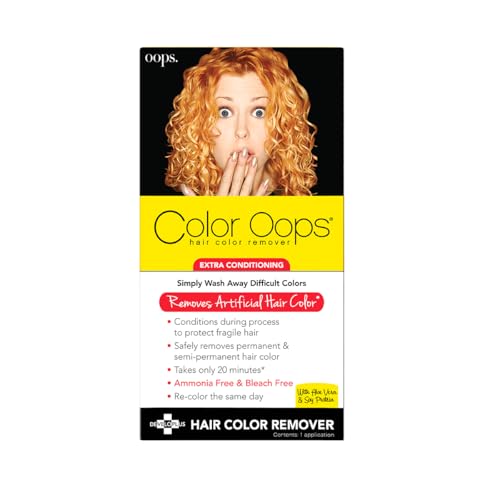


Before You Start
Assess your current hair condition and the level of purple present. Perform a strand test 24–48 hours before full application to check for adverse reactions. Always follow product directions and perform a patch test to avoid an allergic reaction. Protect skin around the hairline with petroleum jelly, and wear gloves to prevent staining. Plan for time: most color-removal processes take 30–90 minutes plus processing time, depending on product strength and hair history. Avoid overlapping color on damaged or chemically treated hair without professional guidance.
Step-By-Step: How To Remove Purple Hair Dye
- Prepare your workstation with all tools and products within reach; have a timer handy to monitor processing periods.
- Section hair into four to six manageable parts to ensure even coverage during the remover application.
- Apply the chosen color remover product to towel-dried hair thoroughly, starting at the mid-lengths and working toward the ends, then reach the roots last.
- Follow the product’s recommended processing time, keeping hair warm with a shower cap or wrap to maximize effectiveness.
- Rinse thoroughly with lukewarm water once the processing time ends; gently shampoo with a clarifying shampoo to remove remaining pigment and product residue.
- Condition deeply to restore moisture; use a bond-building treatment if hair shows signs of dryness or reduced elasticity.
- If purple remnants persist, repeat the remover process with a lighter application, or switch to a semi-permanent dye remover for a gentler approach.
- After color correction, avoid heat styling for 24–48 hours and apply a nourishing mask to minimize stress on the hair cuticle.
- Consider using a color-safe conditioner and a color-protecting hair routine to maintain the new shade and prevent rapid fading.
- Evaluate results after a full wash cycle; if the tone remains vibrant, plan a follow-up session or consult a professional for advanced correction.
- Document the products used and outcomes to guide future touch-ups or color refreshes more efficiently.
- Schedule a professional visit if desired shade consistency is not achieved or if the hair shows excessive damage signs.
Troubleshooting
| Symptom | Likely Cause | Fix | Prevention |
|---|---|---|---|
| Purple returns after washing | Under-toned pigment remaining | Repeat color remover or use a color corrector | Do a strand test and follow up with color-safe care |
| Hair feels dry or brittle | Over-processing or multiple removal steps | Step back, deep condition, and reduce future processing | Limit processing time and space out treatments |
| No noticeable change | Color is stubborn or pigment penetrated deeply | Try a second, shorter remover cycle or switch product | Consult a pro for professional-grade correction |
| Color uneven or blotchy | Uneven application or insufficient rinsing | Re-apply remover evenly and rinse thoroughly | Follow sectioning steps precisely and rinse completely |
| Allergic reaction (redness, itching) | Allergen in product | Rinse immediately and seek medical advice | Patch test before use |
Common Mistakes
- Overlapping dye removal on damaged hair without professional guidance
- Rushing processing times, leading to uneven results
- Skipping a strand test or patch test prior to full application
- Using clarifying shampoo too frequently, which can strip moisture
Careful preparation and following product directions help minimize these mistakes and protect hair health.
Tips For Best Results
- Choose a remover product specifically labeled for purple or purple-dyed hair to target the dye pigment effectively.
- Space out color removal sessions to give hair time to recover, especially after multiple treatments.
- Use a bond-building or protein-rich conditioner after each removal to restore strength.
- Consider a color corrector to address any uneven tones or residual color without excessive processing.
- Keep color-changing expectations realistic; some base tones may require additional color correction or nontoxic dye overlays.
Call A Professional
Professional help is advisable if:
- The hair is heavily bleached or shows signs of severe damage (breakage, extreme dryness).
- Color removal yields an uneven or unpredictable base that is difficult to fix at home.
- There is any sign of an allergic reaction or scalp irritation during use.
In these cases, a licensed colorist can perform controlled color correction, minimize damage, and help achieve a balanced shade safely.
FAQ
Can I remove purple dye at home without damaging my hair?
Yes, by choosing gentle color removers and following the product directions carefully, but some damage risk remains with any dye removal process.
How long does it typically take to remove purple dye?
Most removal processes take 30–90 minutes, plus washing and conditioning time, depending on hair history.
Is the clarifying shampoo enough to remove purple dye?
Clarifying shampoo helps lift residual dye but is usually used after a dedicated color remover for best results.
What if purple tones return after a few washes?
Reassess using a color corrector or a second removal session, and maintain color-safe routines to prevent rapid fading.
When should I seek professional help?
If color is stubborn, damage is evident, or you’re unsure about the best approach, consult a licensed colorist.
Buying Guide
When selecting products to remove purple dye, consider how they align with hair type, color history, and maintenance goals. Size and packaging matter for cost-effectiveness, while formulation determines safety and effectiveness. Look for products labeled specifically for purple dye removal or color correction to ensure targeted action.
Key buying factors include:
- Size and packaging: Choose kits with clear instructions and multiple-use options if you plan additional color corrections.
- Effectiveness for purple tones: Prioritize products designed for purple dye and semi-permanent formulations for gentler processing.
- Safety and hypoallergenic options: Patch-test-friendly products reduce risk of irritation.
- Usage guidance: Consider whether the product requires heat, processing time, or multiple applications.
- Placement and storage: Store in a cool, dry place away from sunlight to preserve effectiveness.
Are you weighing a one-time fix versus ongoing color maintenance? A color-removal kit paired with a clarifying wash often offers a balanced approach, while a professional color-correction session provides a path to a precise new shade with minimized damage. Assess your hair history, comfort level, and desired outcome to choose the best option.