Maintaining a cat’s dental health is essential for overall well-being, but many feline companions resist traditional brushing. This guide provides practical, vet-approved strategies to promote clean teeth and fresh breath using proven alternatives. By combining products and daily routines, owners can reduce plaque buildup and support oral hygiene without forcing a brush.
Quick Answer
Best options include enzymatic cat dental chews, a cat dental water additive, a dental spray gel, silicone dental chew toys, and dental wipes. Use a combination of these tools consistently to complement routine veterinary care and prevent dental disease.
What You’ll Need
- Enzymatic cat dental chews treats for oral health
- Cat dental water additive for oral hygiene powder
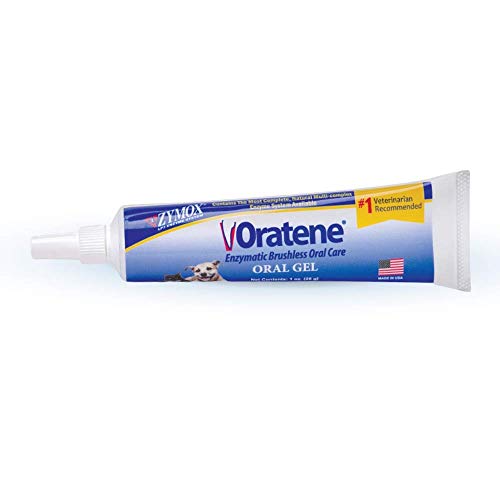
- Cat dental spray gel oral hygiene
- Cat dental chew toy silicone rubber for teeth
- Cat dental wipe wipes alternative for cleaning teeth


Before You Start
Assess your cat’s dental health with guidance from a veterinarian, especially if there is known gum inflammation, loose teeth, or reluctance to eat. Begin with small, gradual introductions to any new product to minimize stress for both pet and owner. Typical time estimates for a trial period range from 2 to 6 weeks before you see noticeable improvements. Safety notes: never force a product, check for allergic reactions, and discontinue use if vomiting, diarrhea, or excessive drooling occurs. Always ensure freshness and proper storage of dental products.
Step-By-Step: How To Keep Cats Teeth Clean Without Brushing
- Introduce an enzymatic dental chew as a daily treat, allowing your cat to associate it with positive reinforcement.
- Mix a cat dental water additive powder into your cat’s drinking water according to the product instructions to support oral hygiene throughout the day.
- Apply a small amount of cat dental spray gel directly onto the gums or teeth, focusing on areas with visible plaque, and gently massage with care if your cat tolerates it.
- Offer a silicone rubber dental chew toy designed for cats to promote mechanical cleaning as the cat gnaws and plays.
- Use dental wipes as a wipe alternative to clean the outer surfaces of the teeth and gums after meals, especially if the cat resists brushing.
- Establish a routine by pairing these tools with a predictable daily schedule to reduce stress and encourage consistency.
- Monitor your cat’s response and adjust the order or frequency of products to minimize resistance while maintaining benefits.
- Schedule regular veterinary dental checkups to evaluate tartar buildup and overall oral health beyond home care.
- Rotate products to maintain novelty and engagement, preventing boredom that can lead to avoidance.
- Reinforce positive associations with treats and rewards during each dental care session to sustain long-term use.
- Keep a simple log of products used, dates, and any observed changes in breath, appetite, or eating behavior.
- Declutter competing treats to avoid overfeeding while prioritizing dental-specific options for best results.
Troubleshooting
| Symptom | Likely Cause | Fix | Prevention |
|---|---|---|---|
| Persistent bad breath | Accumulated plaque/tartar, or underlying dental disease | Consult a vet for a checkup; continue enzymatic chews and water additive | Maintain daily routine and rotate products |
| Gum irritation after using spray gel | Product sensitivity or overuse | Reduce frequency; rinse mouth with water and observe | Test patch on a small area before full use |
| Cat avoids dental wipes or toys | Stress or unfamiliar sensation | Short, positive sessions; reward-based approach | Introduce gradually, one new item at a time |
| Vomiting after additives | Overconcentration or sensitivity | Lower dosage or spacing out applications | Follow product guidelines strictly |
| No improvement after several weeks | Severe dental disease or wrong product choice | Consult veterinarian for a professional cleaning or alternative plan | Seek vet guidance early |
Common Mistakes
- Rushing through dental care and skipping steps
- Using human oral care products or incorrect dosages
- Overreliance on one product instead of a multi-tool approach
- Ignoring changes in appetite, drooling, or facial swelling
Tips For Best Results
- Pair dental care with regular veterinary checkups to track progress
- Introduce products slowly; patience reduces stress for cats
- Keep products accessible but organized to encourage daily use
- Watch for signs of product intolerance and adjust accordingly
- Use a consistent routine, ideally at the same time each day
Call A Professional
Seek veterinary advice if any of the following occur: persistent drooling, noticeable gum swelling, blood in saliva, sudden appetite loss, or reluctance to eat. If home care does not yield improvement within a reasonable timeframe, schedule a dental evaluation. The vet may recommend a professional cleaning or extractions as needed to preserve overall health.
FAQ
Can enzymatic dental chews replace brushing?
Enzymatic chews can reduce plaque and support oral health, but they should complement, not replace, professional care and routine dental hygiene.
Are dental water additives safe for daily use?
Yes, when used as directed, these additives are formulated for daily use and can aid in reducing plaque buildup.
Do dental wipes work on all cats?
Effectiveness varies by cat; starts with small, gradual introductions and combines with other tools for best results.
When should I see a vet about my cat’s teeth?
Visit if there is persistent bad breath, red or swollen gums, bleeding, loss of appetite, or visible tooth decay.
Buying Guide
When choosing tools to keep a cat’s teeth clean without brushing, consider size, texture, and ease of use for a smooth daily routine. Look for enzymatic or veterinary-recommended options and verify compatibility with your cat’s diet and any existing health concerns. Features to compare include:
- Size and chewier texture for comfortable handling by both owner and cat
- Flavor options and scent that appeal to picky eaters
- Form factors: chews, sprays, wipes, or water additives
- Battery life and safety features for sprays or electronic components
- Instructions for dosage, frequency, and storage
- Placement in the home to minimize stress during administration
ore than one option often yields better results. For households with multiple cats, consider devices and products that can be used interchangeably and offer consistent results across different cats. If a product is too aggressive for a sensitive cat, opt for milder alternatives and gradually build tolerance. Always follow veterinary advice and product directions to tailor a plan that fits the cat’s temperament and health needs. Would you rather start with a chew treat or a water additive? Both can be effective when used consistently and correctly.