Plastic storage containers can retain odors from foods, cleaners, or storage scents. This guide provides practical, consumer-friendly methods using common household or market items to neutralize and remove stubborn smells. The focus is on safe, effective approaches for American homes and kitchens.
Quick Answer
Quick Fix: start with a thorough rinse, then use a combination of baking soda or activated charcoal and regular airing. For tougher odors, apply a lemon-scented deodorizer spray and finish with silica gel packs to absorb moisture and lingering smells.
What You’ll Need
- Activated charcoal odor absorber for plastic storage containers
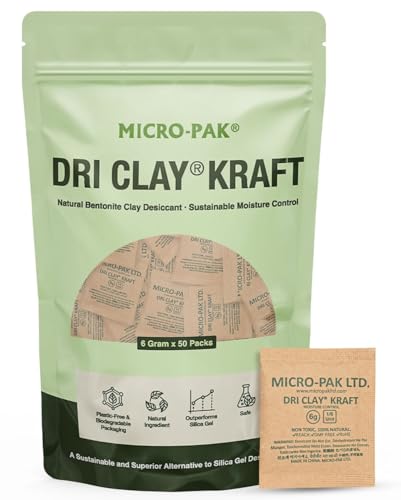
- Silica gel desiccant packs for plastic food storage containers
- Baking soda deodorizer for plastic storage containers
- Odor eliminating spray for plastic food storage containers
- Lemon essential oil deodorizer spray for plastic containers


Before You Start
Clear the containers and remove all lids and seals. Rinse with warm water to eliminate loose residues. If odors are persistent, allow containers to air dry completely before treatment. Avoid using harsh cleaners or bleach on plastic, which can damage the surface and leave residual odors. Plan for a dry or partially dry period of 2–24 hours depending on the method chosen. Consider testing any spray on a small area first to ensure compatibility with the plastic.
Step-By-Step: How To Remove Plastic Odors From Containers
- Rinse each container with warm water and mild dish soap to remove food particles, then air dry.
- Fill a container with a solution of baking soda and warm water (1/2 cup baking soda per quart) and let it sit for 4–8 hours.
- For deeper smells, place activated charcoal odor absorbers inside the container with the lid off and seal the outer box or bag for 12–24 hours, then remove the charcoal and rinse.
- Insert silica gel desiccant packs into the container to absorb moisture and odor-causing vapors; leave for 6–12 hours, then remove the packs and wipe clean.
- Lightly spray with an odor eliminating spray designed for plastic containers and let dry completely.
- Finish with a lemon essential oil deodorizer spray to impart a fresh citrus scent; apply a small amount and allow to air out.
- For stubborn odors, repeat the baking soda soak and charcoal treatment in cycles, ensuring thorough drying between steps.
- Store containers with lids off or slightly ajar during the initial airing period to encourage ventilation.
- Regularly ventilate stored containers in a dry, well-ventilated area to prevent odor buildup.
- Label treated containers to track when each method was used and to avoid mixing fragrances with actual food storage.
- When odors persist across multiple containers, consider replacing severely compromised lids or seals to restore airtight performance.
- Reintegrate cleaned containers into routine use, monitoring for any recurring smells and repeating steps as needed.
Troubleshooting
| Symptom | Likely Cause | Fix | Prevention |
|---|---|---|---|
| Odor returns after washing | Residual moisture or trapped odor molecules | Repeat baking soda soak and ensure complete drying | Air containers after each wash; store with lids slightly ajar |
| Plastic smells chemical or plastic-like | New or low-quality plastic; exposure to strong cleaners | Rinse with mild soap, then use charcoal or silica gel; avoid harsh chemicals | Choose high-quality BPA-free containers; limit exposure to strong solvents |
| Smell is faint but detectable | Minor residue from prior contents | Wipe with vinegar-water solution (1:1) and rinse; follow with baking soda treatment | Store in a ventilated area for a day after cleaning |
| Odor affects multiple containers | Environmental source or shared lids | Clean lids separately; use silica gel packs in storage area | Rotate storage locations to minimize odor buildup |
Common Mistakes
- Overusing scented sprays which can leave new fragrances behind
- Using heat to dry containers too quickly, sealing in odors
- Neglecting to dry containers thoroughly before restocking
- Relying on a single method for all odors instead of combining approaches
Tips For Best Results
- Pair baking soda with repeated airing for long-lasting results
- Place treated containers in a sunny or well-ventilated area to speed drying
- Use lemon-scented sprays sparingly to avoid overpowering citrus notes
- Rotate storage spaces to prevent odor concentration in one area
- Consider dedicated containers for strongly scented foods to minimize cross-odor transfer
Call A Professional
If odors persist after multiple cycles and thorough cleaning, consider consulting a home improvement or appliance repair professional. Stop using containers with persistent, chemical-like odors, especially if contents have a risk of spoilage or contamination. Seek expert guidance if odor-impregnated lids or seals show deformation or cracking.
FAQ
Can I use bleach to remove odors from plastic containers?
Bleach is not recommended for most plastic containers as it can degrade certain plastics and leave residues. Use milder cleaners and odor absorbers instead.
Will washing with hot water help remove odors?
Hot water can help loosen residues, but it may also warp some plastics. Combine warm water washing with baking soda or activated charcoal for best results.
Are all containers equally odor-prone?
Different plastics and seal materials vary in odor retention. Glass or metal containers with plastic lids may transfer fewer odors.
How long should I air out containers after cleaning?
Air out for several hours to a full day, especially in humid environments, to ensure complete drying and odor relief.
Buying Guide: Choosing The Right Odor-Removal Tools
When selecting products to combat smells in plastic storage containers, consider size, effectiveness, and compatibility with plastic surfaces. Look for activated charcoal products and silica gel desiccants that are specifically labeled for use with plastics. If choosing sprays, pick formulas designed for food-contact surfaces and easy cleanup. Consider the container’s size to match appropriate treatment quantities. Energy-efficient and low-chemical options are preferred for regular use. Placement matters: store treated containers in a well-ventilated area away from direct sunlight to preserve scent-neutral conditions.