Gum stains can be stubborn, but with the right approach you can remove them from both hard surfaces and fabrics without damaging the material. This guide walks through practical methods using common tools and safe solvents to restore surfaces to their pre-stain condition.
Quick Answer
Begin with cold methods to harden and lift the gum, such as a freeze spray or ice. For fabric, try adhesive remover or freeze spray, then scrub with a plastic scraper. For hard surfaces, a gum removal scraper tool or heat gun can soften and lift the gum. Always test on a hidden area first and avoid heat on delicate fabrics.
What You’ll Need
- gum removal scraper tool
- plastic scraper for chewing gum removal
- heat gun to remove chewing gum
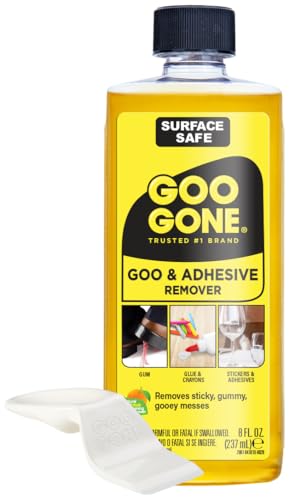
- adhesive remover for chewing gum on fabric
- freeze spray for chewing gum removal on clothing


Before You Start
Assess the surface or fabric and identify any delicate finishes. Work in a well-ventilated area and wear gloves when using chemical removers. For fabrics, test a hidden seam or corner first for colorfastness. Time estimates vary: 5–15 minutes for simple hard surfaces, 15–45 minutes for fabrics with embedded gum. Do not use heat on synthetics that may warp, or on painted surfaces that could bubble.
Step-By-Step: How To Clean Gum
- For hard surfaces, apply a cold pack or freeze spray to harden the gum for 1–2 minutes.
- Use a plastic scraper to gently lift the edge of the gum; work in small, steady motions.
- If gum remains, repeat cooling and scraping until most of the residue is removed.
- On fabrics, apply a small amount of adhesive remover to the stained area and let it sit for 2–5 minutes.
- Gently blot with a clean cloth to lift loosened gum particles; avoid rubbing to prevent spreading.
- For stubborn spots, use a plastic scraper to lift from the fabric surface after the remover has dissolved the gum.
- If using a heat gun on hard surfaces, hold at a safe distance and move steadily to soften the gum, then scrape away.
- After removal, clean the area with a mild soap solution to remove any residue.
- Rinse and air dry fabrics; check for any remaining stain and repeat if necessary.
- Dispose of used solvents according to local guidelines and ventilate the area.
- For persistent gum on upholstery, consult the fabric care label before applying any chemical.
- Finally, inspect the entire surface to ensure all gum traces are eliminated and the finish is uniform.
Troubleshooting
| Symptom | Likely Cause | Fix | Prevention |
|---|---|---|---|
| Gum reappears after cleaning | Residue left behind | Repeat removal steps and use a solvent-soaked cloth to lift lingering gum | Test solvents first; work gradually |
| Color transfer on fabric | Excess solvent or friction | Rinse immediately; use color-safe stain remover | Always test on hidden area |
| Surface scratched or dull | Excess force with scraper | Switch to lighter strokes and softer tools | Work slowly and stop if resistance increases |
| Warped fabric after heat | Excessive heat exposure | Lower heat setting or discontinue use | Avoid high heat on delicate fabrics |
Common Mistakes
- Trying to peel gum off while it is still warm; it will smear and set further.
- Using metal scrapers on delicate surfaces.
- Over-saturating fabric with solvent, causing fiber damage or staining.
- Rushing the process; patience improves effectiveness and reduces damage.
Tips For Best Results
- Always test cleaners on a hidden area first to confirm colorfastness.
- Store solvents and tools in a clean, organized area to avoid contamination.
- Work from the outside of the stain toward the center to prevent spreading.
- For clothing with printed designs, avoid harsh solvents that could fade graphics.
Call A Professional
Contact a professional if gum is deeply embedded in upholstery, carpet, or smooth surfaces with special finishes, or if a fabric is labeled to avoid solvents. Seek help immediately if you notice discoloration, fiber damage, or if you are unsure about compatibility of cleaners with the material.
FAQ
Can I use ice cubes instead of freeze spray?
Yes, place ice in a plastic bag and apply to the gum for several minutes to harden before scraping.
Will heat damage all fabrics?
No; high heat can damage synthetics and delicate fabrics. Always test first and use gentler methods on delicate items.
Is adhesive remover safe on all fabrics?
No; check the fabric care label and perform a spot test before applying.
How do I remove gum from carpet?
Use a gum removal scraper tool after chilling the gum with freeze spray, then blot with a mild detergent solution.
What should I do if color transfers?
Rinse immediately and use a color-safe stain remover designed for fabrics.
Can I reuse the same scraper on different surfaces?
Yes, but clean it thoroughly between surfaces to avoid cross-contamination.
Are there eco-friendly options?
Yes; prefer water-based cleaners and avoid solvents where possible; mechanical methods are often the safest.
Buying Guide
When choosing products for gum removal at home, consider the following factors:
- Size and maneuverability: A compact scraper tool is easy to use on tight spaces, but a larger tool can cover bigger gum areas efficiently.
- Surface compatibility: Ensure cleaners are safe for the material you’re treating, especially fabrics and upholstery.
- Effectiveness of cold methods: Freeze sprays should work quickly and not leave residue; some fabrics respond better to cold than heat.
- Heat method safety: If using a heat gun, select a low setting and maintain distance to avoid scorching; reserve heat for hard surfaces only when appropriate.
- Chemical vs. mechanical: A combination of solvent-based removers and scraping tends to be most effective; avoid over-reliance on one method.
- Drying time: Fabrics generally require air drying; plan for a stain-free area to prevent further contamination.
- Placement and storage: Keep cleaning tools together, away from children and pets, to prevent misuse.
- Environmental considerations: Choose low-VOC solvents and dispose of waste according to local regulations.
Thinking about which approach fits your home? A balanced combination of cold methods, careful scraping, and targeted cleaners usually yields the best results without harming materials. If in doubt, test on an inconspicuous spot first and consult product labels for specific instructions.