Pie spills can leave sticky messes on floors, fabrics, and appliances. This guide outlines practical steps to clean up pie stains and residues using common household tools, with a focus on safe, effective methods for American homes.
Quick Answer
Act quickly to prevent staining: blot spills, remove solid pieces, then clean with a portable vacuum for crumbs, followed by steam cleaning for hard surfaces and fabrics. For fabrics, treat stains with a dedicated fruit pie stain remover and finish with a carpet extractor for persistent spill areas.
What You’ll Need
- handheld vacuum cleaner for kitchen crumbs
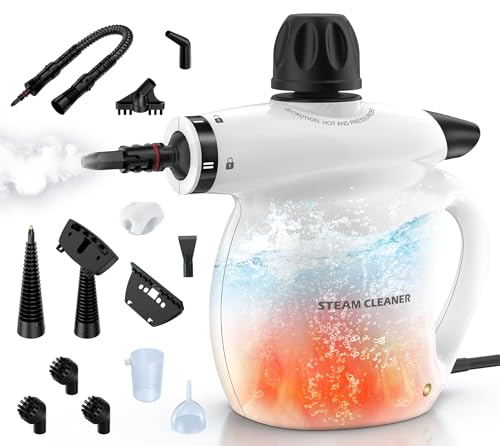
- steam cleaner for pie spill cleanup
- fruit pie stain remover for fabrics
- carpet extractor for pie spill cleanup
- garbage disposal cleaning brush


Before You Start
Clear the area and check the pie composition. Creamy fillings and fruit toppings require different approaches. Work from the outside edges toward the center to prevent spreading. Always test cleaners on a hidden area first to avoid damage. Safety caution: unplug electrical devices before cleaning nearby, and avoid using excessive moisture on delicate surfaces.
Estimated time: 15–60 minutes depending on surface and stain severity.
Step-By-Step: How To Remove Pie Spills And Stains
- Locate the spill and gently lift with a spoon or dull edge to remove any remaining solids.
- Blot the area with a dry cloth or paper towel to absorb as much moisture as possible; avoid rubbing, which can push the stain deeper.
- For hard surfaces (countertops, flooring): use the steam cleaner to loosen sugars and fats; glide the nozzle slowly over the area.
- For fabrics (tablecloths, upholstery): apply a fruit pie stain remover as directed on the label, then rinse with cool water from the back of the stain.
- For carpeted spill areas: use a carpet extractor to lift moisture and residues after applying stain remover; work in slow, even passes.
- If grease remains, reapply stain remover and repeat steam or vacuum-assisted cleaning as appropriate for the surface.
- Rinse surfaces with a clean, damp cloth to remove any cleaner residue, then blot dry.
- For disposal disposal areas (sink, disposal unit): use a garbage disposal cleaning brush to scrub the immediate area and remove lingering fragments or odors.
- Allow surfaces to dry completely; inspect for any remaining stain and repeat treatment if necessary.
- Dispose of waste and return tools to their storage after cleaning.
Troubleshooting
| Symptom | Likely Cause | Fix | Prevention |
|---|---|---|---|
| Sticky residue remains on fabric | Grease or sugar from pie | Apply fruit pie stain remover again and launder or clean with carpet extractor | Treat spills promptly; pre-treat with stain remover before washing |
| Stain spreads when cleaning | Rubbing or using water from the wrong direction | Blot from the outside in; use cooler water and back-stain technique | Blot gently; test cleaner in hidden area first |
| Discoloration on upholstery | Excess moisture or harsh cleaner | Use milder cleaner and limit moisture; allow to dry completely | Use fabric-safe cleaners and follow label directions |
| Odor after cleaning | Residual sugars and fats | Rinse thoroughly and sanitize with appropriate cleaner | Prompt cleanup to minimize odor buildup |
Common Mistakes
- Rubbing pie stains, which can embed color deeper into fabrics
- Using hot water on fresh fruit stains, which can set colors
- Over-wetting carpets or fabrics, leading to mold risk
- Neglecting to test cleaners on hidden areas first
Tips For Best Results
- Blot, don’t rub — it prevents spreading and fiber damage.
- Work from the edge of the stain toward the center for cleaner results.
- Use a steam cleaner for hard surfaces to dissolve sugars without harsh scrubbing.
- Choose a stain remover formulated for fruit-based stains to protect fabrics.
- Dry thoroughly after cleaning to prevent mildew and odors.
Call A Professional
Seek professional help if stains cover large areas, involve delicate fabrics or upholstery, or if odors persist after home cleaning. Signs to stop DIY efforts: color loss, fabric fraying, or any persistent staining after multiple cleanings.
FAQ
Can I use dish soap on pie stains?
Dish soap can help with some grease stains when diluted, but use it as a supplementary step after fabric-safe stain removers.
Is steam cleaning safe for wooden floors after pie spills?
Yes, but use a light touch and ensure the floor is sealed to avoid moisture intrusion. Follow manufacturer guidelines.
How soon should I treat a pie spill on fabric?
As soon as possible; prompt treatment reduces set-in stain risk and improves removal success.
What if the stain is on a delicate rug?
Test a small area first with a fabric-safe cleaner and consider a professional cleaning if unsure.
Buying Guide
When selecting tools for pie spill cleanup, consider size, noise, energy use, and placement. For kitchens with tight cabinets, opt for compact handheld vacuums that still offer strong suction for crumbs. Steam cleaners provide versatile cleaning for counters and floors but vary in heat output and tank capacity—choose a model with a safe heat range for your surfaces. A dedicated fruit pie stain remover helps protect fabrics from color loss, while a carpet extractor can efficiently lift moisture from carpeted spill zones. A garbage disposal cleaning brush is useful for keeping the disposal area fresh and free of pie fragments.
Key factors to compare include:
- Size and storage: Will the device fit in your utility closet or under the sink?
- Noise level: Especially important for homes with close living spaces or sleeping areas nearby.
- Energy efficiency: Look for energy-saving modes or lower power draws on steam cleaners.
- Controls and ease of use: Simple on/off controls, clear labels, and interchangeability of attachments help routine cleanup.
- Placement and reach: A lightweight handheld unit is ideal for counters and tables; consider a model with a flexible nozzle for tight spaces.
With the right tools and a structured approach, pie spills can be cleaned efficiently without damaging fabrics, carpet, or surfaces. Do you prefer a quick crumb sweep with a handheld vacuum or a thorough steam-cleaning session for more stubborn stains?