Car windows can accumulate dust, fingerprints, and stubborn streaks that reduce visibility. A clean glass surface not only improves appearance but also safety by enhancing headlight and street-light clarity. This guide outlines a practical, step-by-step approach using common car-cleaning tools to achieve a spotless finish on both the interior and exterior glass surfaces.
Quick Answer
For fast results, use a dedicated ammonia-free car window cleaner spray with a lint-free microfiber cloth. Pair the cleaner with a car windshield squeegee with microfiber sleeve for smooth, streak-free lines. Finish stubborn spots with a glass scraper razor blade for tight edges, then buff with a microfiber detailing towel. Regular maintenance prevents deep buildup and preserves clarity.
What You’ll Need
Gather these tools and supplies to cover interior and exterior cleaning, plus touch-ups as needed.
- Microfiber detailing towel for car windows
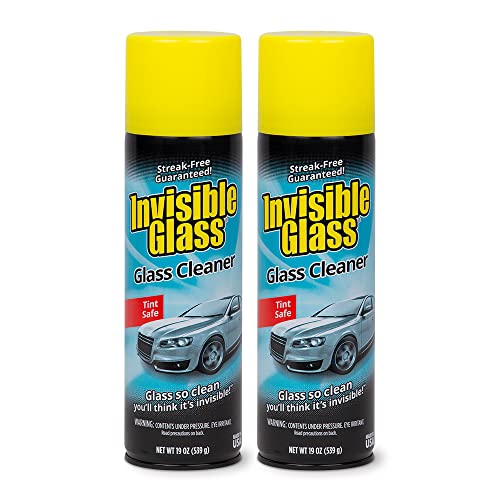
- Ammonia-free car window cleaner spray
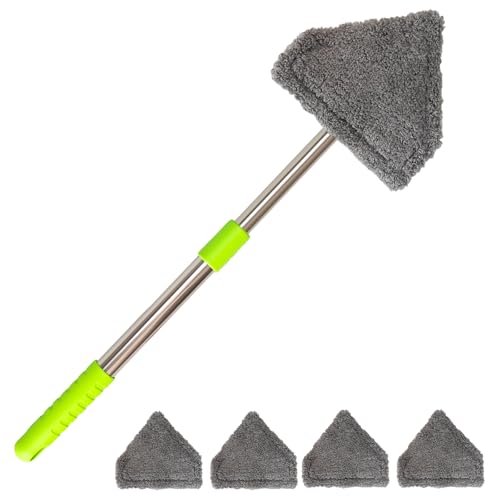
- Car windshield squeegee with microfiber sleeve
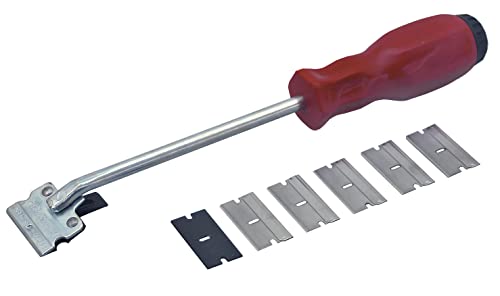
- Glass scraper razor blade for car windows
- Lint-free automotive microfiber glass cleaning cloth combo pack
Before You Start
Ensure the vehicle is parked in a shaded area and the interior is cool to the touch. Start with dry glass to reduce streaks, then move to damp cleaning for tough grime. Protect surrounding surfaces such as the dashboard and seats with a soft cloth. Time estimate: about 20–40 minutes for a full interior and exterior clean. Do not spray cleaners directly onto electronic components or exposed electrical connectors. Always test cleaners on an inconspicuous area first to verify compatibility with coatings.
Step-By-Step: How To Clean Car Windows
- Remove loose dust from exterior glass using a microfiber detailing towel to prevent scratching.
- Lightly mist the ammonia-free car window cleaner spray onto a corner of the lint-free automotive microfiber glass cleaning cloth, then wipe the exterior surface in 1–2 straight strokes from edge to edge.
- Use the car windshield squeegee with microfiber sleeve to lift liquid and residues in a consistent, horizontal pattern.
- For stubborn spots like sap or tar, employ the glass scraper razor blade for car windows at a shallow angle to avoid glazing the glass. Keep the blade flat and move slowly.
- Rotate to a fresh section of the cloth and repeat exterior cleaning to remove remaining streaks or film.
- Interior glass cleaning follows the same approach: lightly mist cleaner on a microfiber cloth, then wipe in a consistent direction. Use a dry section to buff to a shine.
- Focus on corners and edges where cleaners often pool. Use the edge of the squeegee sleeve to reach tight areas without scratching.
- Turn the cloth frequently to avoid redistributing dirt. For the inside, avoid oversaturation to prevent moisture from seeping into seals.
- Inspect the glass from multiple angles and in different lighting to spot streaks or haziness. Re-clean as needed until the surface is uniform and clear.
- Store tools properly after use to prevent cotton fibers from picking up contaminants that could transfer to glass later.
- Finish with a final pass of the lint-free cloth to ensure a crystal-clear finish on both sides of the glass.
Troubleshooting
| Symptom | Likely Cause | Fix | Prevention |
|---|---|---|---|
| Streaks after cleaning | Residue from cleaner or towel lint | Use a fresh microfiber cloth and dry thoroughly | Rinse cloths; avoid mixing cleaners |
| Cloudy or hazy look | Old coatings or wax residue | Use a dedicated glass cleaner and a clean cloth | Regularly remove wax build-up from glass surfaces |
| Scratches visible | Razor blade dust or hard particles | Use scraper only on built-up spots with caution; keep blade sharp and clean | Rinse area and wipe gently; avoid dry scraping |
| Interior fogging after cleaning | Excess moisture and humidity | Wipe dry with a lint-free cloth and ensure air circulation | Pre-clean with a dry cloth before spraying |
Common Mistakes
- Using household glass cleaners that contain ammonia on tinted or coated glass
- Cleaning in direct sunlight, causing rapid evaporation and streaks
- Over-wetting the cloth and letting liquid pool at edges
- Not changing or washing towels frequently during a cleaning session
- Neglecting the edges and corners where grime collects
Tips For Best Results
- Schedule regular cleanings to prevent heavy buildup that requires stronger scrubbing.
- Keep a dedicated set of microfiber towels for glass to avoid cross-contamination with other cleaning tasks.
- Work in a cool, shaded environment and use steady, even pressure for consistent results.
- Buff each surface with a dry microfiber cloth after wiping to maximize clarity and minimize haze.
- Store cleaning tools in a clean, dust-free container to maintain readiness for the next use.
Call A Professional
Seek professional help if the glass shows deep pitting, permanent etching, or damage to window coatings. If the windshield wipers leave persistent scratches or the glass remains visibly hazy despite multiple cleanings, a professional assessment can determine whether coatings or seals require restoration. Additionally, if variations in color or film appear after cleaning, contact a trained technician.
FAQ
What is the best cleaner for car windows?
An ammonia-free car window cleaner spray is typically gentle on tint and coatings and effective on grime.
Can I use a razor blade on tinted windows?
Yes, but proceed with caution and test on a small area; use a light touch to avoid damaging coatings.
How should I dry the glass after cleaning?
Use a lint-free automotive microfiber glass cleaning cloth combo pack for a lint-free, streak-free finish and dry in one direction.
Do I need special tools for the inside of the windshield?
Interior cleaning benefits from a microfiber detailing towel and a light mist of cleaner; avoid oversaturating the fabric.
How often should I clean car windows?
Clean exterior and interior surfaces every 1–2 months, or more often in dusty or high-grease environments.
Is it okay to use household window cleaner?
Prefer products formulated for automotive glass to protect coatings and tint.
Buying Guide
The right set of tools makes car window cleaning easier and more effective. When choosing products, consider:
- Size and coverage: Large towels cover more area; small patches benefit from precise tools like a razor and squeegee sleeve.
- Noise and ease of use: Squeegees and microfiber sleeves should glide smoothly with minimal effort and noise.
- Energy efficiency and material safety: Ammonia-free formulas reduce wear on coatings and tint, extending the life of glass finishes.
- Controls and application: Aerosol sprays vs. liquid cleaners—choose based on your comfort with mist control and streak prevention.
- Placement and storage: Keep cleaners, blades, and towels in a clean caddy within easy reach to streamline future cleans.
For most American drivers, pairing an ammonia-free spray with microfiber cloths and a dedicated squeegee delivers reliable results. If stubborn grime persists, a glass scraper razor blade can tackle edged build-up, but use with care to avoid scratches. Consider a lint-free cloth pack to ensure consistently clear windows across all surfaces. Would a complete kit be worth the investment for your vehicle and routine cleaning schedule?