Period acne is a common skin concern that fluctuates with hormonal changes. This guide explains practical, science-based steps American readers can take to minimize breakouts before, during, and after their menstrual cycle. The focus is on gentle, consistent routines and evidence-backed treatments that work with your skin’s physiology.
By aligning skincare habits with the menstrual cycle and selecting the right tools, anyone can reduce inflammation, prevent clogged pores, and support healthier skin overall. The recommendations below emphasize safety, effectiveness, and a steady routine rather than quick fixes that may irritate the skin.
Quick Answer
Key actions: maintain a gentle cleanse, apply targeted acne treatments, and use a few select tools to decongest pores and promote healing. Consistency matters: stick with a routine for several weeks to notice meaningful changes in period-related breakouts.
What You’ll Need
- Blue light LED acne therapy device
- Pore vacuum acne extractor tool
- Dermabrasion facial cleansing brush for acne
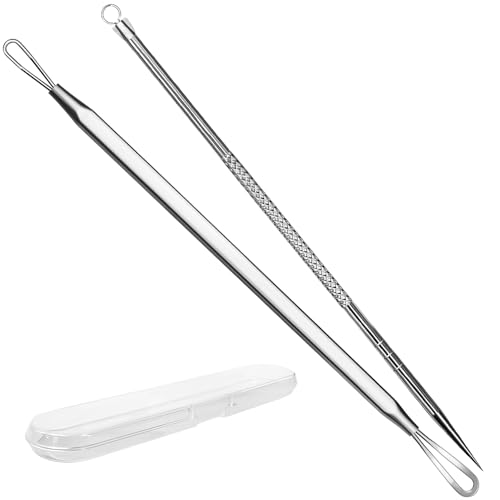
- Acne comedone extractor tool
- Derma roller for acne scars and active breakouts


Before You Start
Before beginning, assess your skin type and sensitivities. Do a patch test for any new tool or product to minimize irritation. Set realistic expectations: period acne often responds to hormonal cycles, so improvements may take several cycles to become consistent.
Surface prep is critical. Cleanse hands and face, remove makeup, and work in a clean bathroom or vanity area. Track your cycle to anticipate high-risk days for breakouts and schedule routine skin care accordingly. Do not press or pick at active cystic pimples, as this can cause scarring and infection. If you have a history of severe acne, eczema, or rosacea, consult a dermatologist before using aggressive tools.
Estimated time: 20–60 minutes per session, depending on the tools used and the skin’s response. Start with shorter sessions to build comfort and reduce irritation.
Step-By-Step: How To Get Rid Of Period Acne
- Begin with a gentle cleanse to remove oil and impurities that accumulate during the premenstrual phase.
- Apply a lightweight sunscreen during the day, even when the sun is not strong, to protect healing skin and prevent post-inflammatory hyperpigmentation.
- Use a blue light LED acne therapy device for targeted anti-inflammatory effects on active blemishes, following the manufacturer’s recommended duration.
- In the evening, perform a careful extraction of obvious comedones with the acne comedone extractor tool only if the skin is visibly ready and the pore is full; disinfect tools before and after use.
- Incorporate a dermabrasion facial cleansing brush for acne a few times per week, being sure to use a gentle pressure and avoiding active breakouts to prevent irritation.
- Apply a non-comedogenic moisturizer to maintain the skin barrier; look for ingredients like ceramides and hyaluronic acid to support healing.
- If using a derma roller for acne scars and active breakouts, proceed with caution: use a fine gauge and avoid irritated skin; sanitize tools and follow up with a soothing serum.
- Monitor skin response over several cycles; reduce frequency if redness, flaking, or stinging increases, and consult a dermatologist if issues persist.
Troubleshooting
| Symptom | Likely Cause | Fix | Prevention |
|---|---|---|---|
| Increased redness after using a tool | Overstimulation or improper technique | Pause use for 1–2 days; adjust pressure; reseat technique | Follow manufacturer guidelines; start with lower intensity |
| New whiteheads after cleansing | Over-cleansing or stripping the skin | Switch to a mild cleanser; reduce frequency | Keep moisture barrier intact; avoid harsh scrubs |
| Persistent clogged pores around chin/jaw | Hormonal fluctuations commonly | Consistent routine; consider targeted spot treatments | Maintain regular exfoliation but avoid overdoing it |
| Allergic-like reaction to a product | Sensitivity to fragrance or additives | Discontinue product; try fragrance-free alternatives | Patch test new products |
Common Mistakes
- Over-exfoliating or using multiple active acids simultaneously
- Picking or squeezing pimples, especially during the premenstrual phase
- Relying on a single tool as a cure-all instead of a balanced routine
- Skipping hydration and sun protection, which can worsen irritation and hyperpigmentation
Tips For Best Results
Consistency is key. Align routines with the menstrual cycle, emphasizing gentle care in the days leading up to and during a flare. Use tools as supplements, not substitutes for a steady skincare routine. Choose products and tools that match your skin’s sensitivity, and avoid forcing results too quickly. Regularly sanitize tools to prevent bacterial transfer and reduce the risk of new breakouts. Consider a barrier-supporting routine with ceramides and humectants to maintain skin resilience during hormonal shifts.
Call A Professional
Seek professional help if period acne worsens or leaves persistent scars. Stop using devices if you experience severe irritation, swelling, or signs of infection such as pus, warmth, or fever. Consult a dermatologist if you have deep, painful nodules, extensive cystic acne, or if over-the-counter approaches do not yield improvements after a few months. A professional can assess hormonal contributors, review medications, and discuss prescription options or in-office procedures as appropriate.
FAQ
Is period acne really caused by hormones?
Yes. Hormonal changes around the menstrual cycle can increase oil production and inflammation, leading to breakouts.
Can blue light therapy help period acne?
Blue light therapy can reduce inflammation and kill acne-causing bacteria, often complementing topical treatments.
How often should I use a dermabrasion brush during a cycle?
Start with 1–2 times per week and adjust based on skin tolerance; avoid aggressive use on active breakouts.
Are home tools safe for beginners?
Yes, when used according to manufacturer guidance, patch-tested, and with gentle pressure; avoid forcing extractions.
What ingredients help period acne?
Non-comedogenic moisturizers, salicylic acid in reasonable concentrations, and niacinamide can support clarity without over-irritating the skin.
Should I avoid all oils during period acne?
Not all oils are bad; opt for light, non-comedogenic options and focus on barrier support to prevent dryness and irritation.
When should I see a dermatologist for period acne?
If acne is severe, cystic, scarring, or unresponsive to 12 weeks of consistent therapy, seek professional evaluation.
Buying Guide
Choosing the right tools and products for period acne involves considering size, noise, energy efficiency, controls, and placement in the bathroom or vanity. Size matters for storage and travel; compact devices can fit neatly into a skincare drawer. Noise level is a practical factor for morning routines or shared living spaces; look for quiet operation. Energy efficiency helps with long-term use and battery life for cordless devices. Controls should be intuitive, with clear battery indicators and adjustable intensity or speed. Placement should be convenient but safe, away from water and where accidental drops won’t cause damage.
When evaluating options, consider how each tool aligns with your routine. A blue light LED device offers targeted therapy, while a pore vacuum can help unclog pores if used carefully. A dermabrasion brush, comedone extractor, and derma roller each serve different roles and should be integrated prudently into a routine. Review the included instructions and safety warnings, and choose products with reputable brand support and clear sanitation guidelines.
Practical purchase considerations include compatibility with your skin tone and sensitivity, the number of available modes, replaceable heads, and the ability to clean and sterilize components. For many users, a starter kit that combines a gentle cleansing brush with a single light-therapy device provides a simple, effective path to clearer skin during hormonal fluctuations.